

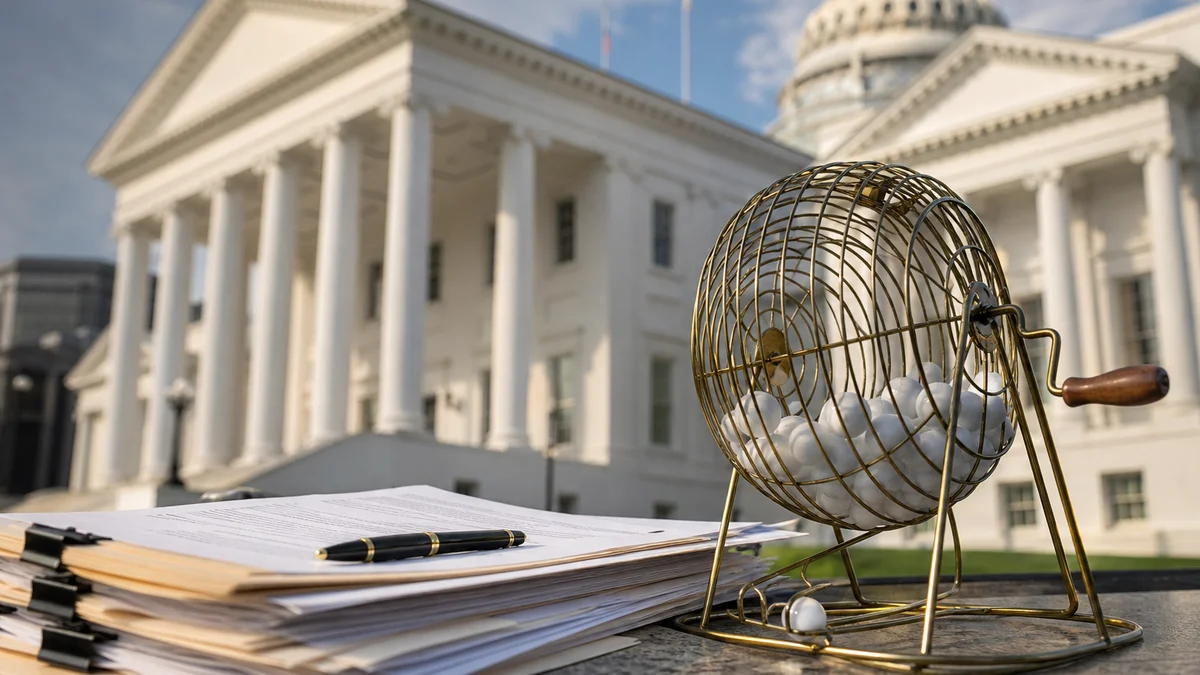
Virginia's Cannabis Control Authority released draft regulations for the state's adult-use market that include a lottery system for 350 retail licenses and strict cultivation limits for different operator tiers.
The proposed rules outline a tiered licensing structure with specific plant count restrictions. Micro-cultivators would be capped at 1,000 plants, standard cultivators at 10,000 plants, and large-scale operations at 50,000 plants. The authority aims to balance market access for small operators while allowing larger businesses to scale production.
Application Process and Fees
The lottery system represents a departure from merit-based licensing approaches used in other states. Applicants will pay non-refundable fees ranging from $5,000 to $50,000 depending on license type. The authority has not yet specified whether social equity applicants will receive preferential treatment in the lottery or fee reductions.
Retail licenses will be distributed across the state's health service areas to prevent market concentration in urban centers. Each health service area will receive a proportional allocation of the 350 total retail licenses based on population.
The draft regulations also establish operational requirements for testing, packaging, and advertising. All cannabis products must undergo testing for potency, pesticides, and contaminants at independent laboratories. Packaging must include child-resistant features and warning labels, while advertising restrictions mirror those in alcohol regulations.
Industry Concerns
Virginia delayed its adult-use market launch multiple times since voters approved legalization. The state initially targeted a 2024 opening but pushed back the timeline as regulators worked through policy details.
Some industry observers question whether 350 retail licenses will meet consumer demand in a state with nearly 9 million residents. Colorado, with a smaller population, currently has over 500 active retail licenses. But Virginia regulators argue the initial cap allows for controlled market growth and prevents oversaturation.
The cultivation limits have drawn mixed reactions from prospective operators. Small-scale growers appreciate the micro-cultivator tier, which lowers barriers to entry. Yet some worry that 1,000 plants won't generate sufficient revenue to sustain a business given Virginia's regulatory costs.
Timeline and Next Steps
The Cannabis Control Authority will accept public comments on the draft regulations through a 60-day comment period. After reviewing feedback, the authority plans to finalize rules and open the application window in late 2024.
License holders must secure local approval before beginning operations, adding another layer of complexity to the timeline. Some Virginia municipalities have already signaled they will opt out of allowing cannabis businesses, which could limit where the 350 retail licenses ultimately operate.
The state legislature may still modify aspects of the regulatory framework during its next session. Lawmakers have debated provisions around home cultivation limits and expungement of prior cannabis convictions, though these issues fall outside the authority's current rulemaking process.
Virginia joins a growing number of states building adult-use markets from scratch rather than converting existing medical programs. The lottery approach and cultivation caps reflect an attempt to avoid the supply gluts and price crashes that plagued early markets in Oregon and Oklahoma.
This article is based on original reporting by mjbizdaily.com.