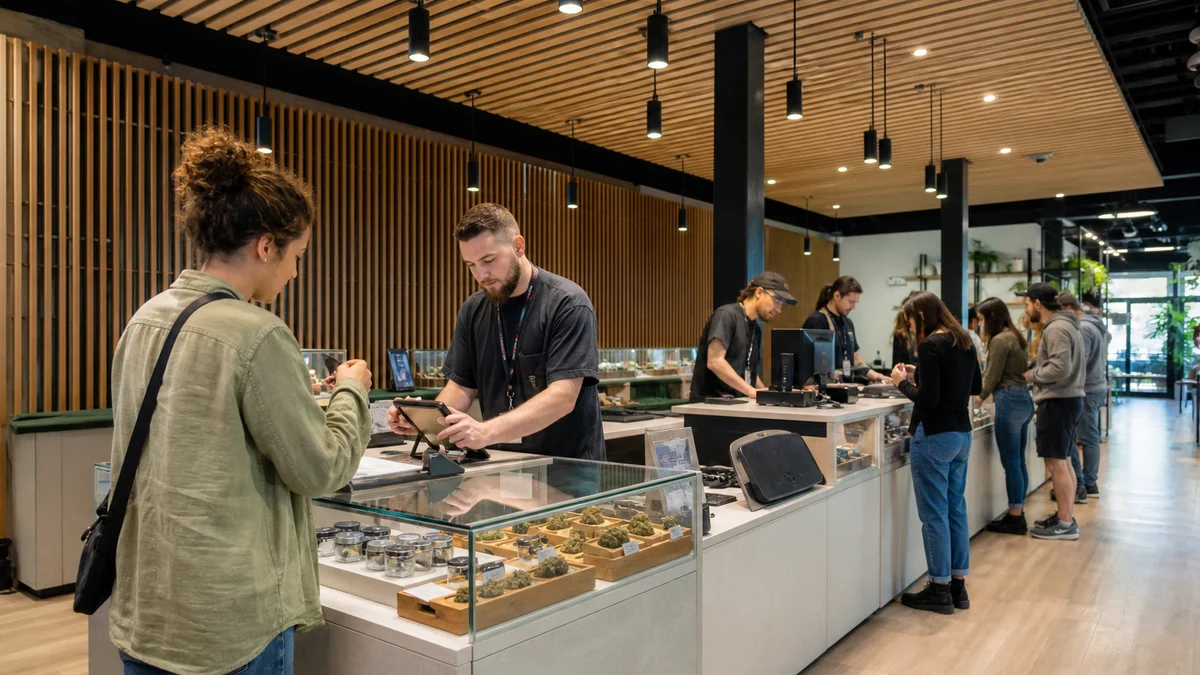

Employees at Key Cannabis Dispensary in Springfield, Missouri have ratified their first collective bargaining agreement, securing immediate wage increases, expanded paid time off, and new job security protections.
The contract marks the latest victory in a growing wave of cannabis industry unionization efforts across Missouri. "We already got our raises. Our [personal time off] is taking effect. Bonuses have been handed out…and job security is in place," workers reported following the agreement's ratification nearly a month ago.
The Springfield dispensary becomes another addition to Missouri's expanding roster of unionized cannabis operations, joining a trend that has accelerated since the state's adult-use market launched in February 2023. Workers in the cannabis industry have increasingly turned to collective bargaining to address concerns about workplace safety, inconsistent scheduling, and wage stagnation in a market that generated over $1 billion in sales last year.
The Contract Details
While specific wage increase percentages were not disclosed, the agreement includes immediate salary adjustments that took effect upon ratification. The contract also expands personal time off provisions and establishes a bonus structure for employees.
Job security protections represent a key component of the deal, addressing worker concerns about arbitrary terminations and unstable employment conditions that have plagued parts of the industry. These protections typically include defined disciplinary procedures and requirements for just cause in termination decisions.
Missouri's Union Movement
Missouri's cannabis workforce has emerged as one of the more active in terms of labor organizing compared to other adult-use states. The state's cannabis industry employs thousands of workers across cultivation facilities, processing operations, and retail dispensaries.
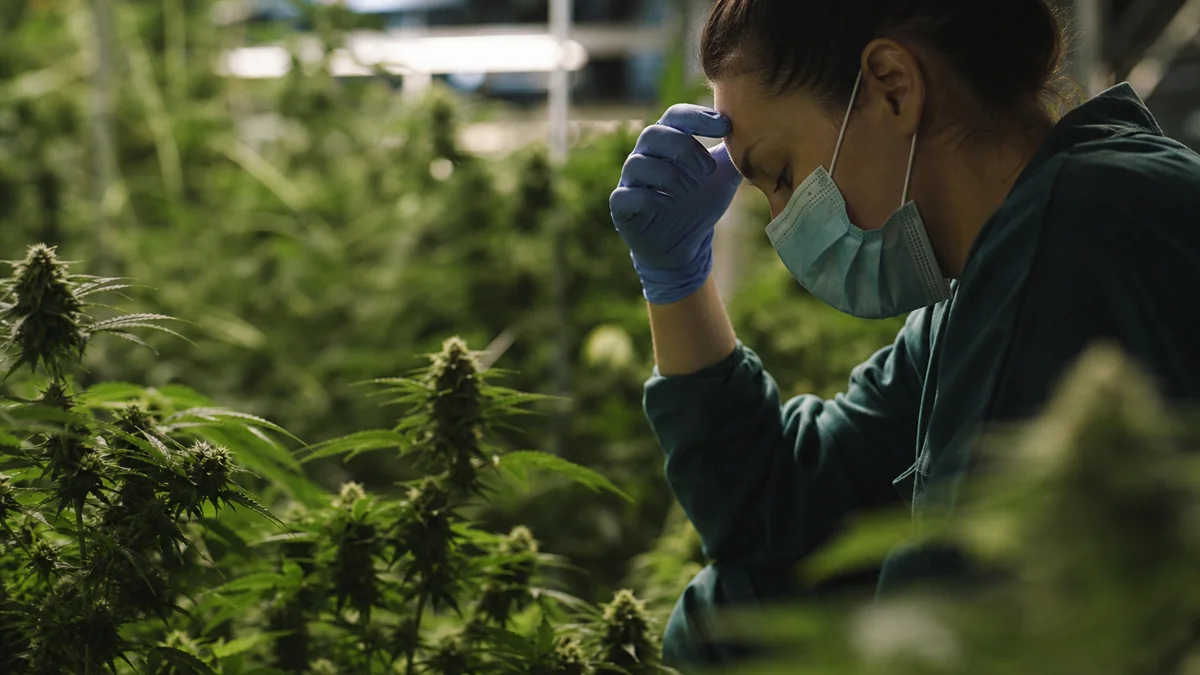
The Key Cannabis agreement follows similar successful organizing efforts at other Missouri marijuana businesses, though the industry still remains largely non-union nationwide. Workers have cited the physically demanding nature of cultivation work, exposure to chemicals and pesticides, and the lack of traditional employment benefits as primary motivations for seeking union representation.
Unlike many traditional industries, cannabis workers face unique challenges in organizing. Federal prohibition means they cannot access protections under the National Labor Relations Act in the same way as workers in federally legal industries, though state labor laws still apply.
What's Next
The successful ratification at Key Cannabis could encourage organizing efforts at other Missouri dispensaries and cultivation facilities. Labor organizers have noted that successful contracts with tangible benefits serve as powerful recruitment tools for union drives at non-union shops.
Missouri's adult-use market continues to expand, with new license applications still being processed by state regulators. As the industry matures and competition increases, labor costs and workplace conditions are likely to remain flashpoints between workers and operators.
The cannabis industry's labor dynamics differ significantly from state to state, with some markets like Illinois seeing widespread unionization while others remain largely non-union. Missouri appears to be trending toward the former category as more workers successfully negotiate collective bargaining agreements.
This article is based on original reporting by www.marijuanamoment.net.