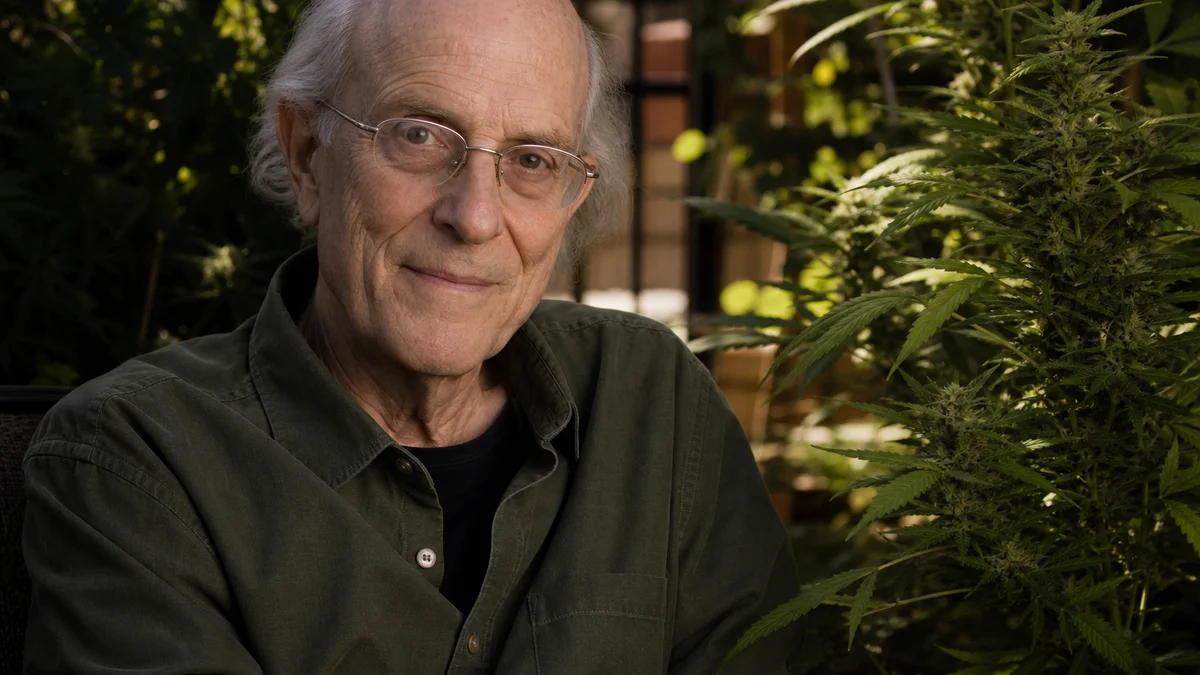


Scott Spolverino spent decades mastering the art of tasting—first tea, then whisky, and finally cannabis. But it wasn't ambition that drove him from one craft to the next. It was his body shutting down.
The flavor professional's career trajectory reads like a roadmap of adaptation. Each time chronic illness forced him out of one industry, he found his way to another that still valued his palate. His latest landing spot is cannabis, where terpene profiles and strain characteristics now occupy the same mental space once reserved for single malts and oolong varietals.
"People think I'm just chasing the next trend," Spolverino said in a recent interview. "But really, I'm just trying to stay alive and do what I love."
The Progression
Spolverino started as a tea sommelier, developing an acute sensitivity to subtle flavor notes that most people miss entirely. When health complications made that work impossible, he pivoted to whisky, where his trained palate found new application in distinguishing barrel finishes and aging processes.
Then his health deteriorated again. The alcohol industry, with its late nights and constant sampling, became untenable. Cannabis offered something different—a substance he could evaluate without the physical toll of alcohol, in an industry just beginning to develop its own language of connoisseurship.
The timing worked. As legalization spread across North America, dispensaries and cultivators needed people who could articulate what made one strain different from another beyond vague descriptions of "dank" or "fire."
Building a Cannabis Vocabulary
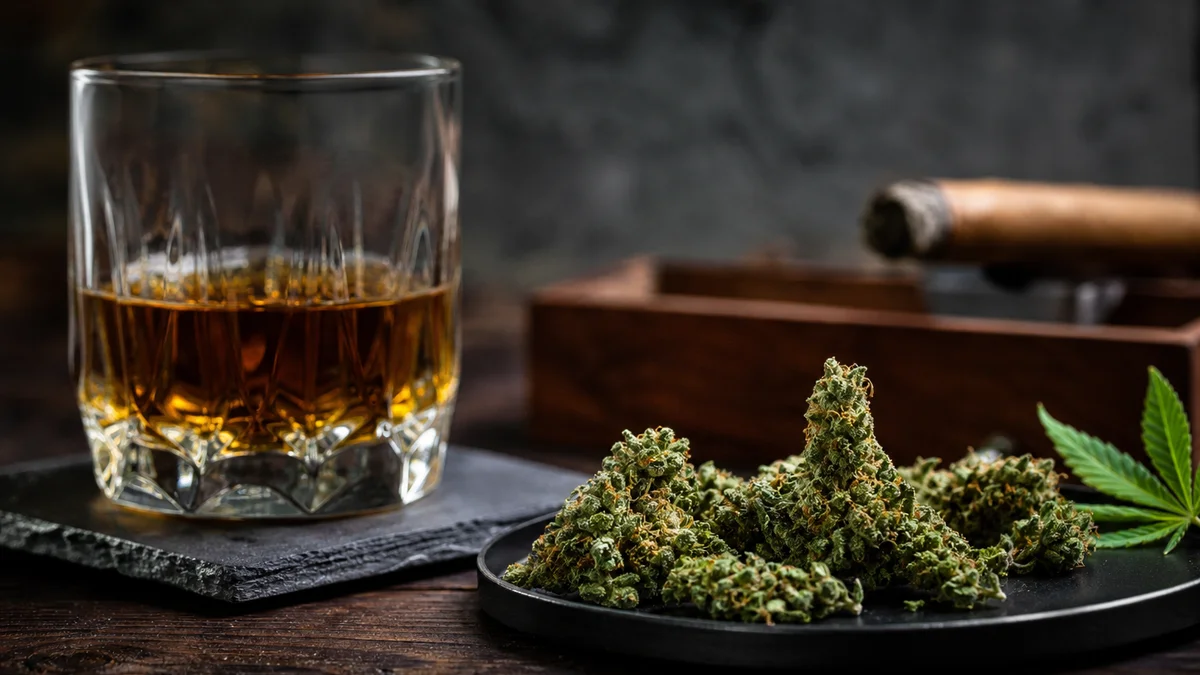
The cannabis industry has borrowed heavily from wine and spirits culture in recent years. Terms like "nose," "finish," and "terroir" now appear in dispensary marketing materials. Terpene profiles get discussed with the same seriousness as grape varietals.
Spolverino brings formal training to this developing framework. His background in tea and whisky gives him a vocabulary that the cannabis space is still constructing. He can distinguish between myrcene-dominant strains and pinene-forward cultivars the way he once separated peated Islay scotches from smooth Speysides.
But he's also had to unlearn some habits. Cannabis evaluation requires different protocols than alcohol or tea. The consumption methods vary wildly—flower, concentrates, edibles, tinctures. Each delivery system changes how terpenes and cannabinoids interact with the palate.
The Medical Connection
What makes Spolverino's story resonate beyond personal narrative is how it reflects broader industry trends. Many cannabis professionals came to the plant through medical need, not recreational interest. The industry's legitimacy grew partly because seriously ill people found relief and then became advocates, educators, and entrepreneurs.
His experience also highlights cannabis's unique position as both medicine and lifestyle product. He evaluates strains for their flavor profiles like a sommelier, but he also uses them to manage the chronic conditions that ended his previous careers. That dual purpose—therapeutic and sensory—remains one of cannabis's distinguishing features.
What This Means for Consumers
As cannabis markets mature, more professionals from adjacent industries are bringing their expertise to the space. Former wine buyers work as dispensary procurement managers. Craft beer brewers launch cannabis beverage lines. Michelin-trained chefs develop edible products.
This cross-pollination elevates the entire industry. When someone with formal flavor training evaluates a strain, consumers get more useful information than generic descriptions. Spolverino's work helps bridge the gap between cannabis culture's traditional language and the more formalized terminology that mainstream consumers expect.
The medical cannabis market alone is projected to reach $28.6 billion by 2028, according to industry analysts. Much of that growth depends on convincing newcomers that cannabis products meet professional quality standards. People like Spolverino, who can speak both languages—medical and culinary, traditional and contemporary—become invaluable translators.
Looking Ahead
Spolverino's journey isn't finished. He's currently developing a cannabis tasting certification program, modeled on the structured courses that exist for wine and spirits. The goal is to create a standardized framework for evaluating cannabis that goes beyond subjective preferences.
Whether the cannabis industry will embrace formal certification remains unclear. The plant's counterculture roots sometimes clash with wine-world pretensions. But as legal markets expand and competition intensifies, professional evaluation standards become more valuable. Consumers want guidance, and retailers need ways to differentiate products beyond THC percentages.
For now, Spolverino keeps tasting. His health still dictates the parameters of his work, but cannabis has given him a way to practice his craft on his own terms. And in an industry still defining itself, that kind of specialized knowledge finds ready application.
This article is based on original reporting by hightimes.com.