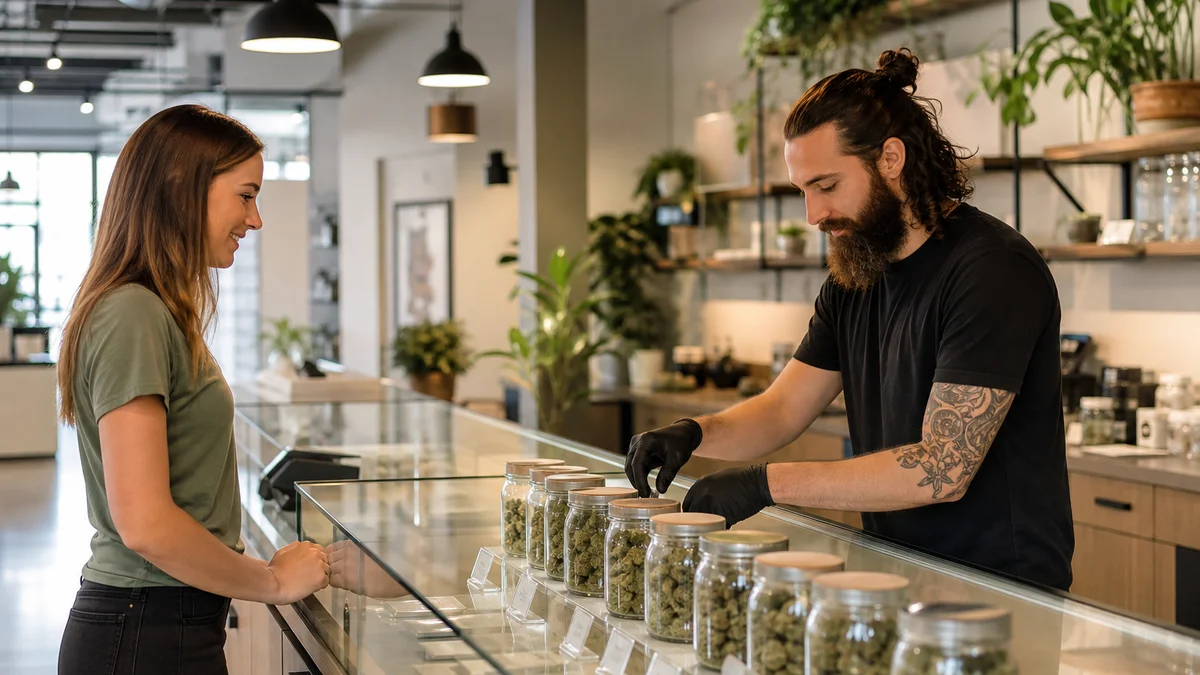
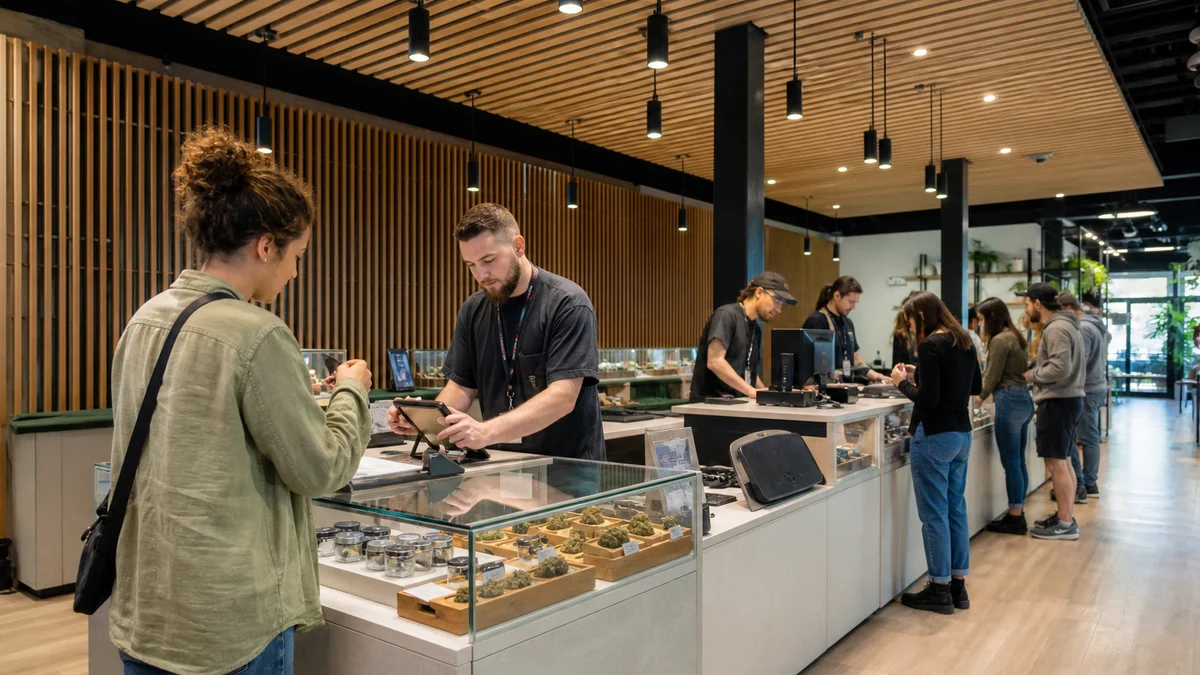
Hemp retailers and suppliers in Oregon say upcoming federal regulatory changes will force many of them to close their doors, cutting off consumer access to popular CBD products for pets and everyday wellness.
"The CBD products that people are expecting to be available to give to their dogs for arthritis or to give to their parents because they're aging and have aches…they're not going to have access to them anymore," a retailer told the Oregon Capital Chronicle.
Pet tinctures and topicals currently rank as the top-selling items at Oregon hemp shops, which have proliferated since the 2018 Farm Bill federally legalized hemp-derived CBD. But new federal guidelines—still being finalized—could reclassify many of these products or impose manufacturing requirements that small operators can't meet.
The Regulatory Squeeze
The regulatory uncertainty comes as the FDA continues to delay clear rules for CBD in food and supplements, nearly six years after hemp legalization. Meanwhile, the DEA has signaled potential changes to how it classifies certain hemp derivatives, leaving retailers caught between state-legal operations and shifting federal interpretations.
Oregon's hemp industry has already weathered significant challenges. The state's hemp acreage dropped from a peak of 63,000 acres in 2019 to just 8,100 acres in 2022, according to state agriculture data. Retailers now face another contraction as federal agencies circle back to products they've allowed to exist in a gray area for years.
Small business owners say they've invested thousands in inventory, licensing, and compliance based on current rules. A sudden shift could render that stock unsellable overnight.
What's at Stake
Beyond pet products, Oregon retailers stock CBD topicals for pain relief, tinctures for anxiety and sleep, and wellness items that have become staples for consumers seeking alternatives to pharmaceuticals. The market serves an older demographic particularly—people managing chronic conditions who've found relief in low-dose CBD.
The potential shutdown has implications beyond Oregon. Hemp businesses nationwide face similar regulatory whiplash as federal agencies attempt to rein in an industry that grew faster than regulators anticipated. Some states have already moved to restrict certain hemp products, particularly intoxicating cannabinoids like delta-8 THC, but Oregon's CBD market has remained relatively stable until now.
Industry advocates argue the federal government needs to provide clear, consistent rules rather than piecemeal enforcement that leaves businesses guessing. Without that clarity, they say, the legal hemp market will shrink while unregulated products continue to circulate online.
What Happens Next
The timeline for federal rule changes remains unclear. The FDA has repeatedly punted on CBD regulations, most recently in January when the agency said it still needs more data on safety and dosing. The DEA has not announced specific dates for any hemp-related policy shifts.
Oregon retailers say they're preparing for worst-case scenarios while hoping federal agencies will grandfather in existing products or provide transition periods for compliance. But with no official guidance, many are simply waiting—and watching their customer base grow increasingly anxious about product availability.
For now, CBD products remain on Oregon shelves. How much longer that lasts depends on federal decisions that could reshape an industry built on the promise of legal hemp.
This article is based on original reporting by www.marijuanamoment.net.