A former cannabis cultivator who became ill from pesticide exposure is calling for the agriculture industry to adopt the same rigorous testing standards that many legal cannabis markets now require.
The worker's experience highlights a stark contrast: while most cannabis states mandate comprehensive pesticide testing before products reach consumers, conventional agriculture operates under far less stringent oversight. Food crops can contain pesticide residues that would fail cannabis compliance testing.
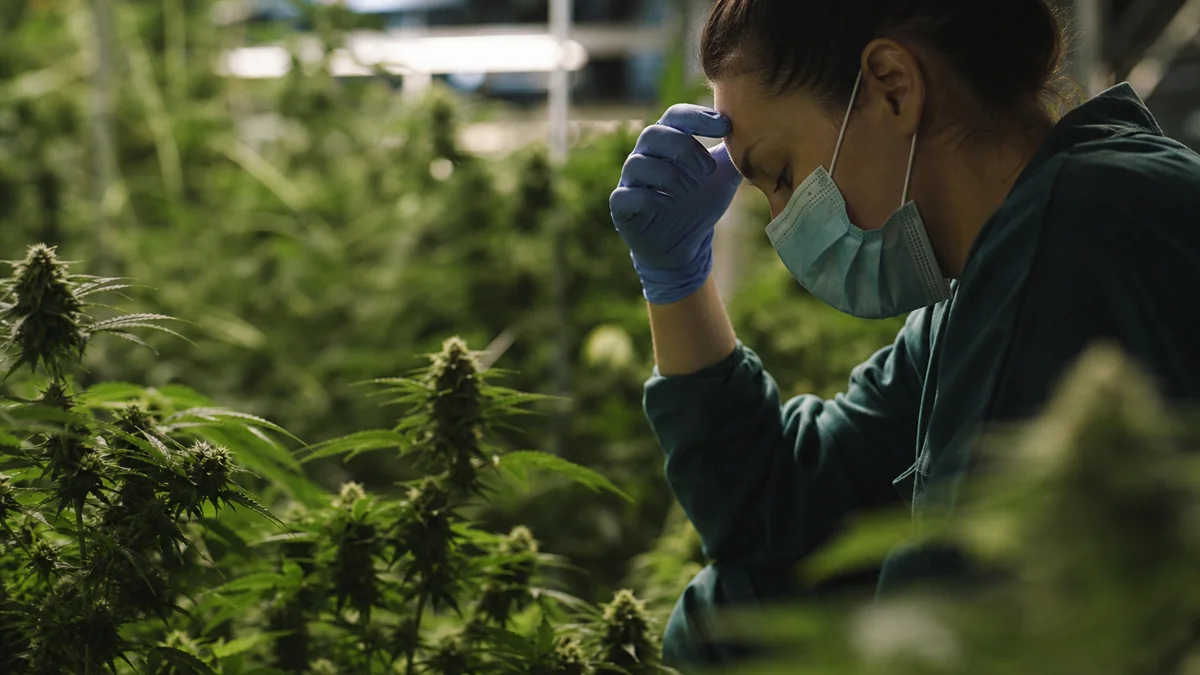
"What we're seeing in cannabis is actually what food safety should look like," said the former cultivator, who developed respiratory issues after applying pesticides in a cultivation facility. The illness forced a career change but sparked advocacy for broader agricultural reform.
Testing Gap Between Cannabis and Food
Cannabas regulations in states like California, Colorado, and Michigan require testing for dozens of pesticide compounds at detection limits measured in parts per billion. Products that exceed these thresholds cannot be sold.
Conventional produce faces no such point-of-sale testing. The EPA sets maximum residue limits for pesticides on food crops, but enforcement relies primarily on voluntary compliance and occasional spot checks by the FDA. A 2022 USDA survey found detectable pesticide residues on roughly 40% of produce samples, though most remained below EPA limits.
The cannabis industry's testing infrastructure emerged from necessity. Early medical programs faced contamination scandals that threatened consumer safety and market legitimacy. States responded with mandatory testing that now costs cultivators $500 to $2,000 per harvest batch.
Health Costs for Farm Workers
The National Institute for Occupational Safety and Health estimates 10,000 to 20,000 agricultural workers experience pesticide poisoning annually. Actual numbers likely run higher, as many cases go unreported among immigrant and seasonal workers.
Cannabis cultivation presents unique risks. Indoor growing concentrates pesticide applications in enclosed spaces with inadequate ventilation. Workers spend hours in these environments during cultivation, harvest, and processing.
"The symptoms started subtle—headaches, nausea—but got worse over months," the former cultivator explained. Medical tests eventually confirmed organophosphate exposure, a class of pesticides that affects the nervous system.
Several cannabis states now require protective equipment and training for workers applying pesticides. Oregon mandates respirators and chemical-resistant gloves for certain compounds. California requires pesticide handler certifications.
Industry Pushback and Costs
Agricultural industry groups argue that cannabis-style testing would impose unsustainable costs on food production. Testing every lettuce harvest or apple crop would require massive infrastructure expansion.
But cannabis operators note that testing costs have dropped as the industry matured. Laboratory competition and improved technology reduced per-test prices by 30% to 50% in established markets over the past five years.
Some organic farming advocates see cannabis testing as a model. "If we can verify cannabis is pesticide-free before sale, why not strawberries or spinach?" asked one food safety researcher. "The technology exists."
What Comes Next
No state legislatures have proposed extending cannabis testing requirements to conventional agriculture. The regulatory and economic barriers remain substantial.
But the cannabis industry's experience demonstrates that comprehensive pesticide testing is technically feasible at commercial scale. As legal cannabis expands to more states, the contrast with food agriculture becomes harder to justify.
For the former cultivator, the issue is personal. "I chose to work with a plant I believed in. I didn't sign up to get poisoned doing it. And people eating their dinner shouldn't either."
Cannabis testing requirements will likely influence future food safety debates, even if immediate regulatory changes remain unlikely. The industry has proven that rigorous safety standards can coexist with profitable production—a lesson that extends beyond cannabis.
This article is based on original reporting by hightimes.com.