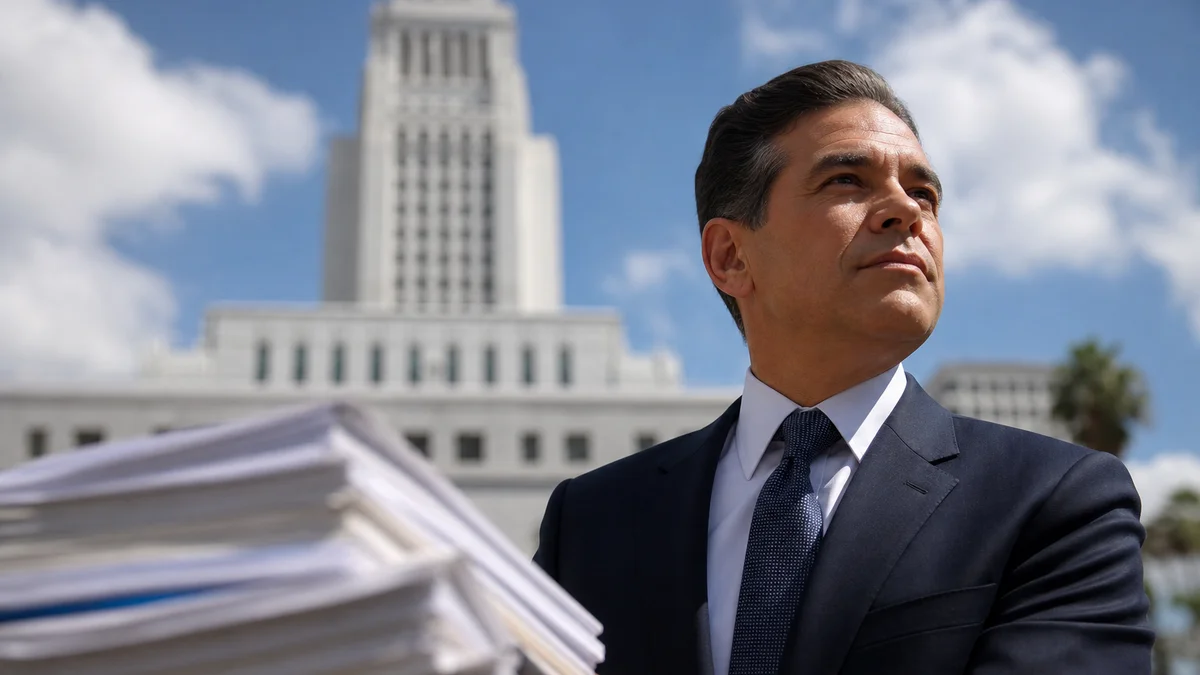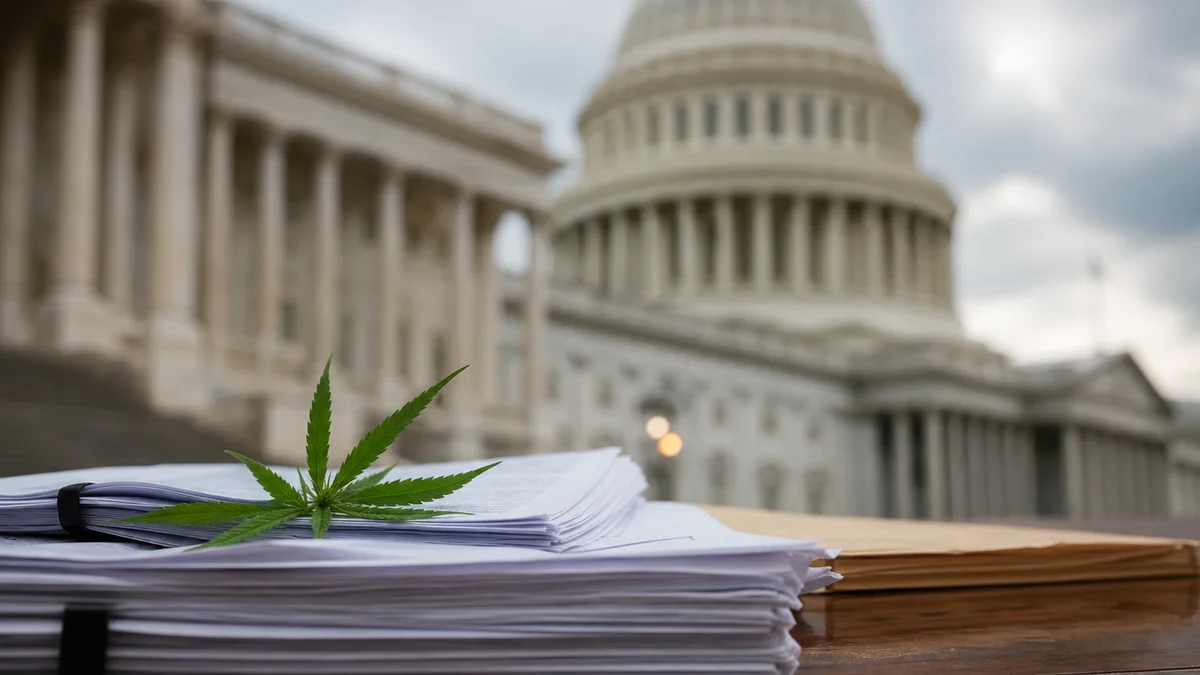
The federal cannabis rescheduling hearing has been put on hold while DEA Chief Administrative Law Judge Derek Julius reviews whether to admit a Government Accountability Office report examining the agency's scheduling procedures.
Julius issued the stay on September 29, halting what was expected to be a contentious administrative hearing on moving cannabis from Schedule I to Schedule III. The pause came after three opponents of rescheduling requested the judge consider the GAO report as evidence.
The report analyzed 84 controlled substance scheduling decisions where both the DEA and Department of Health and Human Services reached final determinations. In every single case, the DEA aligned with HHS recommendations. The study makes no specific findings about cannabis.
Who Gets a Seat at the Table
The three parties that requested the stay are among a small group of outside participants the DEA allowed into the hearing process. All three oppose moving cannabis to Schedule III, raising questions about balance in the proceeding.
The GAO report's relevance centers on a key question in the rescheduling debate: how much weight should DEA give to HHS scientific recommendations? Last year, HHS recommended rescheduling cannabis based on a Food and Drug Administration review that found accepted medical use and lower abuse potential than Schedule I or II substances.
Critics of the current process argue the DEA has historically deferred to HHS on scientific matters. The GAO data appears to support that pattern, showing 100% alignment in final decisions over the study period.
The Paperwork Question
The stay relates to procedural concerns about how the GAO report was introduced. While the exact nature of the "missing paperwork" cited in initial reports remains unclear, administrative law proceedings have strict rules about evidence admission and timing.
Julius must now decide whether the report meets standards for inclusion in the hearing record. That determination could take weeks or months, extending an already lengthy process that began when the Biden administration initiated the rescheduling review in 2022.
The DEA received over 43,000 public comments on the proposed rule to move cannabis to Schedule III. But the agency limited formal hearing participation to a handful of parties, drawing criticism from industry groups and reform advocates who wanted a voice in the process.
What This Means for Timeline
The stay adds fresh uncertainty to a rescheduling timeline that has already stretched far longer than many expected. The DEA initially planned to complete the process by late 2024, but the hearing delay makes that target increasingly unrealistic.
Schedule III classification would maintain federal prohibition but ease certain restrictions. Cannabis businesses could claim standard tax deductions under Section 280E, potentially saving the industry billions. Research barriers would lower somewhat, though not disappear entirely.
But rescheduling would not resolve the conflict between federal prohibition and state-legal markets. Cannabis would remain a controlled substance, and interstate commerce would stay illegal.
Industry analysts are watching for any signal about when the hearing might resume. The administrative process requires public notice before proceedings restart, meaning at minimum several weeks' delay from whenever Julius issues his ruling on the GAO report.
The judge has not indicated a timeline for his decision on evidence admission.
This article is based on original reporting by hightimes.com.