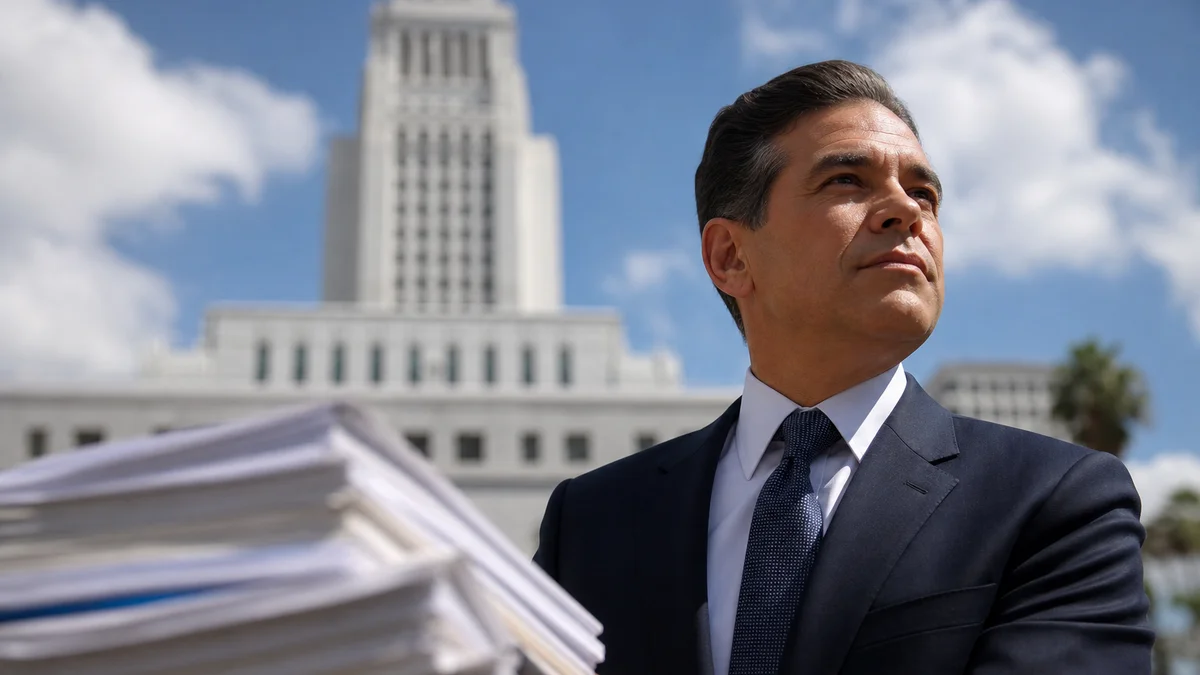
Los Angeles City Councilmember Nithya Raman, currently leading in polls for the city's mayoral race, has released a comprehensive plan to restructure what she calls the "broken" cannabis market in the nation's largest city.
The proposal comes as Los Angeles continues to struggle with illegal dispensaries that outnumber licensed retailers by an estimated 3-to-1 ratio. The city issued approximately 400 retail licenses since legalizing adult-use sales in 2018, but enforcement officials estimate more than 1,200 unlicensed shops operate openly across LA's 500 square miles.
Raman's platform marks the first detailed cannabis policy proposal from any major candidate in the race. The city's market generates an estimated $1 billion in annual sales, making it the largest municipal cannabis economy in the United States. Yet licensed operators have repeatedly complained that lax enforcement against illegal competitors makes profitability nearly impossible.
The Enforcement Gap
LA's Department of Cannabis Regulation has faced criticism for years over its inability to shut down unlicensed operations. Many illegal shops reopen within days of raids, often at the same location. Licensed retailers pay hundreds of thousands in taxes and regulatory fees while unlicensed competitors operate with minimal oversight.
The city's cannabis tax revenue has fallen short of projections since legalization. Officials initially forecast $50 million annually, but collections have hovered around $35 million as the illicit market continues to thrive.
Raman's proposal would increase funding for enforcement teams and streamline the process for shutting down illegal operators. The plan also calls for reducing barriers to entry for licensed businesses, though specific details on fee reductions or expedited permitting were not immediately available.
Industry Response
Licensed retailers have long argued that LA's regulatory framework favors illegal operators through weak enforcement. Many shops in underserved neighborhoods struggle to compete with unlicensed stores that avoid the city's 10% gross receipts tax on top of state taxes.
The Social Equity Program, designed to help communities impacted by cannabis prohibition enter the legal market, has also faced implementation challenges. Of the roughly 100 social equity licenses issued, many recipients have struggled to secure financing or find compliant real estate.
Raman's platform addresses these concerns but stops short of proposing specific tax rate changes. California's combined state and local cannabis taxes can exceed 35% in some jurisdictions, a rate industry advocates say drives consumers to the illicit market.
What's Next
The mayoral election is scheduled for November 2025. Raman faces several challengers, though recent polling shows her with a significant lead among likely voters.
If elected, implementation of any cannabis market reforms would require City Council approval. The council has historically moved slowly on cannabis issues, taking more than two years to establish the initial licensing framework after state legalization in 2016.
Licensed operators are watching closely. The United Cannabis Business Association, which represents LA retailers, has not yet endorsed a candidate but has made enforcement against illegal shops its top policy priority.
The outcome could set a precedent for other major California cities wrestling with similar challenges. San Francisco, San Diego, and Sacramento all face their own versions of LA's enforcement struggles, with illegal operators continuing to operate despite state and local crackdowns.
This article is based on original reporting by mjbizdaily.com.