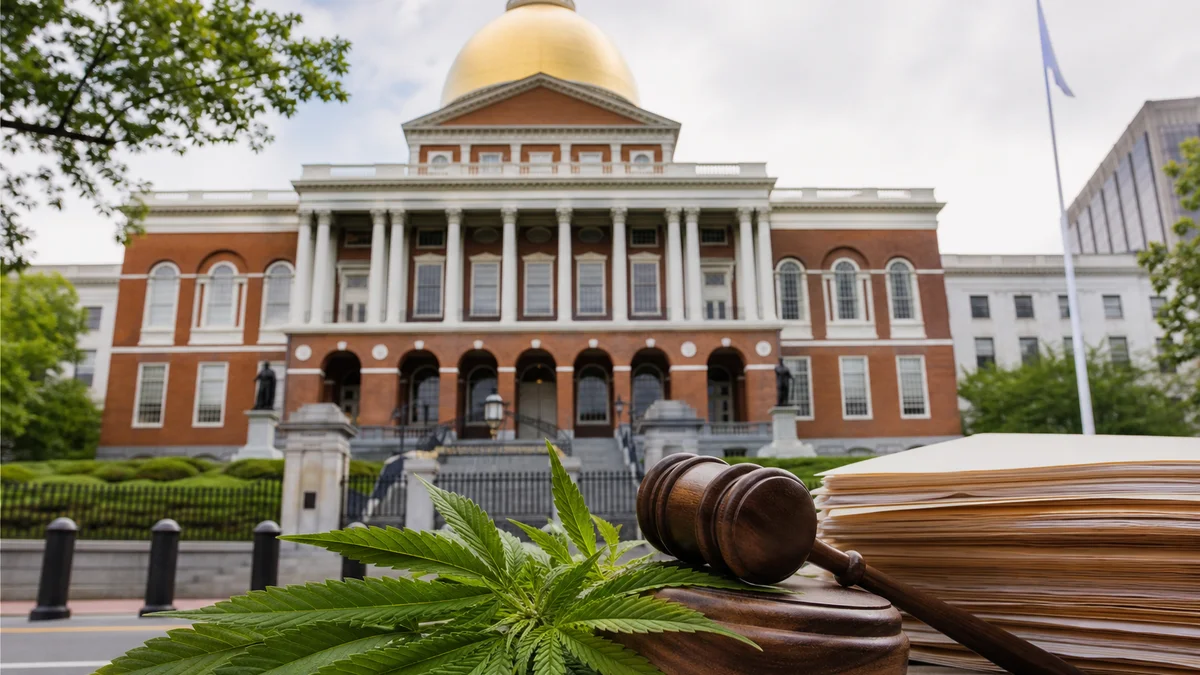


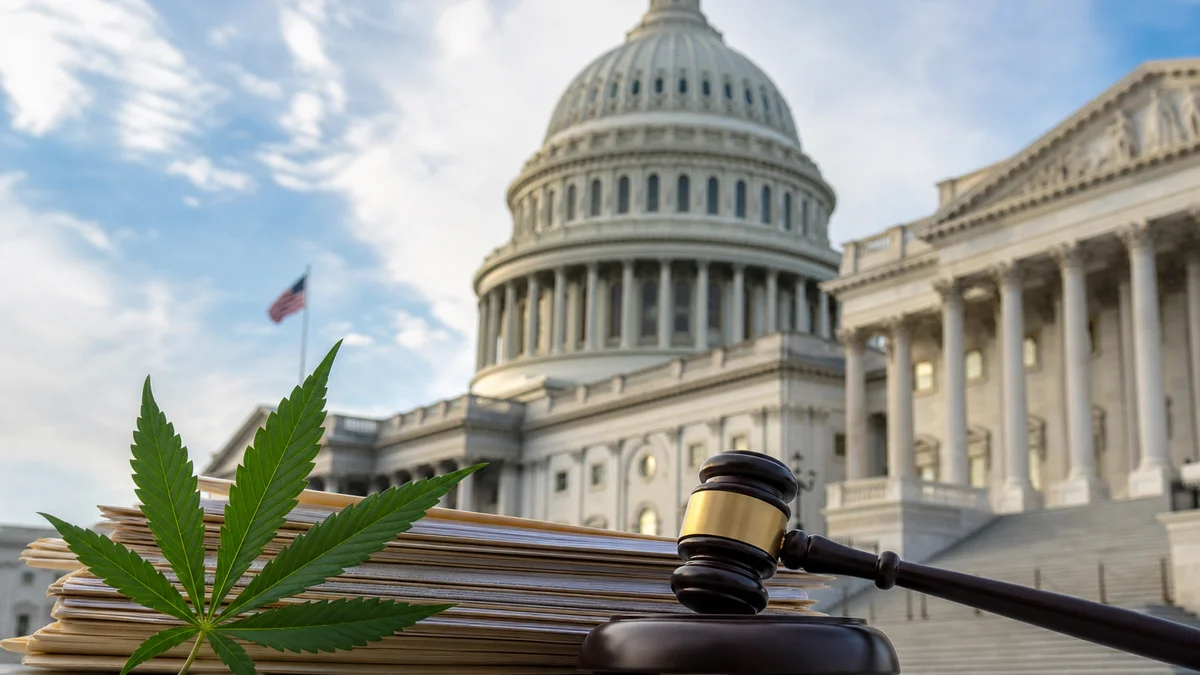
President Trump signed an executive order on December 18 directing federal agencies to increase medical marijuana and cannabidiol research, a move that acknowledges what the industry has argued for decades: cannabis has legitimate therapeutic applications.
The directive, titled "Increasing Medical Marijuana and Cannabidiol Research," marks a sharp reversal from the federal government's longstanding position that marijuana lacks accepted medical use—the very definition that kept it locked in Schedule I of the Controlled Substances Act alongside heroin.
For 53 years, federal drug policy maintained this classification despite mounting evidence from state medical programs and international research. Twenty-four states had already legalized medical cannabis by 2015, creating a widening gap between federal rhetoric and state-level reality. Today, 38 states have medical programs serving millions of patients.
The Research Roadblock
Federal restrictions on cannabis research have long frustrated scientists and physicians. Researchers seeking to study marijuana's medical potential faced bureaucratic hurdles that didn't exist for other Schedule I substances. The DEA maintained a monopoly on legal cannabis cultivation for research through a single facility at the University of Mississippi, limiting both the quality and variety of available samples.
The industry has watched competitors in Israel, Canada, and Europe pull ahead in cannabinoid research while American scientists navigated approval processes that could take years. Some researchers abandoned their studies entirely rather than wade through the regulatory maze.
"The federal government's position was never about science," said one cannabis industry analyst who requested anonymity. "It was about maintaining a policy framework that predated modern understanding of cannabinoid therapeutics."
Policy Meets Reality
Trump's order arrives as the medical cannabis market approaches $15 billion in annual sales. Patients use marijuana to manage conditions ranging from chronic pain to epilepsy to chemotherapy side effects—applications that state regulators have recognized for years while federal agencies looked the other way.
The pharmaceutical industry has also entered the space. Epidiolex, a CBD-based epilepsy medication, received FDA approval in 2018, creating an awkward reality: the agency approved a drug derived from a plant it officially considered to have no medical value.
This contradiction extended to insurance coverage, banking access, and tax treatment. Cannabis businesses operating legally under state law faced effective tax rates above 70% because federal law barred them from normal business deductions.
What the Order Changes
The executive directive instructs the Department of Health and Human Services and other agencies to streamline research applications and expand the variety of cannabis available for study. It also calls for removing bureaucratic barriers that have slowed clinical trials.
But the order stops short of rescheduling marijuana or addressing the fundamental conflict between federal prohibition and state legalization. Researchers will still need DEA approval. Cannabis will remain a controlled substance. The banking and tax issues that plague the industry stay in place.
Some industry observers see the move as political positioning rather than substantive reform. Trump campaigned on criminal justice reform and has signaled openness to cannabis policy changes, but his administration has sent mixed signals on enforcement priorities.
What's Next
The real test will be implementation. Federal agencies have six months to report back on how they'll carry out the order's directives. Past promises to ease research restrictions have foundered on interagency disagreements and DEA resistance.
Meanwhile, the broader rescheduling debate continues. The DEA has been reviewing marijuana's Schedule I status since 2023, with industry groups pushing for Schedule III classification that would acknowledge medical use and ease some restrictions. That process remains pending.
For now, the executive order represents an admission—albeit a limited one—that federal marijuana policy has been disconnected from reality for half a century. Whether it leads to meaningful change or remains symbolic depends on what happens when researchers actually try to conduct studies under the new framework.
This article is based on original reporting by www.lewrockwell.com.