

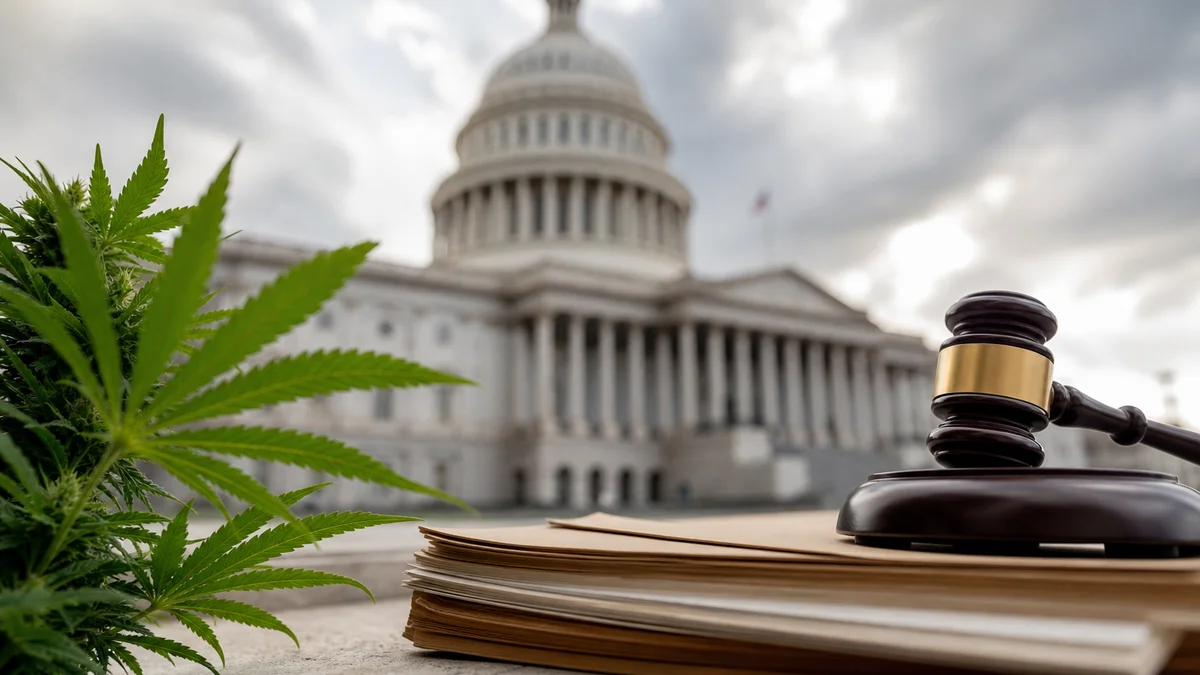
A federal appeals court has denied a motion to halt the Trump administration's cannabis rescheduling process, allowing the Drug Enforcement Administration to continue moving marijuana from Schedule I to Schedule III while legal challenges play out.
The U.S. Court of Appeals ruled that petitioners—a drug testing industry association and a pharmaceutical company—failed to meet the "stringent requirements for a stay pending court review." The decision means the rescheduling process can proceed even as opponents challenge the reform in court.
The petitioners had argued the rescheduling should be frozen until their lawsuit is resolved. But the court found insufficient grounds to pause what would be the most significant shift in federal marijuana policy in over 50 years.
Who's Fighting Rescheduling
The opposition comes from an unlikely coalition with financial stakes in current prohibition. The drug testing industry stands to lose revenue if marijuana moves to Schedule III, as workplace testing protocols would likely change. Federal contractors and safety-sensitive industries currently conduct widespread cannabis testing under Schedule I restrictions.
The pharmaceutical company involved in the challenge has not been named in available court documents, but pharma interests have historically opposed cannabis reform. Schedule III status would make it easier for researchers to study marijuana and potentially develop competing products.
The numbers tell the story: The drug testing industry generates roughly $5 billion annually, with marijuana screening comprising a significant portion. A Schedule III classification wouldn't eliminate testing entirely, but it would shift the legal framework and potentially reduce demand.
The Rescheduling Timeline
The DEA initiated the rescheduling process following a recommendation from the Department of Health and Human Services, which conducted a scientific review concluding marijuana has accepted medical use and lower abuse potential than Schedule I drugs like heroin. The Trump administration has signaled support for completing the process, though the timeline remains uncertain.
Rescheduling would maintain federal prohibition but allow cannabis businesses to take standard tax deductions under Section 280E of the tax code—a change that could save the industry hundreds of millions annually. Yet it stops short of full legalization, which advocates say is necessary for meaningful reform.
Market watchers note the court's decision removes a potential roadblock but doesn't guarantee rescheduling will happen. The DEA must still complete its administrative process, which includes a public comment period and final rule publication.
Industry Response
Cannabis industry groups have largely welcomed the court's decision, viewing it as momentum toward reform. But some advocates argue Schedule III doesn't go far enough, as marijuana would remain federally controlled and subject to DEA oversight.
The opposition's legal strategy isn't over. The underlying lawsuit challenging rescheduling continues, and other parties could file additional motions or appeals. But without a stay, the DEA faces no court-ordered pause in its work.
For now, cannabis companies are watching the Federal Register for the next procedural step. The industry has waited decades for federal movement on rescheduling—a few more months of legal wrangling won't change the trajectory, but it will test patience in a sector accustomed to regulatory delays.
This article is based on original reporting by www.marijuanamoment.net.

