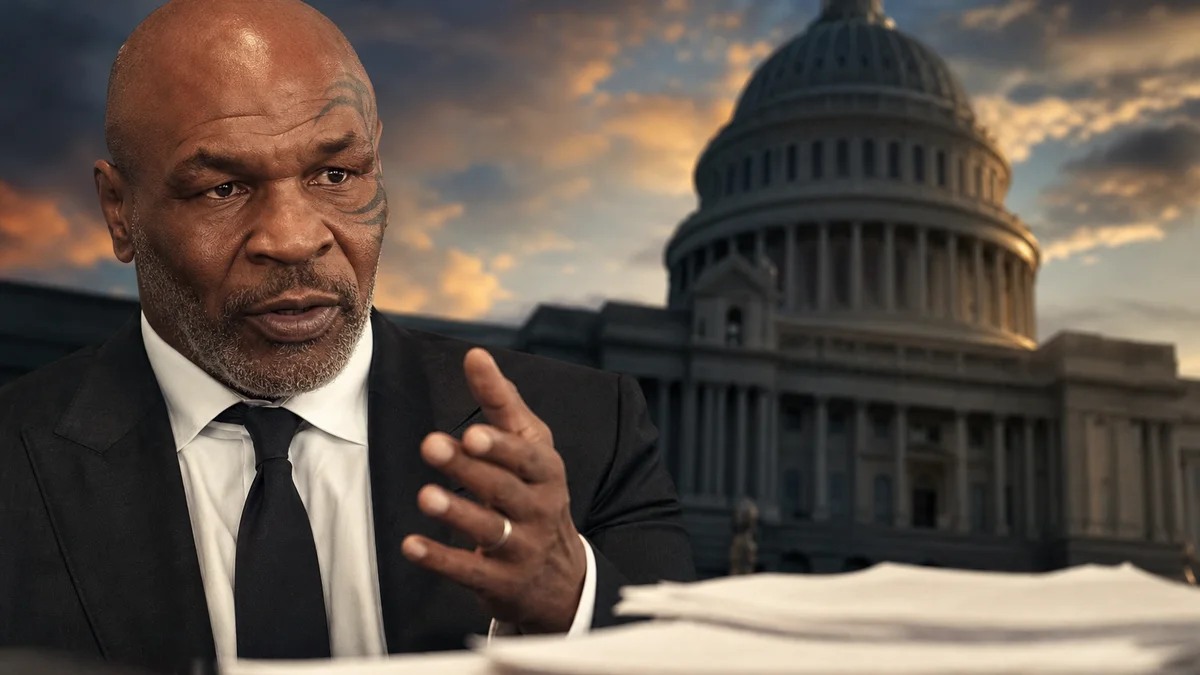
Mike Tyson publicly thanked President Donald Trump last week for granting clemency to two people serving federal sentences for marijuana offenses, while pushing for additional releases of nonviolent cannabis prisoners.
"No one should lose decades of their life for nonviolent cannabis offenses," Tyson told Marijuana Moment, framing the two pardons as a positive but insufficient step toward addressing what advocates view as a broader injustice.
The former heavyweight champion has become an increasingly vocal advocate for cannabis reform since launching his own cannabis brand, Tyson 2.0, in 2021. His ranch in Southern California previously hosted a cannabis cultivation and product development operation.
The Clemency Actions
Trump's pardons last week freed two individuals who were incarcerated on federal marijuana charges. The White House has not released detailed information about the specific cases or sentences involved.
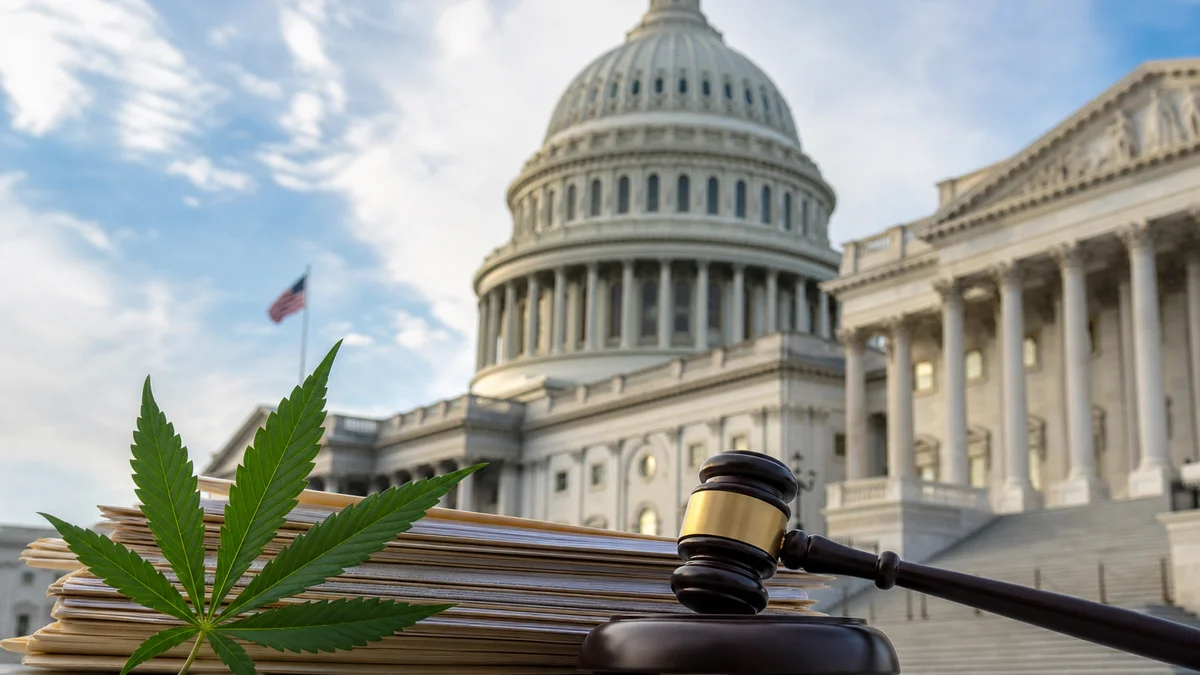
The clemency decisions come as the cannabis industry continues to operate in a legal gray area, with businesses licensed at the state level while marijuana remains a Schedule I controlled substance under federal law. That classification puts it in the same category as heroin, despite 38 states now allowing medical cannabis and 24 permitting adult-use sales.
Tyson's comments reflect growing pressure on the administration from industry leaders and reform advocates who argue that people should not remain imprisoned for conduct that is now legal and generating billions in tax revenue in many states.
Industry Pressure Mounts
The Last Prisoner Project, a nonprofit focused on cannabis criminal justice reform, estimates that hundreds of people remain in federal custody on marijuana-related charges. Thousands more are serving sentences in state prisons, though presidential pardons only apply to federal convictions.
"We've got a thriving legal industry while people sit in prison for the same plant," said one industry executive who requested anonymity. "It's a contradiction that becomes harder to justify every quarter."
Cannabis sales in the U.S. reached $30 billion in 2023, with projections showing continued growth even as the industry faces challenges including banking restrictions and high effective tax rates under Section 280E of the tax code.
What Comes Next
Tyson did not specify whether he has communicated directly with the Trump administration about additional pardons or commutations. The former president granted clemency to several cannabis offenders during his first term, though advocates argued those actions fell short of what was needed.
The Drug Enforcement Administration is currently reviewing a recommendation from the Department of Health and Human Services to reclassify marijuana as a Schedule III substance. That change would not automatically free anyone from prison but could influence future sentencing and pardon decisions.
Reform advocates point to President Biden's 2022 pardon of simple federal marijuana possession as a template, though that action affected relatively few people since most possession cases are prosecuted at the state level. Advocates want to see clemency extended to people convicted of cultivation and distribution charges.
Tyson's public statement adds celebrity weight to the clemency push at a time when the cannabis industry is seeking regulatory clarity and expanded banking access. Whether his advocacy translates into additional presidential action remains uncertain, but it keeps the issue in the public conversation as the administration shapes its cannabis policy approach.
This article is based on original reporting by www.marijuanamoment.net.