
Seventeen percent of Americans now smoke cannabis, matching the highest rate ever recorded by Gallup polling, according to new data released Monday. The figure equals the previous peak set in 2023, signaling sustained normalization of marijuana use despite varying state-level legal frameworks.
The 2024 data had shown a dip to 13%, but the latest 2025 results climbed back to 14% before the current survey registered the 17% figure. The fluctuation reflects ongoing shifts in consumer behavior as more states implement adult-use programs and medical access expands.
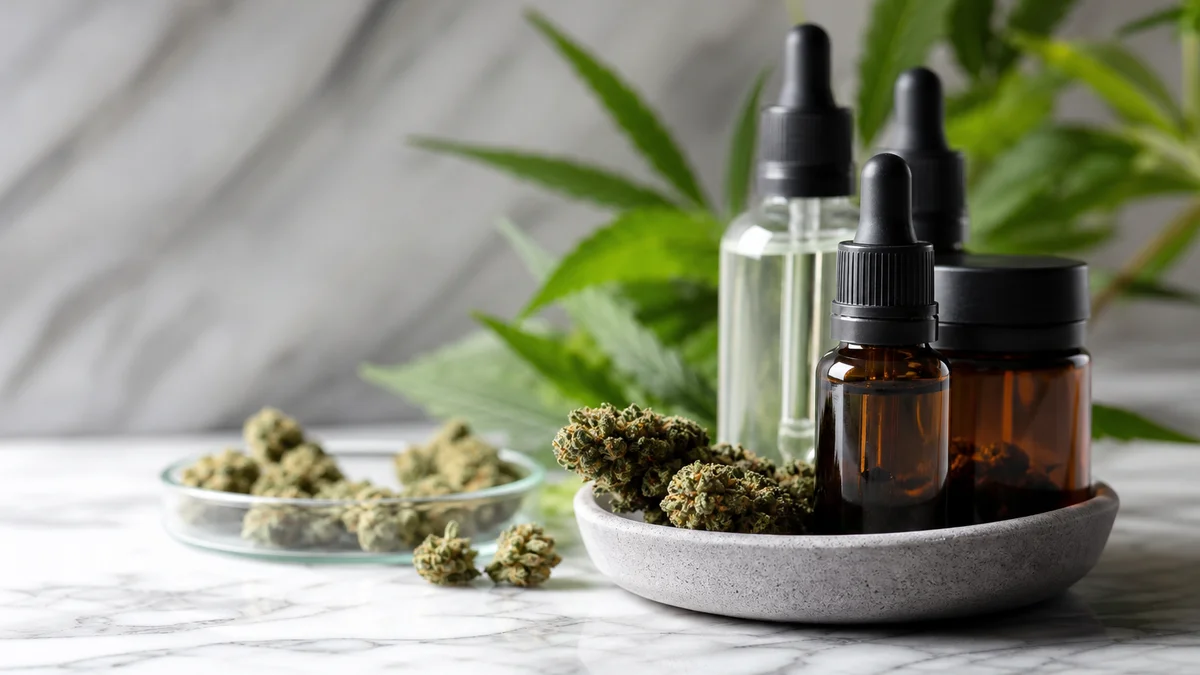
Edibles are closing the gap with traditional smoking methods. Fifteen percent of respondents said they consume cannabis-infused products like gummies, chocolates, and beverages. Among those who use edibles, 17% reported regular consumption, suggesting a dedicated user base that prefers smoke-free alternatives.
The Demographic Shift
The polling data arrives as the cannabis industry faces a critical juncture. More than half of U.S. states now permit adult-use cannabis, and federal rescheduling discussions continue to reshape regulatory expectations. The consumer base has evolved from a niche market to a mainstream demographic that spans age groups and income levels.
Edibles represent a particularly notable trend. Product innovation has exploded in legal markets, with manufacturers developing precise dosing, appealing flavors, and discreet packaging that attracts consumers who might avoid smoking. The 15% edibles figure suggests these products have moved beyond novelty status to become a legitimate consumption category.
Gallup has tracked cannabis use since the 1960s, providing one of the longest-running data sets on American drug consumption patterns. The pollster's methodology captures self-reported use, which historically underrepresents actual consumption due to social stigma. That the numbers continue to rise even in surveys suggests real-world use rates may be higher.
Market Implications
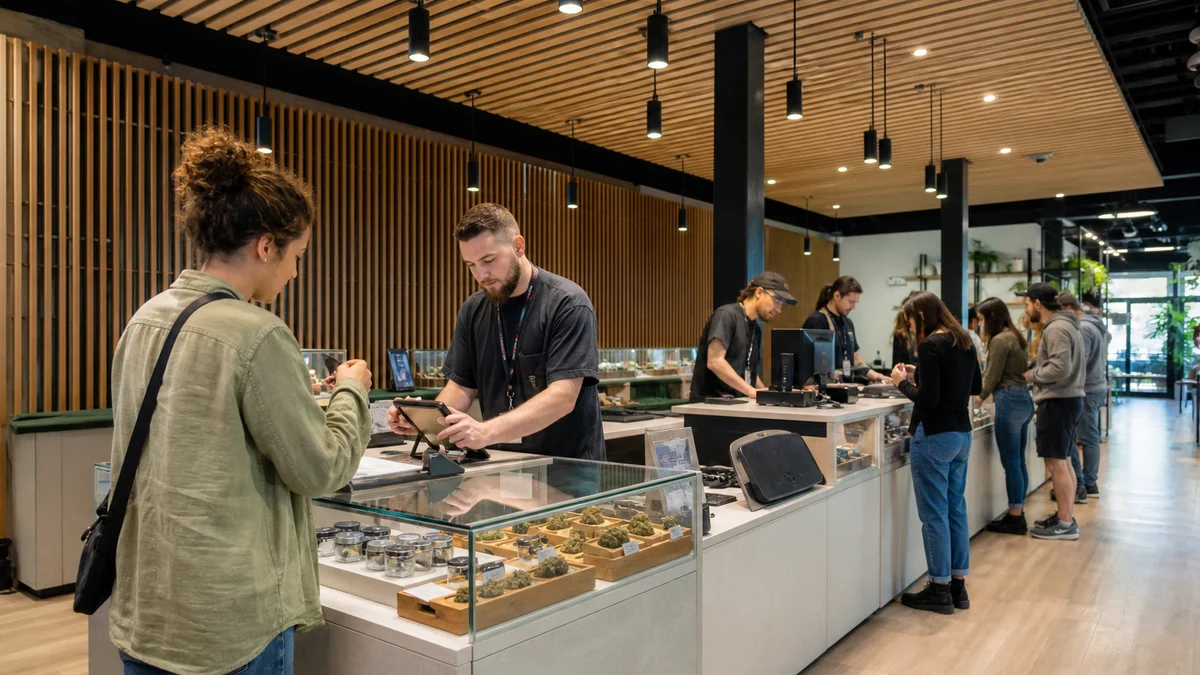
For cannabis businesses, the polling validates investment in product diversification. Companies that manufacture both flower and edibles are positioned to capture different segments of the growing consumer base. The data also supports retail strategies that emphasize education about consumption methods, particularly for newer users who may prefer edibles over smoking.
The steady rise in cannabis use has implications for workplace policies, drug testing protocols, and public health messaging. Employers in legal states increasingly face questions about testing for THC, particularly as medical patients and recreational users become a larger portion of the workforce.
Insurance companies and healthcare providers are also watching consumption trends. As use becomes more common, questions about coverage for cannabis-related medical treatments and how to account for cannabis use in health assessments will require policy updates.
What's Next
Gallup typically conducts its cannabis polling annually, meaning the next data point will likely arrive in early 2026. Industry observers will watch whether the 17% figure represents a new plateau or if consumption rates continue to climb as more states consider legalization measures.
Several states have cannabis initiatives on upcoming ballots, and federal rescheduling remains under consideration. Either development could shift consumption patterns further, particularly if rescheduling reduces banking restrictions and allows for broader retail expansion.
The polling suggests cannabis has achieved a level of social acceptance that would have seemed unlikely even a decade ago. Whether that translates into federal policy changes remains uncertain, but the consumer base is clearly established and growing.
This article is based on original reporting by ganjapreneur.com.