
A New Jersey cannabis brand is betting that consumers care more about consistent experiences than sky-high THC percentages. Good Times has rolled out a product line built around cannabinoid ratios rather than total potency—a sharp departure from the industry's ongoing race to the top of the milligram count.
The company's approach centers on transparency in formulation. Instead of leading with "50mg THC" or "100mg" labels, Good Times packages highlight the relationship between cannabinoids. A 2:1 CBD-to-THC ratio, for example, tells consumers more about the expected effect than a standalone potency number.
"The industry has trained people to look at one number," said a Good Times representative in materials reviewed by High Times. "But that number doesn't tell you if you're going to feel relaxed, energized, or creative."
The Ratio Strategy
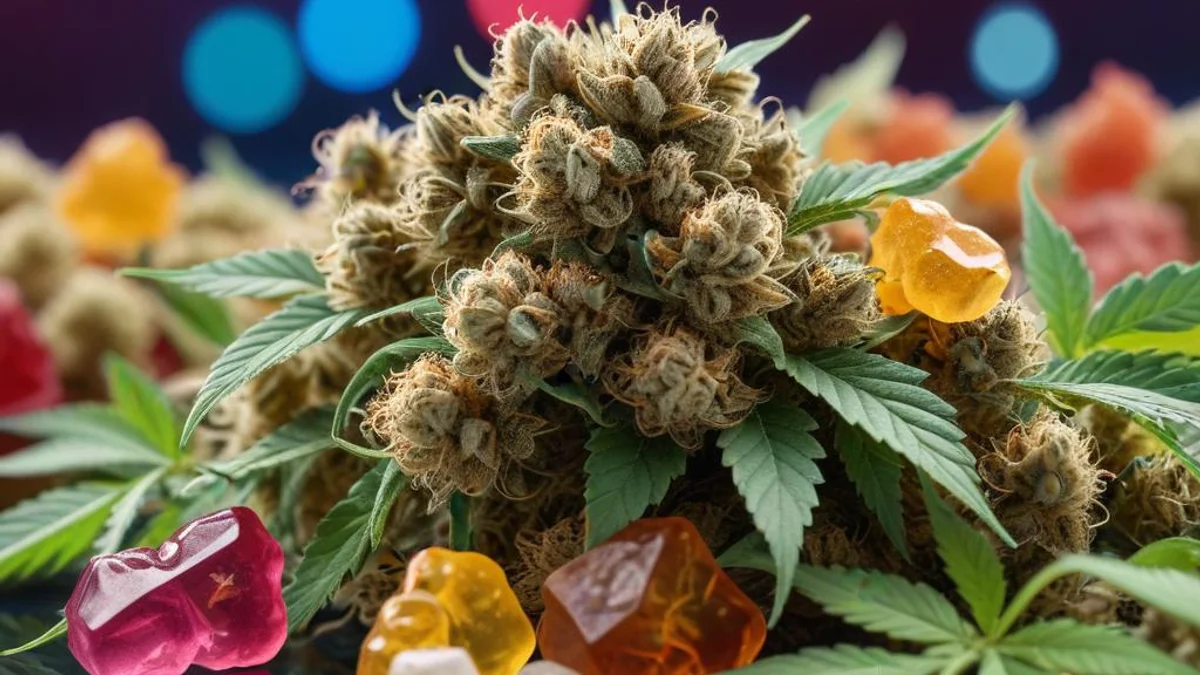
Good Times has launched fast-acting gummies that emphasize onset time and duration alongside cannabinoid profiles. The products use nano-emulsion technology to speed absorption—a feature the company says matters more to repeat customers than an extra 10 milligrams of THC.
New Jersey's regulated market, which opened for adult-use sales in April 2022, has seen dozens of brands compete primarily on price and potency. Good Times is wagering that a segment of consumers will pay a premium for predictability. The state's Cannabis Regulatory Commission doesn't mandate ratio labeling, but several brands have adopted similar approaches in Colorado and California markets.
The company has also invested in flavor development, working with a culinary team to create profiles that don't taste like cannabis extract. That's a calculated move: consumer surveys in mature markets show taste complaints as a top reason customers don't repurchase edibles.
Industry Context
The potency debate has intensified as THC levels in flower and concentrates have climbed. Oregon temporarily considered capping THC in flower at 50 percent before scrapping the proposal. Vermont implemented a 60 percent cap on concentrates in 2020. Critics argue that ultra-high potency products increase health risks, while manufacturers say consumers simply prefer stronger products.
Good Times isn't abandoning potency entirely—its products still list total cannabinoid content. But the packaging and marketing pivot to ratios and effects represents a bet that the "highest THC wins" mentality has limits. California brand Kiva Confections made a similar shift in 2019, introducing lower-dose products with specific ratio formulations. Those products now account for roughly 30 percent of Kiva's edibles sales, according to company data.
New Jersey's market generated $187 million in adult-use sales in the first quarter of 2024, per state data. The state has licensed 38 cultivators and 89 dispensaries, with more applications pending.
What's Next
Good Times plans to expand its ratio-based line to include tinctures and vaporizer cartridges later this year. The company is also testing packaging that uses effect descriptors—"Social," "Mellow," "Focused"—alongside cannabinoid information.
Whether the approach gains traction depends partly on consumer education. Budtenders in New Jersey dispensaries still field questions from customers asking for "the strongest stuff you have." But as the market matures and first-time buyers become experienced consumers, brands are betting that sophistication will follow.
The shift mirrors trends in other consumer packaged goods categories. Wine buyers don't always reach for the highest alcohol content. Coffee drinkers care about roast profile, not just caffeine. Good Times is testing whether cannabis can follow that trajectory—or whether potency theater still sells better than nuance.
This article is based on original reporting by hightimes.com.