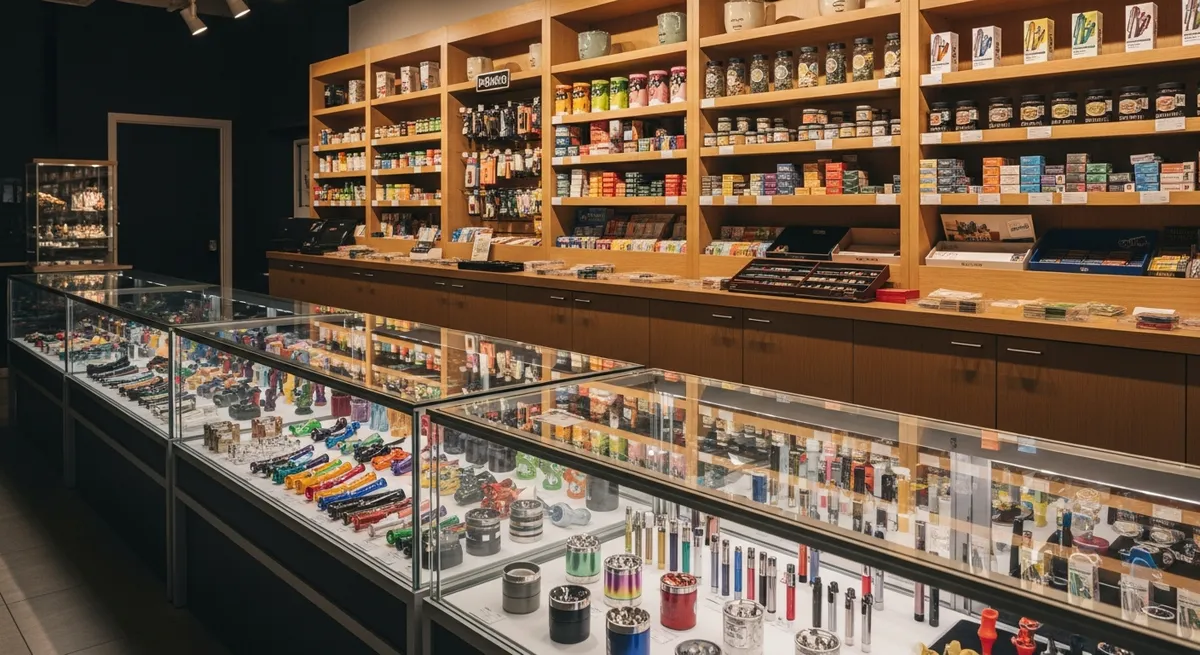
Pre-roll packaging is the first part of your product that your customer will come into contact with. In most states, pre-roll packaging is also a regulated component which requires child resistant packaging and specific labeling. Your packaging does three things for you: it protects your very delicate product; it keeps you compliant with state regulations; and it showcases your brand just before consumption. This guide examines all different varieties of packaging and will help you find the one that fulfills all three of the tasks above.
Tubes, boxes, and pouches
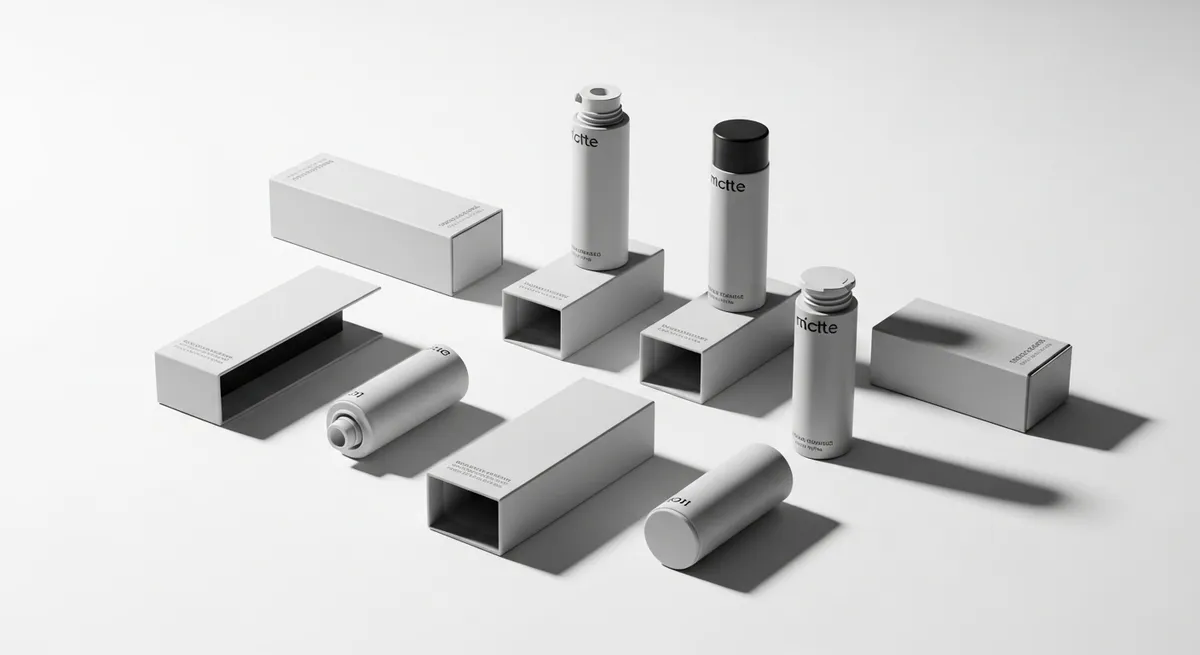
There are primarily three formats in which Pre-Rolls are packaged. These formats are tubes, multi-pack boxes, and soft pouches. Individual tubes, often referred to as “doob tubes,” typically hold one Pre-Roll per tube, and open when you ‘squeeze’ the tube. Multi-pack boxes hold anywhere from 2 to 10 Pre-Rolls and are ‘slide’ or ‘flip-top’ in style. Soft pouches are the least expensive format but offer the least crush protection. In most Dispensary Programs, tubes are used for the Single Pre-Rolls and the multi-pack (2 to 10 Pre-Rolls) versions are packaged in boxes that make for the best branding.
Compliance comes first
For packaging, compliance will likely play a much larger role in determining design than branding. Pre-rolls will need to be child-resistant in most states, some markets will require opacity, and packages will require label space for warnings, license number, and test data. Build your artwork around the mandatory label real estate from the start instead of trying to jam warnings in later. If you distribute in multiple states, design to the strictest market so one design works everywhere.
Branding that earns the shelf photo
Packaging is a huge part of a company’s branding and turns what would normally be an average commodity (like pre-rolled joints) into a product that people continue to purchase time and time again. In addition to typical full-wrap printing on tube packaging, many of the higher-end brands in the market utilize specialized printing on foil and embossing on the boxes, along with customized tip papers to complete the look. Ultimately, the brands that dominate the shelves use one bold color per line and can be read easily from across the store, typically creating a simple yet distinguishable brand that can be immediately recognized from across the retail floor even when comparing to other menu items within the same store.
What it costs
Packaging costs rise as you move up the various formats and increase in quantity. So stock tubes with labels are the basic unit of cost, printed tubes cost a bit more, then we have the very premium packaging in Rigid Boxes with special finishes. There are also pretty big margins as you hit the low thousands of units, which is why most companies consolidate their packaging orders on a quarterly basis (as opposed to per batch), in order to get the very best price. This cost should then be compared to the retail price and if it is very cheap pre-rolls then the premium packaging is not likely to add value, but on a premium multi-pack it visibly lifts sell-through.
Getting started
Start by deciding on a format and quantity, then have your artwork re-drawn into a template compliant with your state. The packaging designer will then send you a dieline proof, highlighting where all panels, warnings and folds sit. It’s worth paying a little extra to make up a sample pack before committing to a full print run, as you can’t tell by looking at a mockup online how tubes will fit in, or how rigid the boxes will be.
Explore branded packaging options, custom doob tubes, and king size cones by the box — or read our doob tubes explainer and branded rolling papers guide.