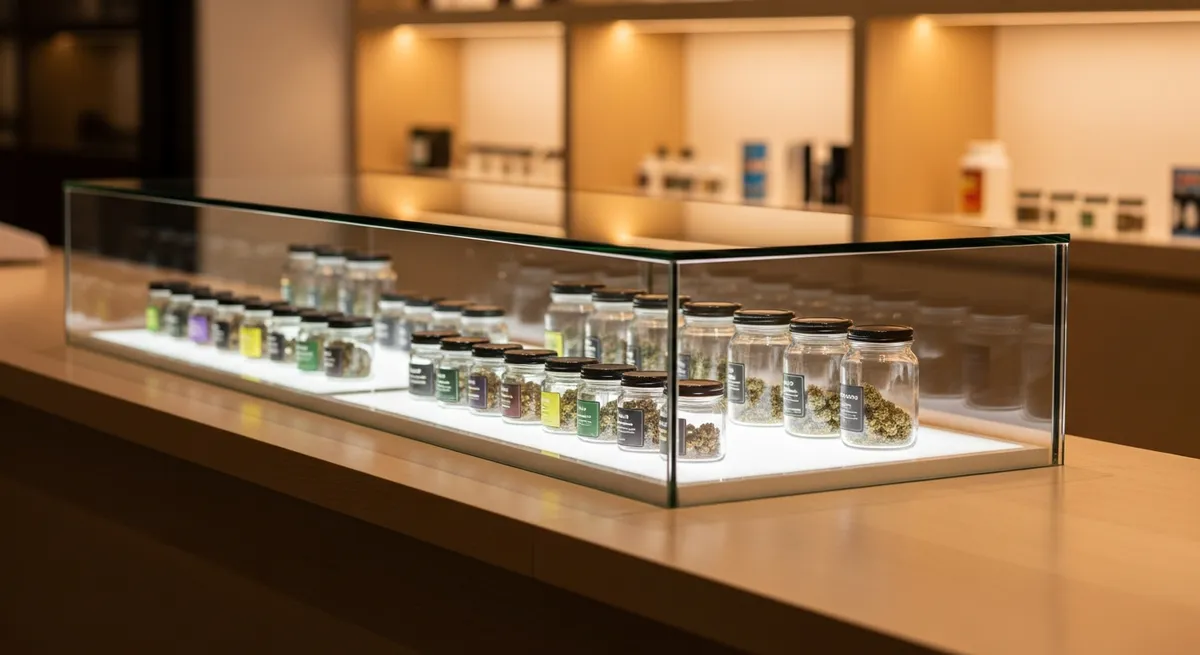
Budtenders decide what sells in a typical dispensary, studies have shown time and time again. Most customers walk into a dispensary with a category in mind (e.g. pain relief, help sleep, etc.) and end up purchasing what the budtender recommends after showing them options within that category. As a result, optimizing the ability of budtenders to sell product is one of the highest return on investment tasks in the dispensary.
Product knowledge that calibrates
There is a deep well of product knowledge that a great budtender needs to access in order to provide good service. Memorizing strain names is not enough. They need to have a good grasp of the effects that different products will have on a user, the onset time of vapor products compared to edibles, and a general sense of how to translate lab results to real life effects on a user. And the key skill that customers reward is honest calibration. A great budtender can tell a first-time user that the product they are reaching for is too strong and help them find something that is more within their tolerance. And it is returning customers that are the whole basis for the economics of a store.
Lead with questions
The craft of the interaction is in the questions you lead with. Instead of reading off the menu how does the guest want to feel? What is their experience level with cannabis? How do they like to consume? You will get way better results from asking these questions than reading off the menu. In 2 minutes or so you can turn a transaction into a consultation and as long as the additional products that you are trying to sell are relevant then the guest won’t feel pressured to purchase them and you’ll get a bigger basket.
Upselling that feels like service
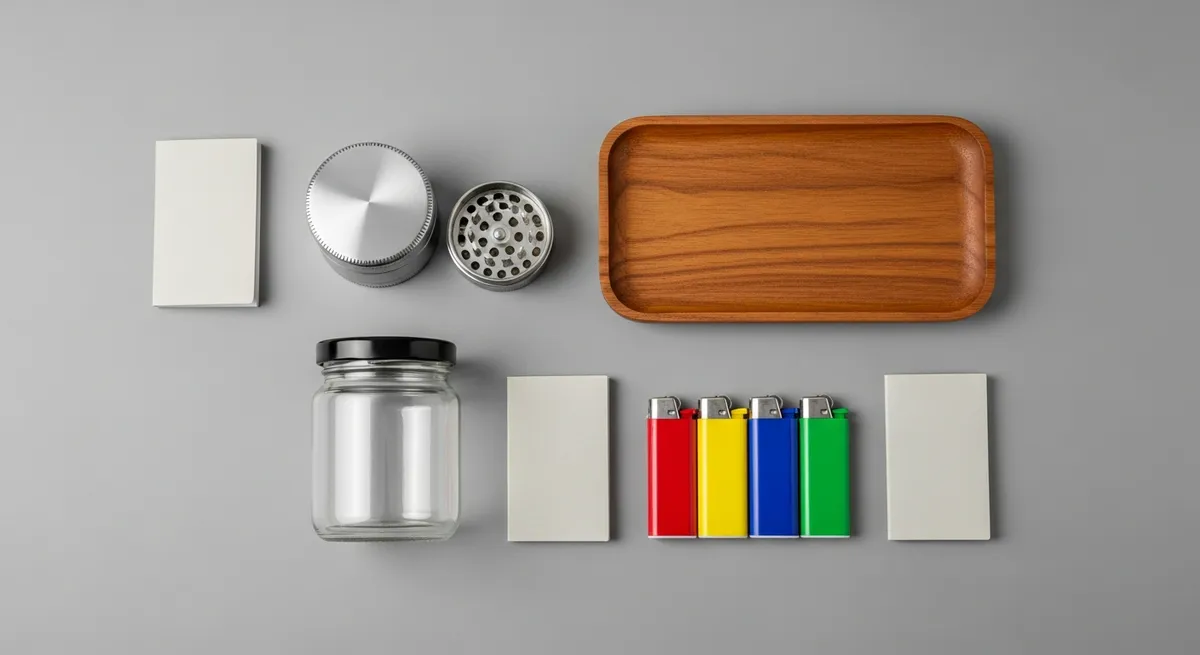
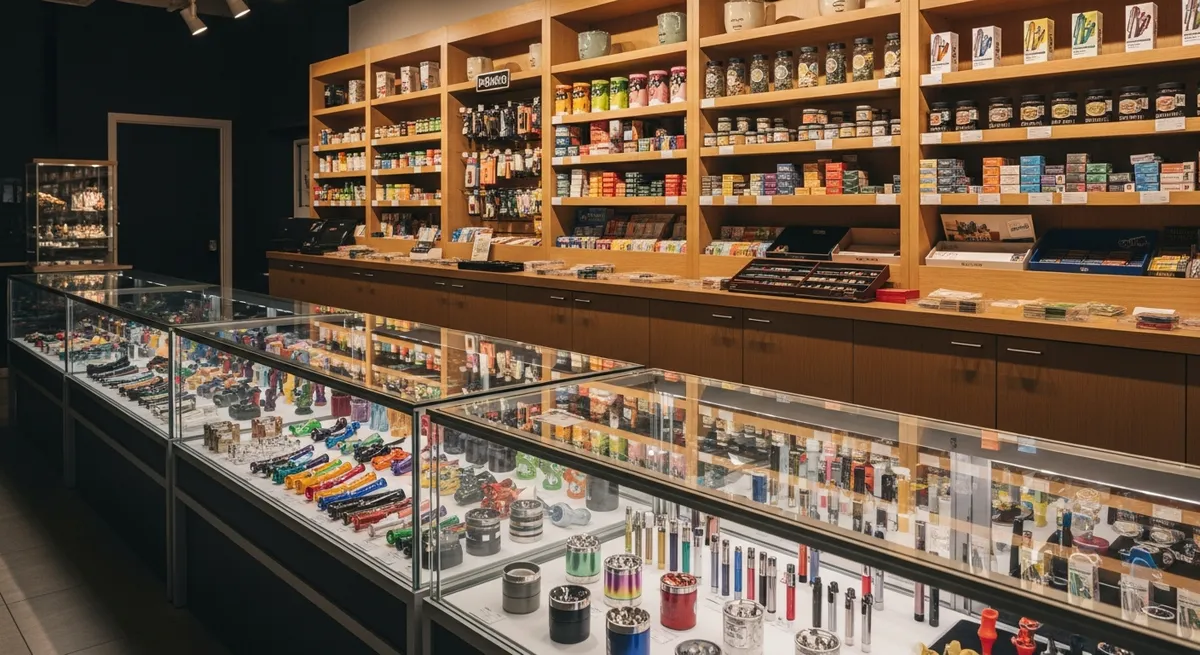
Upselling in dispensary channel works well if it is relevant and adds value to customers. Typical add-on products to natural attachments i.e. grinders with flower, rolling papers and bongs with rolling purchase, batteries with carts and storage jars with ounces of flower. These products have very high attach-rates and often better margins than corresponding products that are sold as standalone items. When such add-ons are recommended by sales people in ways that are relevant to products that customers have just purchased, customers perceive such recommendations as part of service offerings rather than high pressure sales.
Developing the team
Developing your budtenders as managers means providing them with structured product training from brand reps, holding tastings and making tasting notes for new products, and creating incentives that reward the quality of the baskets not just how fast they can be filled out. Arming your budtenders with their own branded swag and giving them a tiny budget of merch to pick out customers for them would be a great start. Nothing builds more loyalty to a regular than a budtender granting them a free branded lighter!
The career path
Budtenders actually have a real career path. The skills, product knowledge, knowledge of compliance, and consultative selling that a budtender has maps perfectly to a brand representative, buyer, or manager at a store or company in this industry. The budtenders who move up in the company treat their time at the counter as if it were a craft. They keep notes on regular questions that they get asked and gain insight into how the back of the house works. They develop good relationships with the brand representatives, who are always looking to hire.
Equip the counter with custom grinders and trays for attach sales, and see how budtender programs fit the wider dispensary marketing playbook.