Opening a smoke shop in 2026 is a real retail play with unusually good margins on accessories, but it sits inside a thicket of local regulation. The shops that survive get three things right early: location and licensing, an inventory mix weighted toward high-margin accessories, and a brand identity that gives customers a reason to skip the gas station counter. Here is the practical sequence.
Licensing and location first
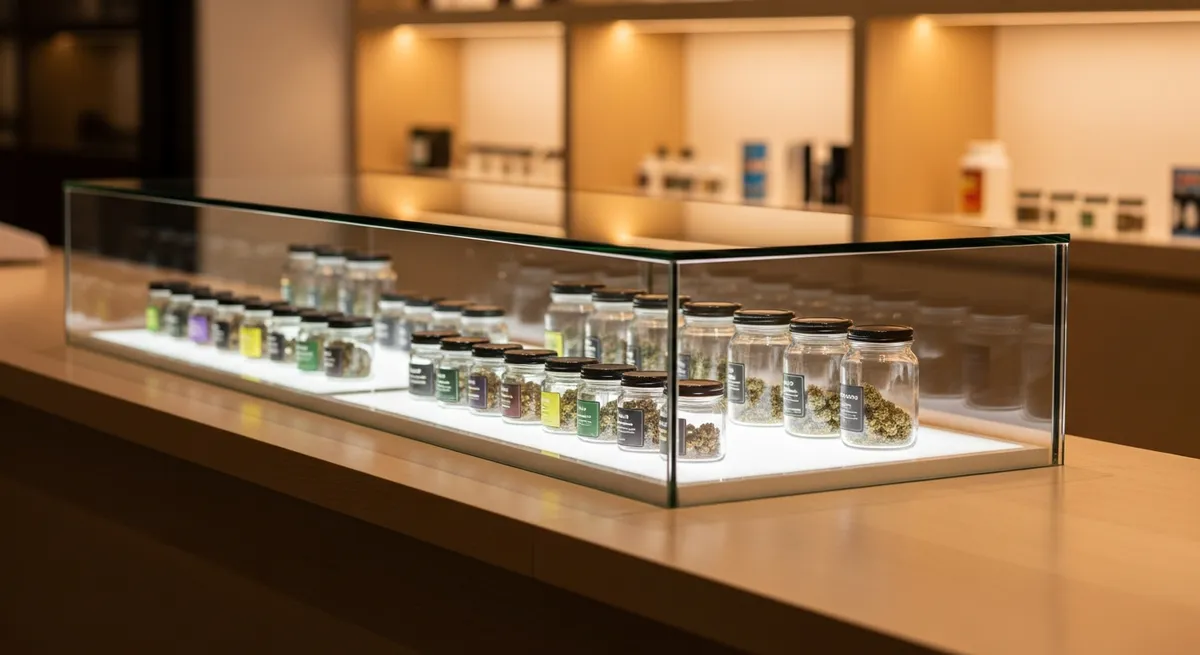
First, determine what the requirements are before signing a lease at a potential location. These can vary widely from city to city and from state to state. Requirements can include a tobacco retail license, local zoning restrictions that would prohibit a retailer from being located near a school, and age verification requirements for the products that will be retailed in the smoke shop. In addition, some markets may have restrictions on how paraphernalia can be displayed in a store. Researching the local licensing office and asking what one would need to obtain a license to open a compliant retail tobacco store in that market can provide the owner with crucial information about what to look for in a potential location, how a store could be configured to meet local requirements, and whether or not the location could be a profitable venture in the first place.
Inventory: accessories are the margin
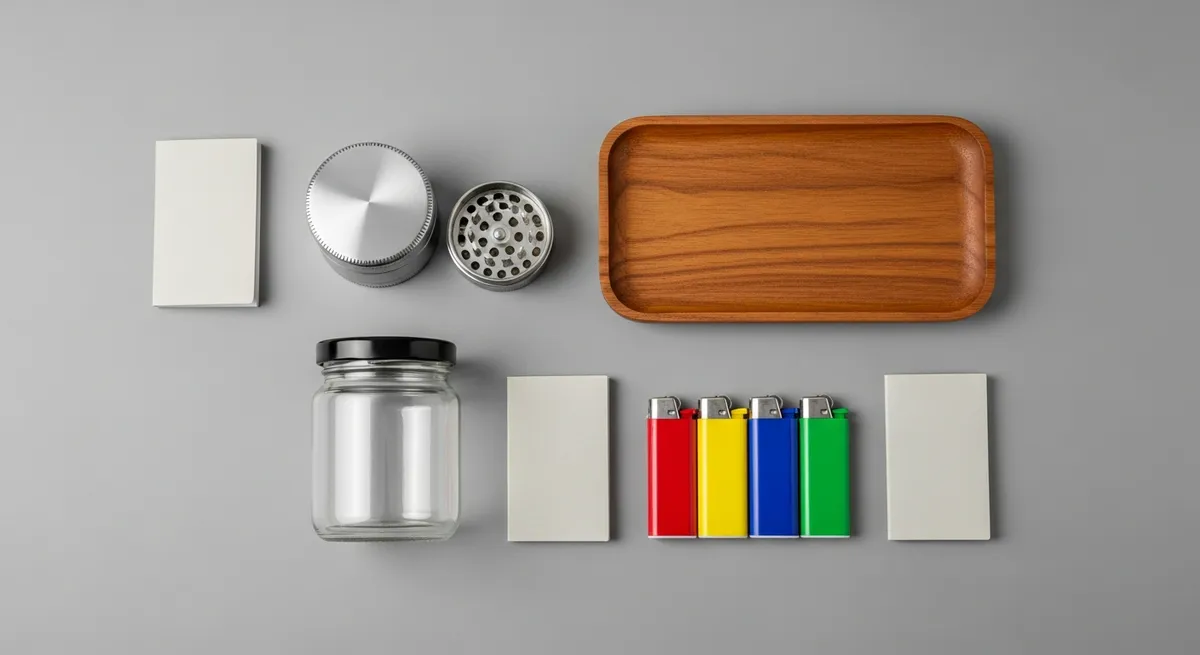
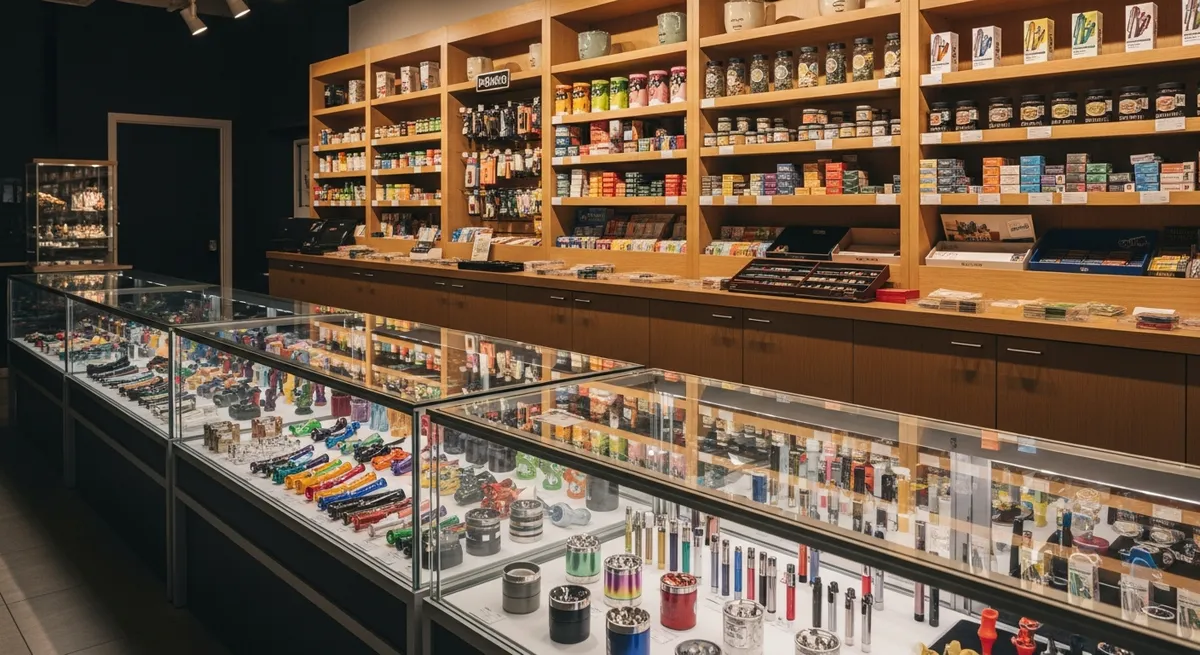
Your inventory strategy equals your margin. In trying to get people to come into your store for discounted tobacco and the latest vaping products, you’re taking a product with very low margin and lots of painful tax filing with every transaction. On the other hand, accessories to tobacco products are your highest margin item – often 2 – 4 times the margin of the corresponding tobacco product (grinders, hand pipes, rolling papers and accessories, tray, storage and lighters). So stock the accessory wall not the tobacco wall and place reorders based on their actual sell-through from day one.
Build a house brand
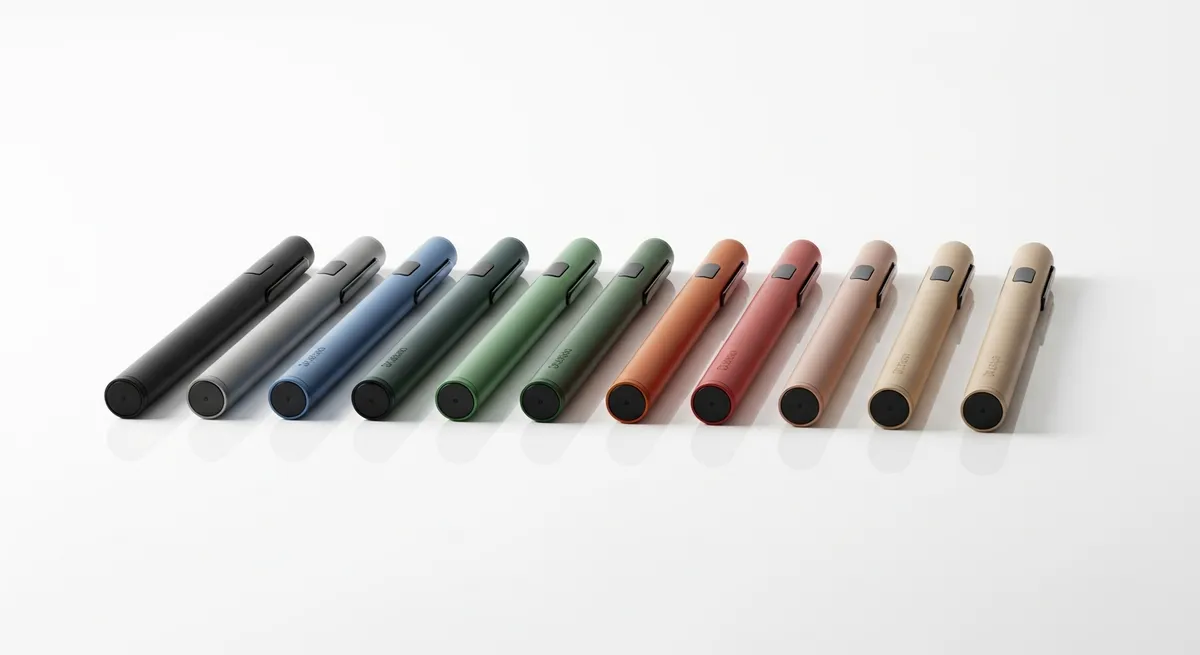
Branding is what keeps a destination store from becoming just another commodity-selling counter. A memorable name and a consistent interior combined with house-branded merchandise such as grinders & trays, lighters & papers with your logo to name a few, means that customers will have things in store that your competitors will not stock. But by far the highest margin goods in store will be those that you control the supply chain for – i.e. house-branded.
Startup costs and systems
There are usually four major categories that startups have in their budget to launch: buildout of the space, first round of inventory, licenses to sell the product(s) and a cash reserve. Of those four line items, the initial round of inventory typically is the biggest category. Startups should make sure to open with a tight but wide variety of products and let the resulting sales data from the first 90 days point to where to add more depth to the related categories. A point-of-sale system with age verification, as well as insurance that specifically covers the related products and services, are not optional items.
Launch tactics
During launch, stack all of the retail tactics that are legal ( grand opening event, local co-op promotion, loyalty program from launch, and launch promotion of branded merchandise) to drive circulation of logo quickly with branded merchandise giveaways. Many of the same marketing constraints that plague dispensaries do not apply to retail accessory stores and therefore owned channels always win against paid channels for cost.
For the house-brand side, start with the wholesale accessories catalog guide, custom grinders, and custom lighters. Opening a dispensary instead? See our grand opening playbook.