Quick Navigation
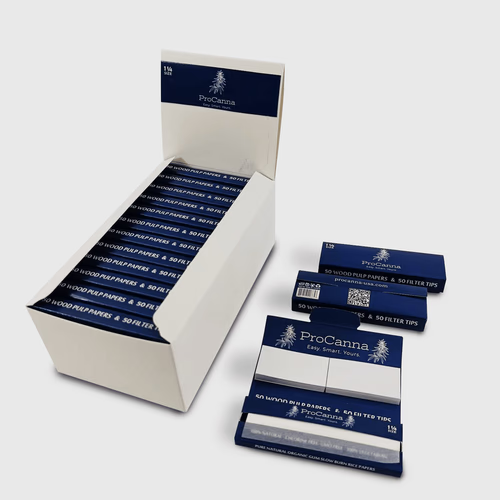
Why Papers Matter More Than Most People Think
Many people who smoke don't think twice about what they're rolling their herb in, grabbing whatever papers are nearest. But that's actually the wrong way to go about it. The paper you use to roll your herb gets burned right along with it, which means that whatever is in that paper ends up inside your lungs every time you take a hit.
Not all rolling papersNot all papers are created equal, you know. Some are made from natural plant fibers and don't go through a lot of processing, while others are put through industrial bleaching or have burn accelerants added to them, and some even use synthetic adhesives. The difference between the cheap papers you'd find at a gas station and a high-quality, unbleached hemp paper is pretty significant, especially when it comes to what you're actually inhaling when you smoke. It's like comparing apples and oranges - they might look similar, but they're really not the same thing. The stuff that's in those cheap papers can be pretty harsh, whereas something like unbleached hemp paper is a much cleaner, more natural option.
When it comes to rolling papers, there are a few things you should know. First, let's talk about the materials used to make them. Then, we'll look at what the research and ingredient labels really mean for your health. We'll also check out which brands are actually good and what you should look for when you're shopping. If you're already spending money on good herb, it's a good idea to think about the quality of your papers too.
Rolling Paper Materials: What They're Actually Made From
Rolling papers are thin sheets made from plant fibers. The material determines burn rate, taste, how much paper smoke gets mixed into your hit, and how easy they are to roll. Here's how each type compares.
Hemp Papers
People who care about their health are turning to hemp papers when they smoke. The reasons for this are simple. Hemp fibers are strong and have lots of tiny holes, which helps them burn slowly and at an even pace. They don't need any extra chemicals to make them burn, which is a big plus. Another good thing about hemp papers is that they're pretty durable, so even if you're not great at rolling them yet, they'll still work okay. This makes them a great choice for people who are just starting out with rolling their own smokes.
Hemp papers that haven't been bleached have a distinct light brown or tan color. This is because they haven't been treated with chlorine or other chemicals to make them white. When you use these papers, you might notice a slightly earthy taste, but it's not strong enough to overpower the taste of what you're using them for. From a health perspective, choosing unbleached organic hemp papers is a good idea. The materials used to make them are clean and haven't been processed much, which means there aren't any leftover chemicals from the bleaching process. This makes them a better choice for people who care about their health and the environment.
Hemp papers tend to burn a bit quicker than rice papers, and the really thin ones can be a bit fragile. But overall, they're more forgiving than rice papers. So, for most people who smoke, hemp is a good choice if they're looking out for their health. It's kind of the default option when health is the top priority.
Rice Papers
Rice papers are really thin, almost see-through. Since they're so thin, they don't add much to the smoke when you burn them. You won't taste anything from the paper, and they produce almost no ash. They burn really cleanly. If you're super sensitive to the taste of paper smoke or want a wrapper that won't affect the flavor, rice papers are a great choice. They're hard to beat when it comes to being neutral and not getting in the way of the taste.
Rolling with rice papers can be a bit of a challenge. They're pretty delicate and don't hold onto your herb as well as some other materials, like hemp. Plus, they tear easily, which can be frustrating. And if your hands are even slightly damp, it's like they become impossible to work with. But, you know, experienced rollers seem to love them - they've just got the technique down pat. For beginners, though, it can be tough. There's definitely a learning curve, and it takes some time to get the hang of it. That being said, some people think it's worth the extra effort once they've mastered the skill.
Rice papers are a great choice if you're someone who takes their time - they're less likely to get out of shape compared to regular papers made from wood pulp, and they can handle sitting for a bit between uses without burning unevenly.
Wood Pulp Papers
Traditional rolling papers have long been made from wood pulp, and this is exactly what helped Zig-Zag build its reputation. Their papers, made from wood pulp, are known for being thicker and stiffer, which makes them really easy to handle. For a long time, they were the go-to choice for many people, and even now, they still appeal to those who want a reliable roll without having to think too much about it. The thickness and stiffness of wood pulp papers make them a favorite among those who value simplicity and ease of use.
When it comes to your health, there are some real downsides to using wood pulp papers. For one, they're usually bleached white, which can be a problem. They also tend to burn faster than papers made from hemp or rice, and sometimes they burn unevenly. This means you're burning more paper each time you use one, which isn't great. If you've ever tried a thin hemp paper, you'll notice that wood pulp papers have a distinct taste that's kind of papery. Some people don't mind it, but others really don't like it. They're not the worst option out there, but if you're trying to cut down on extra additives in your smoke, wood pulp papers aren't really the way to go from a health standpoint.
Flax Papers
Flax papers, also known as linen papers, fall somewhere in between hemp and rice papers in terms of their characteristics. They are known for being thin and having a smooth texture, which makes them a popular choice among some users. One of the benefits of flax papers is that they burn slowly and cleanly, producing a more pleasant experience. Additionally, they are often considered easier to handle than rice papers, which can be quite delicate. A well-known brand of flax paper is OCB Premium, which is generally well-regarded by users. The natural material and clean burn of OCB Premium make it a good option for those who find rice papers too finicky, but still want a thinner and cleaner alternative to standard wood pulp papers. Overall, flax papers offer a reasonable middle ground for those looking for a unique smoking experience.
Transparent/Cellulose Papers
These transparent papers, which are made from plant cellulose, have a unique appearance and can be a novelty for some smokers. One of the benefits of these papers is that they are truly tasteless, which can be a plus for those who are sensitive to the taste of other materials. However, there are some downsides to using cellulose papers. For one, they can be difficult to roll because they are slippery, and they also burn more slowly than other types of papers. Additionally, the environmental impact of cellulose papers is not as clean as that of hemp or rice papers. Overall, while cellulose papers may be an interesting option, they are not generally recommended for those who prioritize health, unless they have specific taste sensitivities to other materials. In such cases, cellulose papers might be a viable alternative, but it's essential to weigh the pros and cons before making a decision.
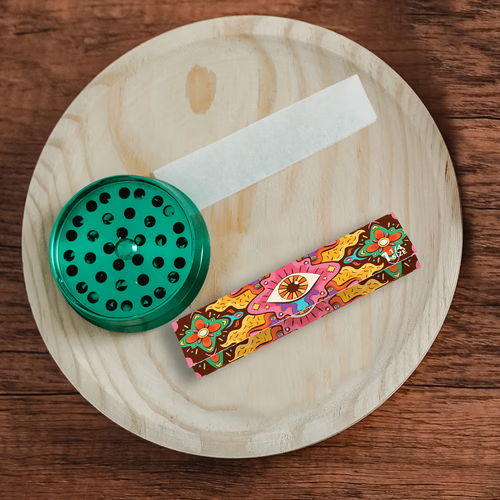
What Actually Matters for Health
The "safest rolling papers" question comes down to a few specific factors. Here's what's worth paying attention to and what's mostly marketing.
Bleaching and Chemical Processing
One major issue with white rolling papers is that they get their color from being bleached. In the past, chlorine was used for this process, but a lot of manufacturers have changed to using oxygen or ozone instead, which is better for the environment. However, the problem is that even with these new methods, the papers are still bleached, and that can be bad news. When you burn the paper, it can release leftover chlorine and other chemicals that were used in the bleaching process, which is a pretty big concern.
When it comes to paper, some types are better than others. Unbleached papers are a good choice because they don't have any extra chemicals in them. These papers are usually brown or tan, which is their natural color. If you see "unbleached" on the package, that's a good sign - it means the paper is closer to how it's found in nature. This is especially true for papers made from hemp. In that case, unbleached is the best option you can get.
Some companies are now making paper that's really white without using chlorine. They use different things to get the paper white. This is better than using chlorine, but if you want to avoid chemicals as much as possible, it's still best to choose unbleached paper.
Burn Additives
Some types of paper, like the cheaper ones made from wood pulp, have special chemicals in them that help them burn evenly. This stops the paper from burning unevenly on one side, which is called "canoeing", and keeps it lit even if you're not smoking it for a bit. This is actually a rule in many countries to help prevent fires, especially when it comes to cigarette papers.
The issue with some papers is that they contain synthetic additives that are burned and inhaled when used. However, some premium papers claim to be additive-free, relying on the natural burning properties of the materials they are made from. Papers made from hemp and rice, for example, burn at a slow enough rate on their own, eliminating the need for accelerants. This is one reason why health-conscious smokers often prefer these types of papers. They are a better choice because they don't release harmful chemicals when burned. The natural burn rate of hemp and rice papers makes them a popular option for those looking for a healthier smoking experience.
When shopping for papers, it's a good idea to check the labels for terms like "additive-free" or "no burn additives." One brand that's well-known for making a big deal about this is RAW papers. They're a popular choice, and for good reason - their focus on avoiding additives is genuine.
The Gum Strip
You know how some papers have a thin line of adhesive along the edge? That's what seals the joint when you lick it. The good quality papers use something called natural gum arabic, which is a special kind of adhesive that comes from acacia trees. It's totally safe to use, doesn't taste bad, and even burns cleanly. A lot of high-end brands like to brag about using this stuff because it's actually better than the alternatives.
Some affordable papers might use fake adhesives that can give a bad taste and make it hard to know how they'll burn. The only way to really know is if the company is honest about what's in their products. So, it's best to stick with well-known brands that say they use natural gum, that way you can be pretty sure you're getting a good product.
Thickness
When it comes to paper, thinner is generally better because it means less paper is being burned each time. If you look at the different types of paper, rice papers are the thinnest, then you have fine or ultra-thin hemp papers, followed by standard hemp, and finally wood pulp. From a harm-reduction perspective, thinner papers are a good choice because they reduce the amount of paper material being burned overall. However, it's worth noting that the differences between these papers are relatively small compared to other factors like bleaching and additives. For instance, a thick, unbleached hemp paper is still a much better option than a thin, bleached paper that contains burn additives.
Organic Certification
When it comes to organic hemp, it's all about how the plant was grown - without using synthetic pesticides or herbicides. Now, whether any of these chemicals actually make it into the final paper product is up for debate, since the processing of paper is a pretty thorough process. But for those who are really passionate about using organic products, there are some great options out there. You can find certified organic papers from brands like RAW Organic Hemp and Greengo Organic, for example. It's not necessarily a must-have, but it's definitely a nice-to-have for people who care about this kind of thing - like brand buyers or dispensary customers who are looking for a more organic option.
Flavored Papers
When it comes to rolling papers, some people like to use flavored ones, like strawberry or blueberry. These papers have extra flavorings that get burned and inhaled when you smoke. But here's the thing: these flavorings can be made in different ways, and some are natural while others are artificial. The problem is, none of these flavorings make the paper any healthier for you. So, if you're really worried about your health, it's probably better to stick with unflavored papers. They might not taste as fun, but at least you'll know you're not putting any extra junk into your body.
Worth noting:Some cheap papers, like those you find at gas stations or dollar stores, don't tell you what's in them. This is a real concern because tests have shown that these low-quality papers can have bad stuff like pesticide residues and heavy metals in them. It's worth paying a little extra for a brand that tells you where their papers come from, especially when you think about how much you're spending on the herb itself. The difference it makes in what you're actually smoking is significant.
Practical takeaway:Unbleached hemp or rice papers, additive-free, with natural gum arabic. That's the combination that checks every box. Brands that tell you exactly what's in their papers are worth trusting more than ones that don't.
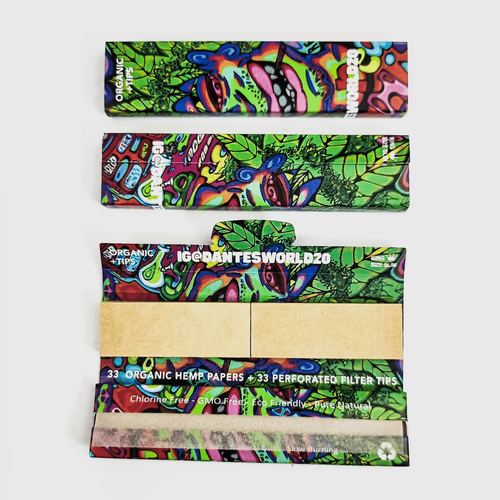
The Brands That Hold Up
A few brands consistently come up when the conversation is specifically about clean, health-conscious papers. Here's what distinguishes them.
RAW
RAW is a well-known brand in the industry, and for good reason. They make their papers using a special mix of hemp and flax fibers that haven't been refined - that's why they have a natural brown color, it's not because they're low quality. What's more, they don't add any chemicals to make them burn better, and they don't use chlorine either. Instead, they use a natural adhesive called gum arabic. If you hold the paper up to the light, you'll see a pattern of lines that cross over each other - this is a watermark, and it's designed to help the paper burn evenly, without needing any extra chemicals to make it happen. This way, the paper can burn smoothly and consistently, which is what you want when you're using it. The fact that RAW uses natural materials and doesn't add any harsh chemicals is a big part of why they have such a good reputation.
RAW Organic Hemp takes it to the next level by adding certified organic sourcing to their already impressive lineup. Their Classic line is where it all started - an original unbleached paper that sets the standard. But if you're looking for something a bit more sleek, their King Size Slim is probably the most popular choice among fans. And for dispensaries and smoke shops looking to stock up on papers, RAW is the clear winner - it's the most requested brand by customers who know their stuff.
Elements
Smokers who want a really clean burn often choose Elements rice papers. These papers are made from rice and sugar, and the gum that holds them together is made from sugar, not acacia. When you burn them, they turn into almost white ash and don't leave much residue behind. The sugar gum burns very cleanly and doesn't give off a strong taste. This makes Elements a popular choice for smokers who are very sensitive to taste or want to minimize the smell of paper smoke as much as possible.
Working with rice papers can be a bit tricky, it takes some practice to get the hang of it. But for those who prefer a thinner paper with easier handling, Elements offers an Ultra Thin hemp paper that's a great alternative.
OCB
OCB has been around since 1918, making all sorts of rolling papers that are perfect for smokers who care about their health. One of their lines, OCB Organic Hemp, is really special because it's certified organic, doesn't have any bleach, and is free from additives - it even uses natural gum. Then there's OCB Premium, which uses super thin flax papers that burn really cleanly. And for those who like traditional wood pulp papers but want something a bit lighter, OCB X-Pert is a great option - it's a thinner version of the standard paper.
OCB is widely available in Europe and increasingly common in North American dispensaries. Their pricing is reasonable, and the quality is consistent.
Smoking (Brown/Organic)
Smoking brand has a couple of lines that are pretty popular in Europe - their Brown and Organic lines. These lines use unbleached papers, which is a big plus. Even though they're not as well-known in North America, they're definitely worth considering, especially when it comes to being transparent about their ingredients and how well they burn. This is something that dispensaries, especially those that get their supplies from Spain or other European countries, should keep in mind.
Zig-Zag (with context)
Zig-Zag is a well-known brand for rolling papers in North America, with a history dating back to the 1870s. While their standard papers are made from bleached wood pulp, which may not be the healthiest choice, they are reliable and familiar to many users. However, Zig-Zag also offers an organic hemp line that addresses some of the concerns associated with their standard papers. If customers specifically ask for Zig-Zag, it's worth recommending the hemp version over the classic white papers, as it provides a potentially healthier alternative. This way, customers can still get the brand they prefer while also having a more organic option.
Juicy Jay's (what to know)
People really like Juicy Jay's, especially younger folks who enjoy the different flavors. The company is upfront about their product being a flavored paper, infused with terpenes and triple-dipped. For those who aren't too concerned about healthy smoking options, Juicy Jay's are okay. However, they're quite far from being a natural choice like unbleached hemp - they're made to add flavor, which means they contain more additives. It makes sense for businesses to stock them, but recommending them as a healthy option doesn't quite add up.
Paper Sizes: Which One Do You Need?
Rolling paper sizes are fairly standardized across the industry. Here's a quick reference:
| Size | Approx. Dimensions | Best For |
|---|---|---|
| Single Wide | ~68mm x 34mm | Solo sessions, standard cigarette size |
| 1 1/4 | ~79mm x 44mm | Most popular size; good for most uses |
| 1 1/2 | ~79mm x 60mm | Wider papers for fuller rolls |
| King Size | ~100mm x 55mm | Group sessions, larger rolls |
| King Size Slim | ~110mm x 44mm | Long and narrow; popular for specialty rolls |
Most people tend to go with 1 1/4 as their default size. However, experienced rollers often prefer the King Size Slim, which gives them more length without adding extra width. This seems to be a popular choice, especially among those who order from dispensaries.custom branded papers, 1 1/4 and King Size cover the majority of customers.
How to Buy Smart
A few things worth keeping in mind when you're sourcing papers, whether for personal use or for a dispensary or smoke shop.
Read the Label
When it comes to rolling papers, you want to know what you're getting. A good brand will give you the lowdown on what's in their papers. Check the packaging for details like the type of material used - is it hemp, rice, or flax? Has it been bleached or is it unbleached? Is it organic? What kind of gum is used? And are there any burn additives thrown in? If all you see is "cigarette paper" or "rolling papers" with no extra info, that's a red flag. Brands that are proud of their product will be upfront about what's in it. They've got nothing to hide, so they'll tell you all about it.
Reputation Is Usually Earned
RAW, OCB, Elements, and similar brands aren't popular because of marketing — they're popular because enough people have smoked enough rolls with them to know what they get. That kind of reputation for quality papers tends to be meaningful. Unknown brands with no track record, particularly ones with suspiciously low prices, are worth treating with skepticism.
Matching Paper to Skill Level
When it comes to the thickness of rice papers, there's no one-size-fits-all answer. The experience of using ultra-thin papers can vary greatly depending on how often and how quickly you roll. For instance, someone who rolls infrequently and at a slow pace may find ultra-thin papers more challenging to work with compared to someone who rolls quickly on a daily basis. If you're planning to stock papers at a shop, it's a good idea to offer a range of options to cater to different rolling styles and preferences. On the other hand, if you're new to rolling, you might want to start with a standard hemp paper, as it's more forgiving and allows you to develop your technique. Once you become more comfortable with rolling, you can experiment with thinner options to find what works best for you.
Price vs. Quality
When it comes to papers, you get what you pay for. Sure, quality papers might be a bit pricier than the budget ones - we're talking a difference of around $2 to $4 for a booklet. But let's be real, that's not a lot of money, especially when you consider how much people spend on other things. And when you're talking about something you're actually going to be inhaling, don't you want to make sure it's the best it can be? The difference in cost is pretty minor, but the difference in what you're putting into your body is a big deal. It just doesn't make sense to skimp out on papers when it comes to your health.
Where to Buy
Smoke shops and dispensaries that know their products will carry the good brands. Online retailers have the widest selection. Gas stations and convenience stores are where you find the papers to avoid — they stock whatever is cheapest, not what's best. If you're a shop owner looking atcustom branded rolling papers, the material you choose matters both for your customers' health and for the quality signal your brand sends.
Custom Papers for Dispensaries and Brands
If you're a dispensary, cannabis brand, or smoke shop looking at custom rolling papersWhen it comes to papers with your branding, the type of material used is crucial. If you're using cheap wood pulp papers, even with your logo on the cover, customers who value quality will likely notice. On the other hand, opting for custom unbleached hemp papers sends a strong message about your brand's values and commitment to quality. This consistent approach can make a significant difference in how your brand is perceived. By choosing high-quality, eco-friendly papers, you're showing that your brand prioritizes not just aesthetics, but also sustainability and attention to detail. This can help build trust and loyalty with your customers, who will appreciate the extra effort you put into selecting the right materials for your branded papers.
When it comes to custom papers, they are usually made in the same factories as the well-known brands, and you can order them in most standard sizes. The good thing is that you have a wide range of paper qualities to choose from for your custom orders - from the regular bleached wood pulp to the more eco-friendly unbleached organic hemp. This means you don't have to settle for the cheapest option just because you want to add your own branding to the papers. You can pick the paper that best fits your needs and budget, and still get the custom look you want.
For dispensaries in particular, custom rolling papers have become a standard part of the branded merchandise offering. Pre-rolls packaged in custom paper booklets, branded accessories for in-store sales, andpromotional merchandises are all common uses. The paper quality you choose reflects directly on the experience customers associate with your brand.
Common Questions
Bottom Line
When it comes to rolling papers, the difference between the good and the bad is pretty clear. Some papers are made without bleach, which means they don't have any harsh chemicals like chlorine in them. Then there are papers that don't have any extra additives, so you don't have to worry about breathing in weird synthetic stuff when you smoke. And let's not forget about the glue that holds the paper together - some papers use natural gum arabic, which is way better than the unknown adhesives used in other papers. These aren't just fancy marketing terms, they're real differences that can affect your smoking experience.
When it comes to choosing the right papers, it's pretty straightforward. Just go for unbleached hemp papers from a brand that's open about what's in them. You can't go wrong with RAW, OCB Organic, or Elements - they're popular for a reason. If you're up for it, rice papers are a great option too, they burn really clean. But steer clear of flavored papers and anything that doesn't give you a clear idea of what's inside.
The quality paper market has come a long way, and now you can find good options at any price and in any size. Really, there's no excuse to use low-quality papers when there are clean and affordable alternatives available everywhere.
Need Custom Rolling Papers for Your Dispensary?
Browse Our Selection →EZ Wider: cheap, wide, and middle-of-the-pack on health
EZ WiderThe EZ Wider brand has been a well-known name in the budget rolling paper market since the 1970s. They offer a range of products, including the standard EZ Wider 1¼ and Double Wide papers, which are made from wood pulp and have undergone a light chlorine-free processing method. While this is an improvement over bleached white papers, it's worth noting that there are more environmentally friendly options available, such as those made from hemp or rice, like RAW Organic or Elements. These alternative brands may offer a more sustainable choice for those looking for a greener option. Overall, EZ Wider remains a recognizable and widely available brand in the US market.
On health metrics specifically:
- Bleach: EZ Wider uses chlorine-free pulp, so no chlorine bleach byproducts. Good.
- Adhesive: Natural gum arabic on the glue strip, food-safe. Good.
- Additives: Wood pulp burns slightly faster and harsher than hemp; some users report a noticeable "papery" taste. Mid-tier.
- Watermarks/lines:You won't find any visible chemical watermarks on EZ Wider papers. Those lines you might see on other brands are actually a special additive that they use, but EZ Wider doesn't have that. Their papers are just straightforward and simple, without any of those extra chemicals.
Verdict:EZ Wider is a fine budget choice if you smoke occasionally and want a wider format. For daily smoking or for selling under your own dispensary label,custom hemp papers with a slimmer profile burn cleaner and taste better — and at dispensary MOQs the per-unit cost is comparable.