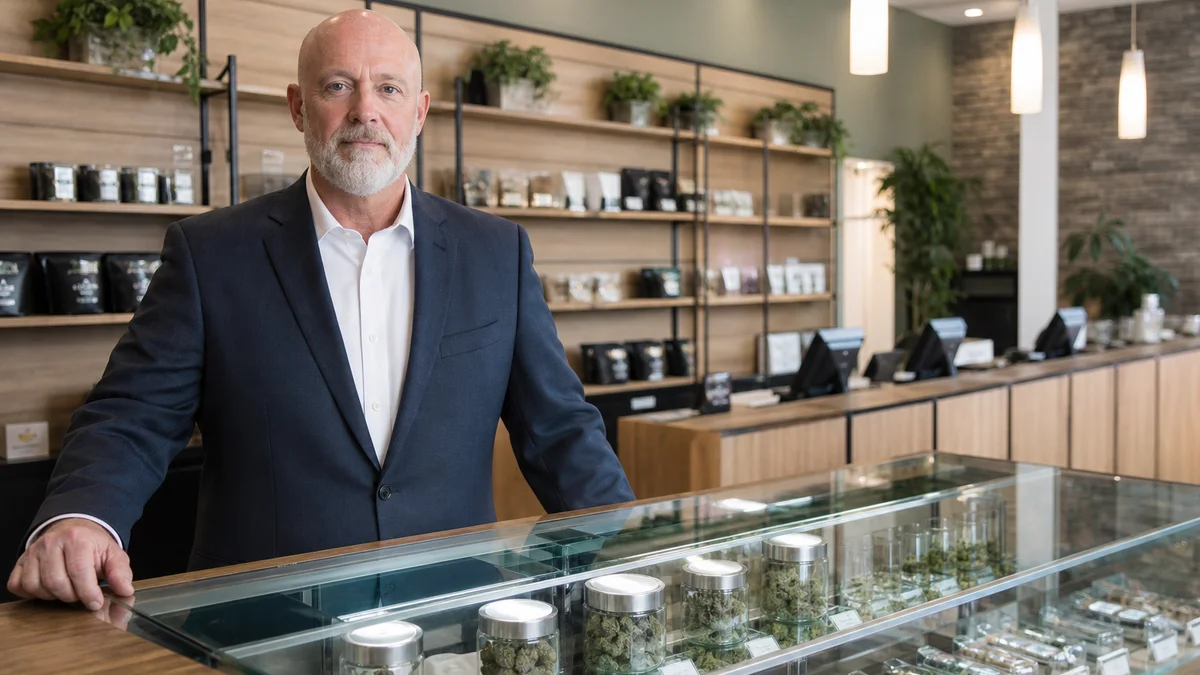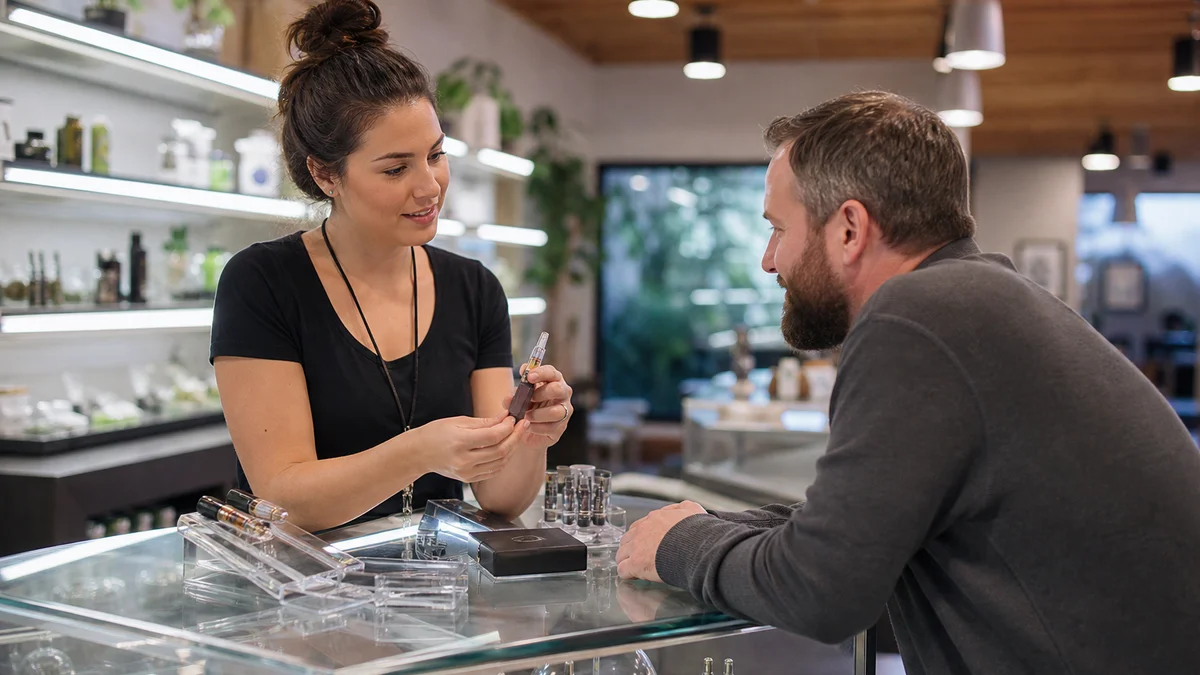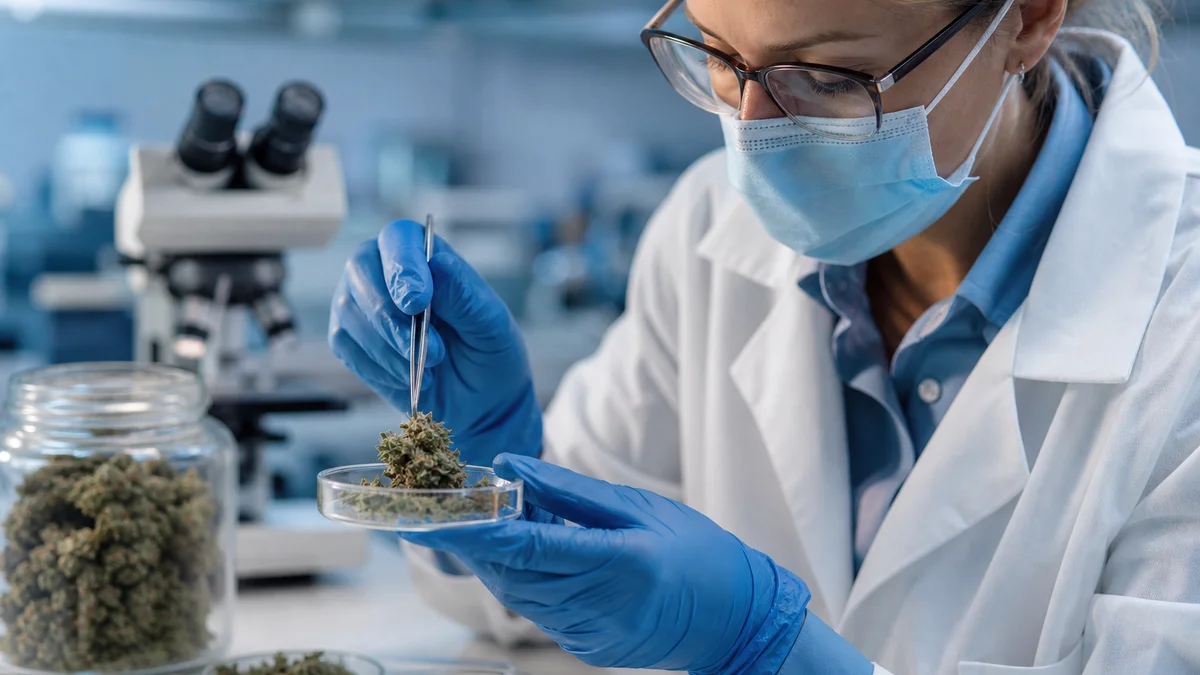

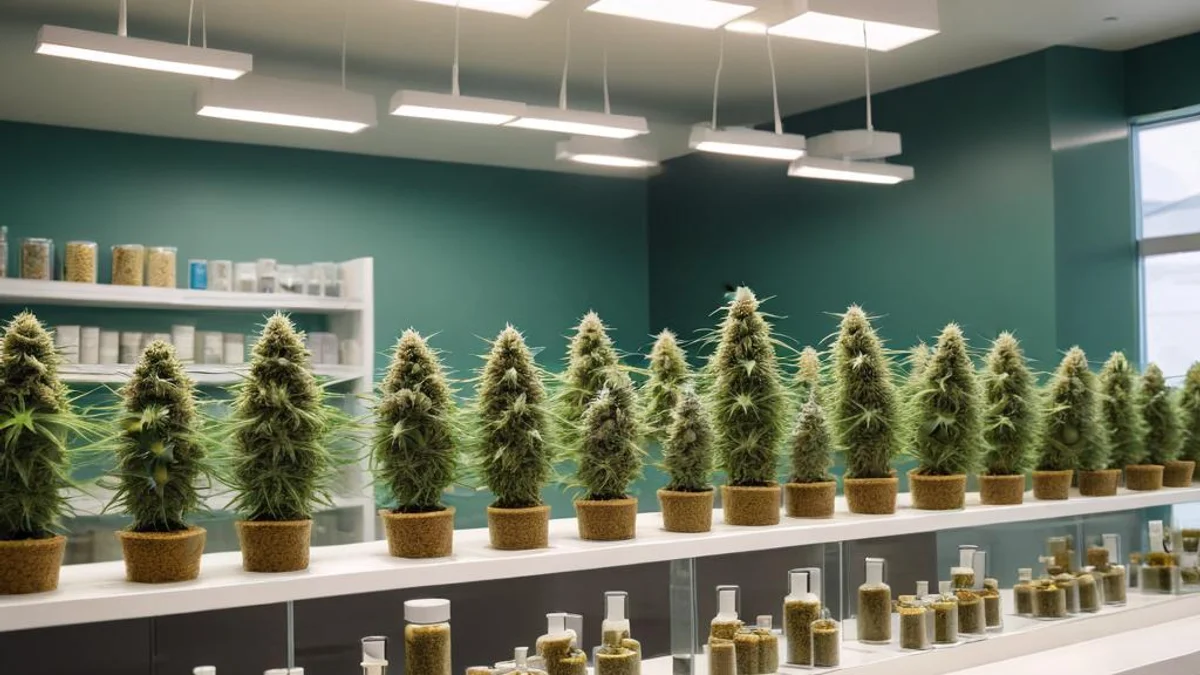
Kentucky's medical cannabis program hit a major milestone this week with the opening of Speakeasy Dispensary in Lexington, marking the state's second retail location and completing the infrastructure needed for a fully functional market.
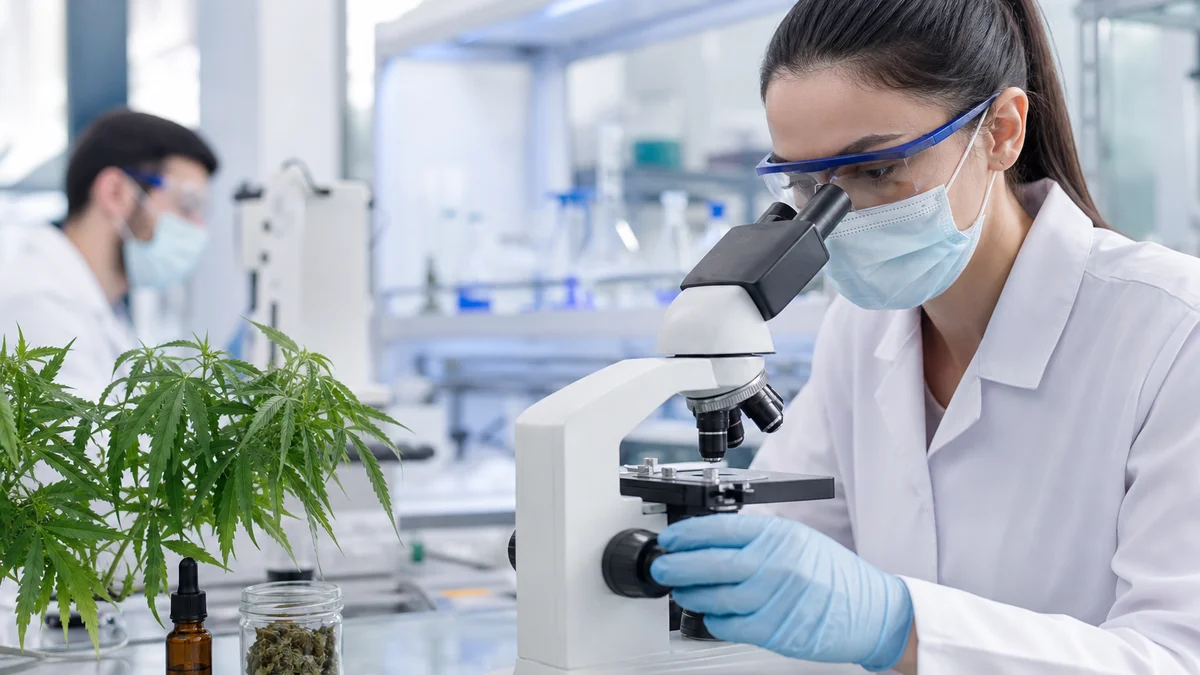
The Lexington opening comes just weeks after the state's first dispensary began operations, and coincides with Bison Infused in Dayton becoming Kentucky's inaugural licensed processor. The timing means patients now have access to the complete supply chain—cultivation, processing, laboratory testing, and retail sales—for the first time since the program's inception.
Kentucky's medical cannabis rollout has moved faster than many observers expected. The state legislature passed enabling legislation in 2023, and regulators issued the first licenses in late 2024. But the rapid expansion from one to two dispensaries, combined with processing capacity coming online, signals the program is scaling quickly.
The Infrastructure Gap
Most new medical programs face a common problem: dispensaries open before there's enough locally-processed product to stock shelves. Kentucky appears to have avoided that bottleneck. Bison Infused's opening means manufacturers can now produce edibles, tinctures, and concentrates from Kentucky-grown cannabis, rather than relying solely on flower products or out-of-state processing agreements where permitted.
The Lexington market represents a strategic expansion. While the first dispensary served northern Kentucky near Cincinnati, Speakeasy brings access to the state's second-largest metro area. Lexington's Fayette County has roughly 323,000 residents, and the dispensary's location positions it to serve surrounding counties in the Bluegrass region.
Kentucky's qualifying conditions include cancer, chronic pain, epilepsy, multiple sclerosis, and PTSD, among others. Early patient registration numbers haven't been released, but the decision to open a second dispensary this quickly suggests demand is strong.
What Comes Next
The state's Office of Medical Cannabis has indicated additional license applications are under review. Industry sources expect at least three more dispensaries to open before summer, with processors and cultivators also expanding capacity.
Kentucky's medical program doesn't include home cultivation provisions, making the dispensary network the only legal access point for patients. That creates both opportunity and pressure—operators have a captive market, but they're also under scrutiny to keep products available and prices competitive.
The program's quick ramp-up contrasts with neighboring states that took years to build out similar infrastructure. Ohio's medical program, for comparison, took nearly two years from enabling legislation to the first dispensary opening. Kentucky compressed that timeline significantly, though questions remain about whether supply can keep pace with patient demand as registration grows.
This article is based on original reporting by ganjapreneur.com.