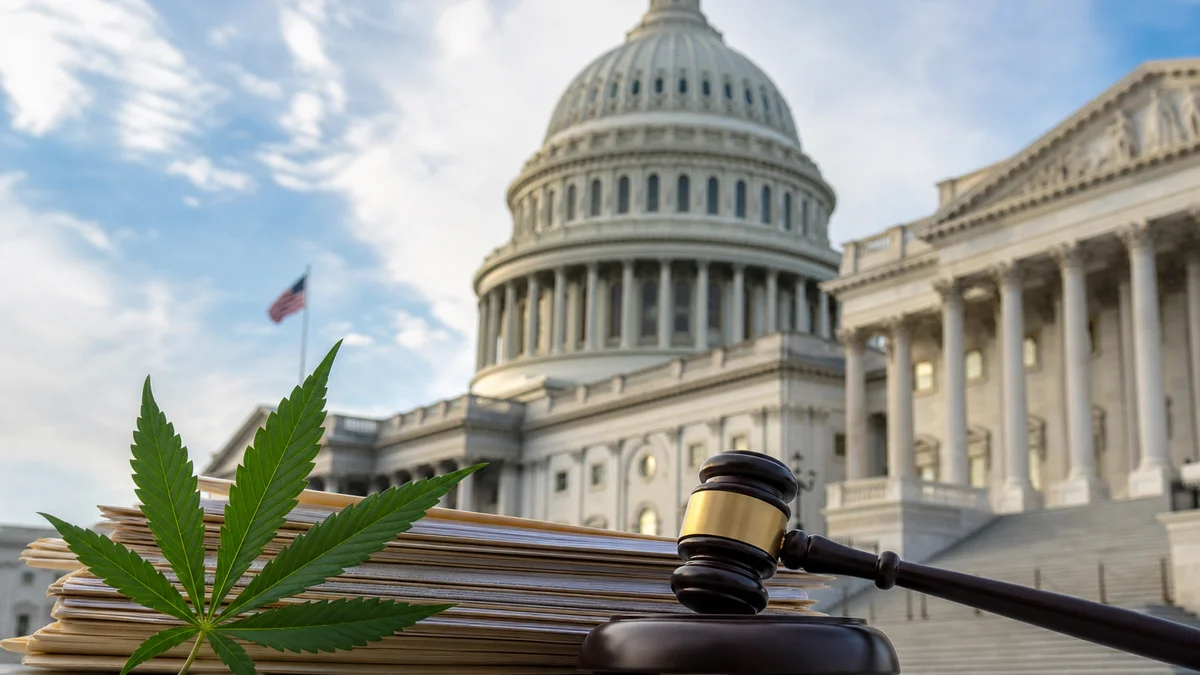



The Kaiser Family Foundation has launched a comprehensive tracking tool to monitor mental health and substance use policy changes under the Trump administration, including the pending reclassification of marijuana from Schedule I to Schedule III.
The database comes as the cannabis industry awaits final action on the DEA's proposed rescheduling rule, which has been under review since last year. KFF's tracker will document policy developments across multiple agencies, providing real-time updates on regulatory changes that affect both medical cannabis access and broader drug policy reform.
The timing reflects growing uncertainty in Washington over the pace of cannabis reform. While the Biden administration initiated the rescheduling process following a Health and Human Services recommendation in August 2023, the transition to a new administration has left stakeholders wondering about the timeline for implementation.
What the Tracker Monitors
KFF's tool covers federal actions across the Department of Health and Human Services, the Drug Enforcement Administration, and other agencies with jurisdiction over substance use policy. The database tracks executive orders, regulatory changes, and agency guidance that could reshape how cannabis is treated under federal law.
For the cannabis industry, the Schedule III designation would represent the most significant federal policy shift since the Controlled Substances Act was enacted in 1970. Rescheduling would allow state-licensed cannabis businesses to claim standard tax deductions under Section 280E of the tax code, potentially saving the industry billions annually.
But it wouldn't legalize cannabis federally or resolve banking access issues that continue to plague operators in 38 medical and 24 adult-use states.
Industry Implications
Cannabis trade groups have pushed for clarity on the rescheduling timeline, with some expressing concern that political transitions could delay or derail the process. The DEA received more than 43,000 public comments during its notice period, with the majority supporting rescheduling or outright descheduling.
"Policy tracking tools like this are essential for an industry operating in regulatory limbo," said one cannabis policy analyst who requested anonymity to speak freely about federal matters. "We need transparency on where these decisions stand."
The tracker also monitors related substance use policies that could affect how medical cannabis is prescribed and studied. Changes to research restrictions, for instance, could accelerate clinical trials that examine cannabis as a treatment for conditions like PTSD, chronic pain, and opioid use disorder.
What's Next
The DEA has not announced a timeline for finalizing its rescheduling decision. Legal experts suggest the process could extend into 2025 as the agency reviews public comments and coordinates with the White House Office of Management and Budget.
Meanwhile, congressional efforts to pass comprehensive cannabis reform legislation remain stalled, with bills like the SAFER Banking Act failing to advance despite bipartisan support. That legislative gridlock has made administrative actions like rescheduling the most viable path forward for federal policy change.
KFF's tracker will be updated as new policy actions are announced, providing stakeholders with a centralized resource for monitoring developments that could reshape the cannabis industry's regulatory landscape.
This article is based on original reporting by www.kff.org.