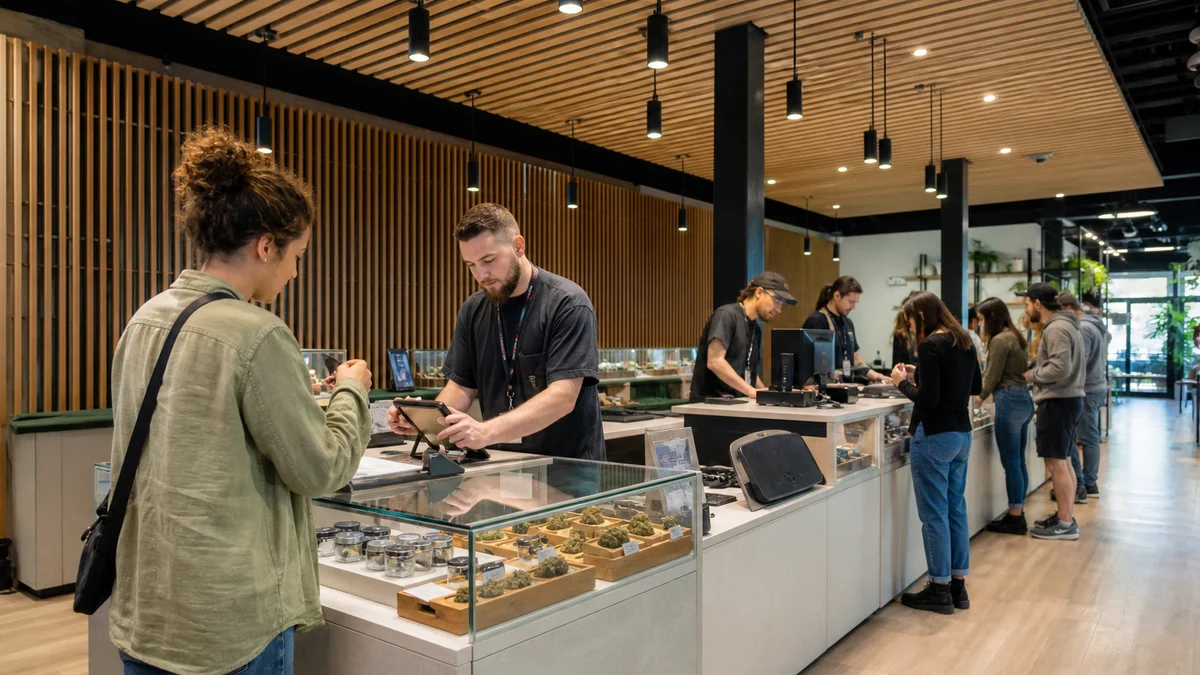

Kentucky's medical cannabis program reached a key operational threshold this week, with half of all licensed dispensaries now serving patients, according to Gov. Andy Beshear.
The Democratic governor's office reported that 25,000 residents have registered for medical cannabis cards since the program launched earlier this year—more than twice the initial patient count. The milestone comes roughly six months after Kentucky became the latest state to transition from medical cannabis prohibition to regulated access.
Beshear's announcement, first reported by LINK nky, signals faster-than-expected market development in a state where medical cannabis faced decades of legislative resistance before passage in 2023.
The Numbers
Kentucky initially licensed approximately 48 dispensaries statewide, meaning roughly 24 locations are now operational. The state issued licenses in waves, with the first dispensaries opening in January 2025 after a lengthy application and vetting process.
The 25,000 registered patients represent a significant uptake for a newly launched program. For comparison, neighboring Ohio—which started its medical program in 2019—took nearly two years to reach similar patient registration numbers. Kentucky's population of 4.5 million gives it a current patient participation rate of approximately 0.5%.
State data shows qualifying conditions include chronic pain, PTSD, cancer, and epilepsy. Unlike some medical programs, Kentucky does not allow home cultivation, making dispensary access critical for patient participation.
Market Development
The dispensary rollout has concentrated in Kentucky's urban centers, with Louisville and Lexington seeing the highest density of openings. Rural counties—particularly in eastern Kentucky—still lack nearby access, though state regulators reserved licenses specifically for underserved regions.
Industry observers note Kentucky's licensing structure favored in-state applicants and small business owners over multi-state operators, creating a more localized market than states like Illinois or Massachusetts. Several license holders are pharmacists or healthcare professionals who pivoted into cannabis retail.
But supply chain challenges persist. Kentucky requires all medical cannabis to be grown in-state, and cultivation facilities faced their own startup delays. Some dispensaries that opened in January reported limited product selection during their first weeks of operation.
What's Next
The remaining licensed dispensaries are expected to open throughout 2025, though no official timeline exists. Some license holders are still securing real estate or finalizing local zoning approvals, which vary by municipality.
Kentucky's program prohibits smokable flower—patients can only access tinctures, oils, and other non-combustible forms. That restriction, unusual among medical states, remains a point of contention. Some lawmakers have indicated they'll revisit the flower ban during the next legislative session.
Patient advocates say the 25,000 registration figure likely understates actual demand, as some Kentuckians still travel to neighboring states with recreational programs rather than navigate the medical card process. Illinois and Ohio both border Kentucky and allow adult-use purchases.
The governor's office has not released revenue data from the operational dispensaries, though sales figures will become public once the state comptroller issues quarterly reports. Early estimates from industry analysts projected Kentucky's medical market could reach $200 million in annual sales by year three.
This article is based on original reporting by ganjapreneur.com.