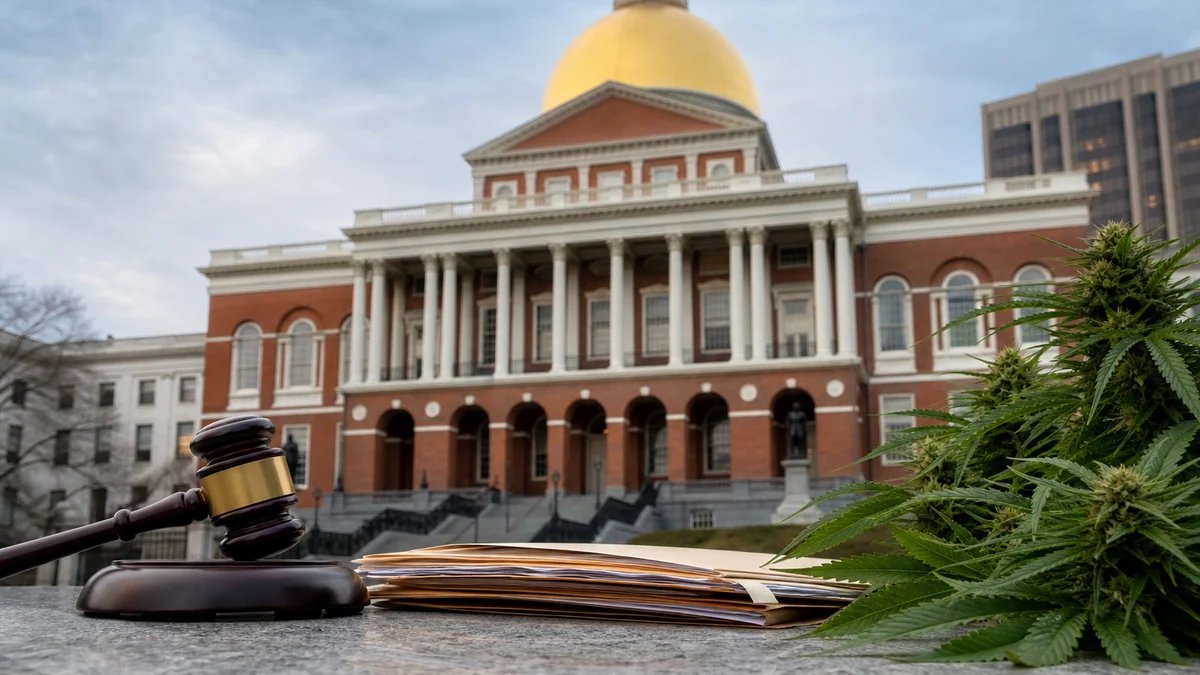



Rep. Dina Titus, a Nevada Democrat and co-chair of the Congressional Cannabis Caucus, is urging the Biden administration's drug czar to support full federal marijuana legalization rather than just rescheduling.
In a public statement, Titus emphasized that cannabis policy should be based on scientific evidence rather than outdated stigmas. She argued that President Trump's rescheduling order rescheduling cannabis from Schedule I to Schedule III, while a step forward, doesn't go far enough.
"True reform requires not just rescheduling but a complete overhaul of current marijuana laws," Titus said.
Rescheduling vs. Legalization
The distinction matters. Rescheduling marijuana to Schedule III would:
- Acknowledge medical value
- Allow tax deductions for cannabis businesses (eliminating 280E burden)
- Ease research restrictions
- Potentially improve banking access
But it would NOT:
- Federally legalize recreational cannabis
- Allow interstate commerce
- Remove DEA regulation
- Eliminate federal-state conflicts
Full legalization would deschedule cannabis entirely, treating it more like alcohol or tobacco—regulated but not classified as a controlled substance.
Scientific Basis
Titus's appeal to "scientific evidence" references growing research supporting cannabis medical applications and questioning its Schedule I classification as having "no accepted medical use."
Studies have documented cannabis benefits for chronic pain, chemotherapy-induced nausea, epilepsy, PTSD, and other conditions. Meanwhile, cannabis's safety profile compares favorably to many legal substances including alcohol, tobacco, and prescription opioids.
The incoming drug czar will help shape federal cannabis policy, making the position's stance on legalization versus rescheduling significant for the industry.
Nevada Context
Nevada legalized recreational cannabis in 2017 and has a mature market generating substantial tax revenue. Titus represents a district where cannabis is an economic contributor, giving her political incentive to advocate for reform.
She co-chairs the Cannabis Caucus—a bipartisan group of House members supporting marijuana policy reforms. The caucus includes both Democrats and Republicans, though Democrats generally push for more comprehensive changes.
What's Next
The Biden administration has indicated support for cannabis decriminalization and rescheduling but hasn't fully embraced legalization as policy. Whether the drug czar responds to Titus's call for more comprehensive reform remains to be seen.
For the cannabis industry, the debate reflects ongoing tension between incremental policy changes and transformative reform. Some prefer the rescheduling path as more achievable politically, while others argue that only full legalization addresses the core issues.
This article is based on original reporting by Marijuana Moment.