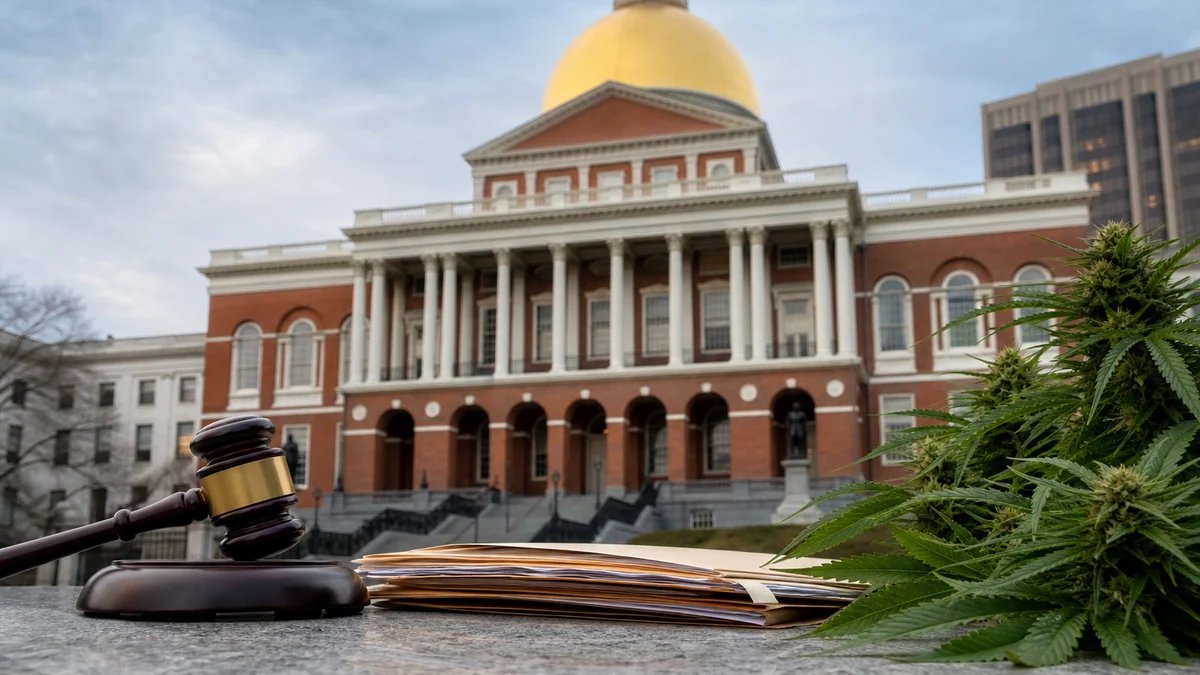


President Trump's executive order rescheduling marijuana could finally enable Washington D.C. to launch recreational cannabis sales, resolving a decade-long stalemate created by congressional interference.
D.C. voters approved recreational marijuana in 2014, but Congress blocked the district from implementing a regulated retail market using its authority over D.C.'s budget and laws.
If cannabis moves from Schedule I to Schedule III, some legal experts believe the congressional restrictions would no longer apply.
D.C.'s Unique Situation
Unlike states, which have sovereignty over internal policies, Washington D.C. operates under congressional oversight. Congress can block D.C. laws, control its budget, and interfere in local governance.
After D.C. voters approved Initiative 71 legalizing recreational cannabis possession and home cultivation, Congress inserted budget riders prohibiting the district from spending money to implement a regulatory framework for sales.
This created a legal grey area: adults can possess and grow cannabis, but there's no legal way to purchase it. "Gift economies" emerged where consumers paid for items like stickers or t-shirts and received cannabis as a free "gift"—a workaround that operates in legal ambiguity.
How Rescheduling Might Help
The congressional budget restrictions specifically referenced Schedule I substances. If cannabis moves to Schedule III, the legal basis for the restrictions could disappear.
D.C. officials have a regulatory framework ready to implement once barriers are removed. The district could potentially launch licensed sales relatively quickly compared to states building programs from scratch.
D.C.'s market would be modest in size given its small population, but it could generate significant tax revenue for the district and create a legally compliant alternative to the current grey market.
Remaining Obstacles
Congressional opponents of D.C. cannabis sales could potentially insert new restrictions based on Schedule III status, though the political dynamics might be different than with Schedule I.
And rescheduling itself isn't final—the DEA is still reviewing public comments on the proposed change. Timeline for implementation remains uncertain.
Impact if Sales Launch
Licensed D.C. cannabis sales would:
- Generate tax revenue for the district
- Create regulated, tested products replacing grey market alternatives
- Establish jobs in cultivation, processing, testing, and retail
- Provide a model for other federally administered jurisdictions
The district's central location and transient population (including tourists and commuters from Maryland and Virginia) could make the market larger than raw population suggests.
This article is based on original reporting by Marijuana Moment.