

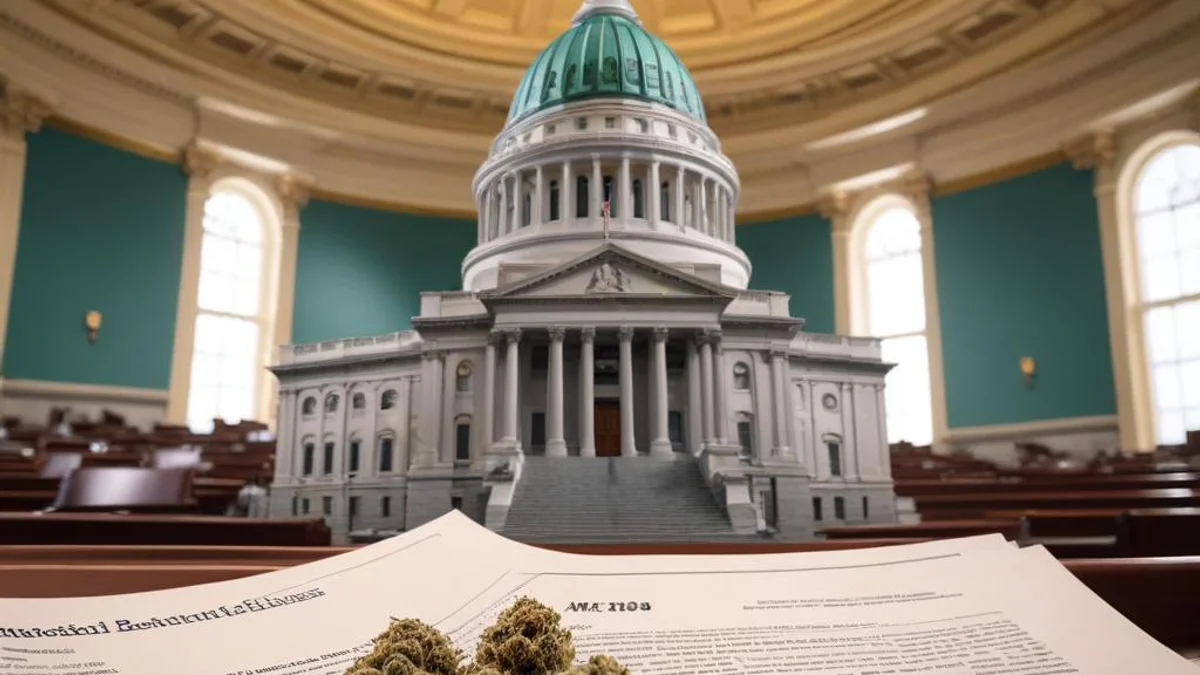
A Massachusetts health advocacy organization is drawing renewed attention to the state's 2016 recreational cannabis legalization, raising questions about implementation and public health impacts nearly a decade after voters approved the measure.
The Coalition for a Healthy Massachusetts has emerged as a vocal critic of the state's adult-use cannabis program, which launched following a successful ballot initiative in November 2016. Question 4 passed with 53.7% support, authorizing adults 21 and older to possess, use, and cultivate limited amounts of cannabis.
The coalition's renewed focus comes as Massachusetts regulators continue to expand the state's cannabis infrastructure. The Cannabis Control Commission currently oversees more than 400 licensed retailers across the commonwealth, with total sales exceeding $5.4 billion since the first adult-use stores opened in November 2018.
Implementation Challenges
Massachusetts took nearly two years to transition from voter approval to operational dispensaries. The delay stemmed from regulatory framework development, municipal opt-in requirements, and social equity provisions designed to address communities disproportionately impacted by prior prohibition.
Local control has remained a contentious issue. More than 200 of the state's 351 municipalities have opted out of allowing adult-use cannabis businesses, creating geographic disparities in access and concentrating retail activity in permissive communities.
The state's social equity program has faced particular scrutiny. While designed to prioritize license applicants from communities with high rates of cannabis-related arrests, implementation has been slower than advocates hoped. As of December 2024, economic empowerment applicants represented roughly 18% of licensed retailers.
Public Health Debate
Health advocacy groups have pointed to youth usage rates and impaired driving concerns as ongoing challenges. State data shows cannabis-related emergency department visits increased 38% between 2017 and 2023, though hospitalizations remain far below alcohol-related incidents.
But cannabis industry representatives argue the legal market has succeeded in displacing illicit sales and generating substantial tax revenue. Massachusetts collected $186 million in cannabis excise taxes in fiscal year 2024, with funds allocated to municipalities, public health initiatives, and regulatory oversight.
The state applies a 10.75% excise tax on retail sales, plus the standard 6.25% sales tax. Municipalities can add local taxes up to 3%, bringing the maximum total tax rate to 20%.
Regional Context
Massachusetts was the first state on the East Coast to launch adult-use sales, creating a template for neighboring states. Connecticut, Rhode Island, and New York have since implemented their own recreational programs, while New Hampshire continues to debate legalization despite being surrounded by legal states.
The commonwealth's market has matured significantly since 2018. Average retail prices have declined from roughly $400 per ounce to $250-$300, reflecting increased competition and supply. Product diversity has expanded beyond flower to include concentrates, edibles, and topicals, with vaporizer cartridges now representing the second-largest category by sales volume.
What's Next
State legislators are considering several cannabis-related bills in the current session, including measures to address banking access, employment protections, and social consumption venues. The Cannabis Control Commission has also proposed expanded delivery licenses and potential interstate commerce provisions pending federal rescheduling.
The Coalition for a Healthy Massachusetts has not announced specific legislative proposals but continues to monitor implementation and advocate for stricter regulations on marketing and potency limits.
As the eighth anniversary of legalization approaches, Massachusetts serves as a case study for mature recreational markets. The state's experience with municipal opt-outs, social equity challenges, and tax revenue generation informs policy debates in states considering similar measures.
This article is based on original reporting by x.com.