
Cannabis beverage manufacturers are moving into the premium cocktail space, putting THC-infused drinks in more direct competition with alcohol. A new wave of products built for home mixologists pairs hemp-derived THC with craft cocktail ingredients, aimed at consumers who want a social drink without alcohol's side effects.
Cannabis beverages are among the industry's fastest-growing product categories. Infused beverage sales reached $387 million in 2023 across tracked markets, up 27% year over year, according to BDSA analytics.
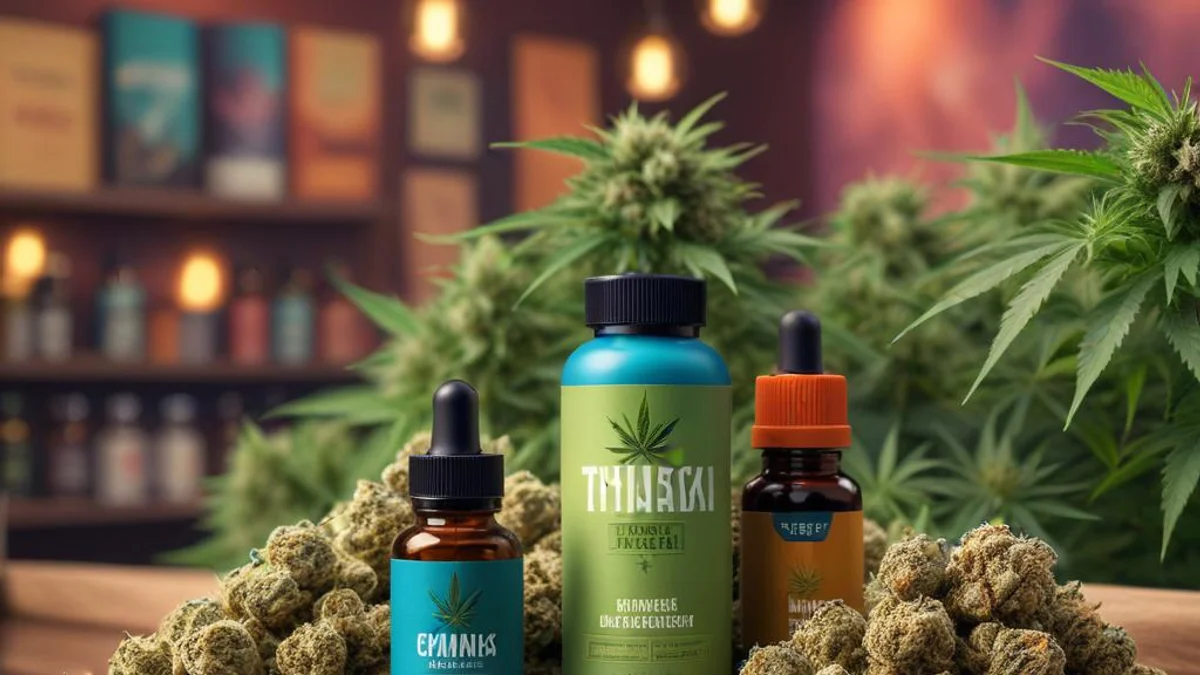
Several brands now sell their products as cocktail mixers rather than standalone drinks: THC-infused simple syrups, bitters and pre-mixed cocktail bases modeled on traditional bar ingredients. Most contain 2.5-10mg of THC per serving, doses meant to mimic the social effect of one or two alcoholic drinks.
Aiming at the premium shelf
Rather than competing on convenience or discretion, brands are leaning on taste and mixology culture. Current offerings include espresso martini bases, sour mixes with black currant and botanical-forward tonic blends.
Industry analysts say the segment targets a specific demographic: affluent consumers aged 25-45 who already understand cannabis dosing and want an alternative to alcohol. "The numbers tell the story: consumers willing to pay $8-12 for a single-serve THC cocktail mixer represent the premium end of the market," according to beverage industry tracking data.
Retail placement has shifted too. The products show up more often in specialty food stores and upscale dispensaries than in traditional cannabis retail. Some brands run dual-market strategies, selling hemp-derived THC versions in states without adult-use programs.
The hangover pitch
The marketing leans on a single selling point: none of alcohol's downsides. Materials promise no hangovers, no empty calories and precise dosing control.
That pitch faces regulatory scrutiny. The FDA is still evaluating hemp-derived THC products, and several states have moved to restrict or ban intoxicating hemp cannabinoids. The uncertainty hasn't slowed product development, though it may limit where the drinks can be sold.
The alcohol industry has taken notice. Constellation Brands, Molson Coors and Anheuser-Busch InBev have all invested in or partnered with cannabis beverage manufacturers over the past five years. Those bets suggest the big alcohol companies see the category as complementary rather than purely competitive.
Headwinds
The segment still faces obstacles despite the growth. Most products cost considerably more per serving than an equivalent alcoholic cocktail. Distribution is another problem in markets where cannabis beverages can't get into traditional alcohol retail channels.
Product development continues anyway. Launches scheduled for summer 2024 include THC-infused wine alternatives, zero-calorie cocktail mixers and products that pair THC with adaptogens or nootropics for specific effects.
Whether the category catches on beyond cannabis enthusiasts is the open question. Early sales data suggests crossover appeal is limited so far, with most purchases coming from existing cannabis consumers rather than alcohol switchers. Market researchers project the segment needs to capture 2-3% of the cocktail market to be viable as a mainstream category, a threshold that is years away at current penetration rates.
This article is based on original reporting by hightimes.com.