
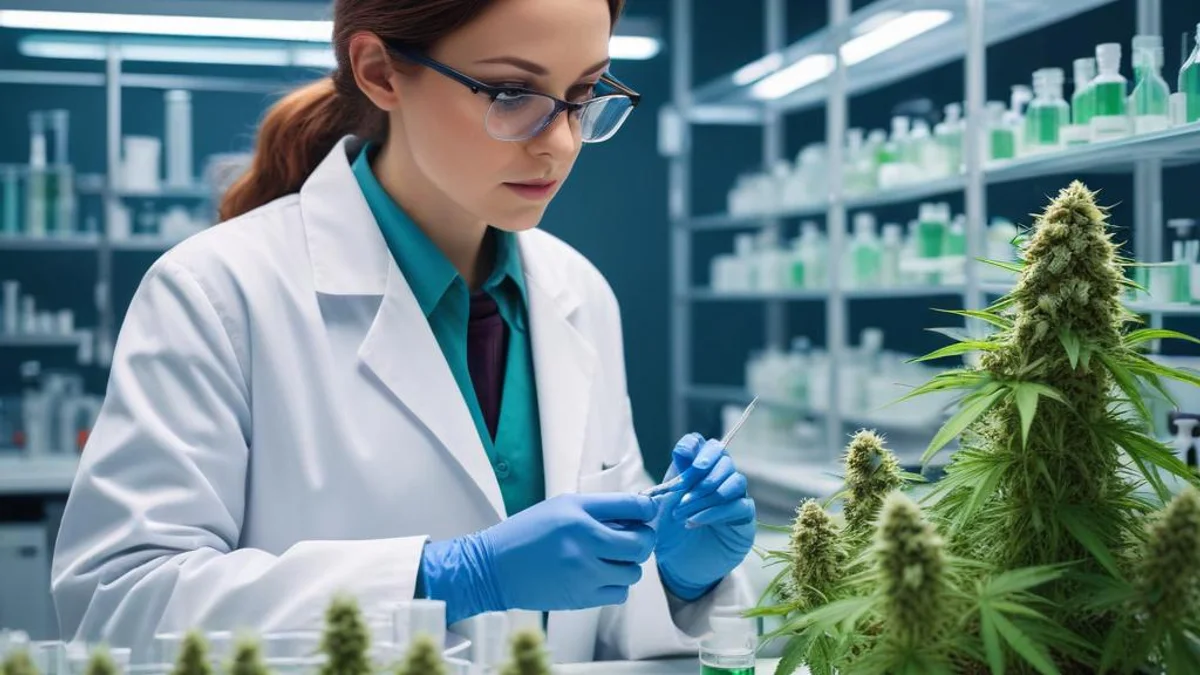
A cannabis-specialized psychiatrist is offering guidance on how marijuana can help manage the physiological stress response triggered by high-stakes sporting events—while warning that improper use can make anxiety worse.
The medical perspective comes as more consumers report using cannabis products to manage stress during intense viewing experiences. According to the psychiatrist quoted in the analysis, watching a World Cup match activates the same stress pathways as an actual threat, flooding the body with cortisol and triggering fight-or-flight responses.
"Your nervous system doesn't distinguish between real danger and perceived danger," the expert explained. "When your team is down by one goal with minutes left, your body reacts as if you're facing a physical threat."
The Science Behind the Stress
The psychiatrist broke down the specific mechanisms at play. During high-tension matches, viewers experience elevated heart rates, shallow breathing, and muscle tension—all hallmarks of acute stress responses. For some viewers, these symptoms can escalate into full panic attacks, particularly during penalty shootouts or close final minutes.
The numbers tell the story: cortisol levels can spike by 30-40% during intense sporting events, comparable to moderate workplace stress. But the psychiatrist emphasized that cannabis isn't a one-size-fits-all solution.
THC's anxiety-reducing effects depend heavily on dosage and individual tolerance. Low doses (2.5-5mg) may reduce anxiety for some users, while higher doses can paradoxically increase paranoia and racing thoughts—exactly what stressed viewers don't need.
The CBD Component
CBD emerged as the more reliable option in the expert's analysis. The non-intoxicating cannabinoid works through different mechanisms than THC, modulating serotonin receptors without the psychoactive effects that can amplify anxiety.
Market watchers note that CBD sports products have grown into a $400 million segment, with many products specifically marketed for performance anxiety and stress management. The psychiatrist recommended CBD doses of 15-30mg taken 30-60 minutes before kickoff.
But cannabis alone isn't the answer. The expert stressed that breathing techniques, proper hydration, and watching with supportive friends all play crucial roles in managing stress responses. "Cannabis can take the edge off," they said, "but if you're already prone to anxiety and you take too much THC while watching alone in a dark room, you're setting yourself up for problems."
Industry Implications
The guidance reflects a broader shift in how medical professionals approach cannabis recommendations. Rather than blanket endorsements or prohibitions, specialists are offering nuanced, context-specific advice—an approach that could help legitimize cannabis in mainstream medical practice.
Cannabis companies have increasingly targeted sports fans, with sponsorship deals in professional leagues and products marketed for game-day use. The psychiatrist's warnings about dosage and setting could inform how companies develop and market these products.
For consumers planning to use cannabis during high-stress viewing, the expert recommended starting with CBD-dominant products, keeping THC doses low if used at all, and combining cannabis with proven anxiety-management techniques like box breathing and staying hydrated.
The advice arrives as global sporting events continue to attract massive audiences—and as cannabis becomes more socially acceptable for managing everyday stress and anxiety.
This article is based on original reporting by hightimes.com.