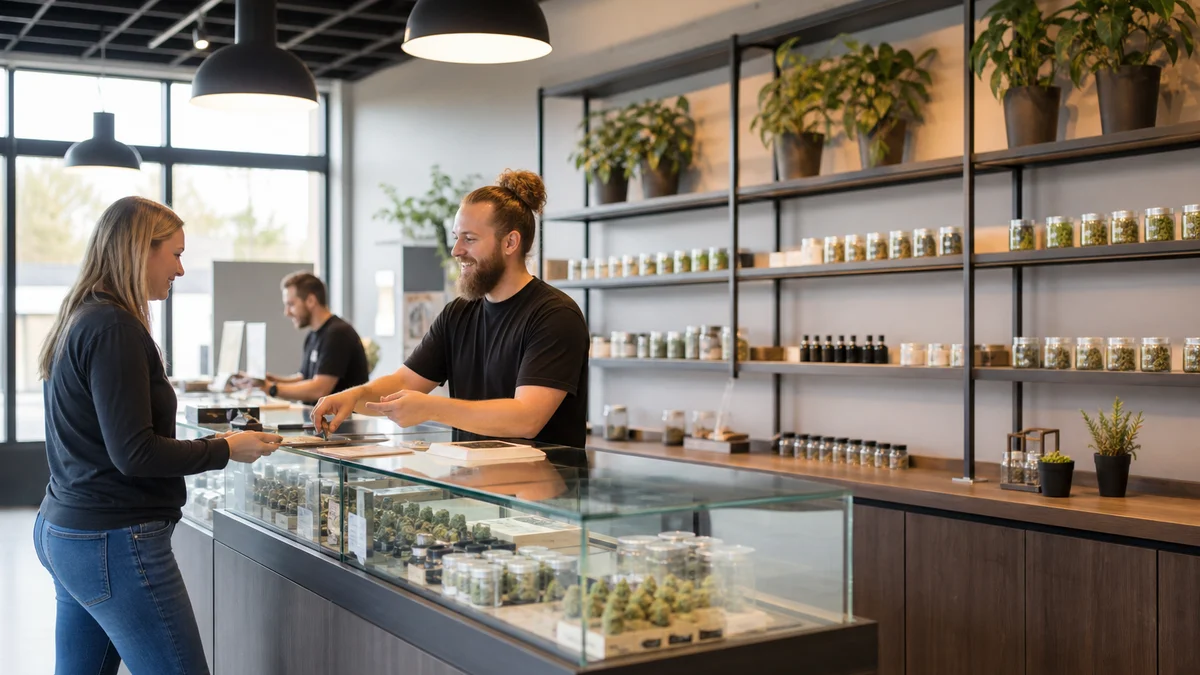

More than 100 Alabama patients purchased medical cannabis during the first week of legal sales, according to the Alabama Medical Cannabis Commission's Thursday announcement.
The milestone comes after the state's first dispensary opened its doors, marking the culmination of years of legislative work and regulatory delays. Commission officials reported the figure at their weekly meeting, though they did not disclose total sales revenue or product volume.
"Our store manager saw a patient walking out, and as silly as it sounds, they jumped and clicked their heels," said one dispensary employee, describing the scene. "Yeah, they were that happy about having that medicine."
The Program's Launch
Alabama became the 37th state to legalize medical marijuana when lawmakers passed legislation in 2021. But the program faced repeated setbacks, including licensing disputes and supply chain complications that pushed the launch date back multiple times.
The state's medical cannabis law covers 15 qualifying conditions, including cancer, chronic pain, PTSD, epilepsy, and Crohn's disease. Patients must obtain a recommendation from a certified physician and register with the commission before purchasing from licensed dispensaries.
Smokable flower remains prohibited under Alabama's program. Patients can access tinctures, capsules, gummies, and other non-combustible forms.
What the Numbers Mean
The 100-patient figure represents a modest but significant start for a conservative Southern state with no prior medical marijuana infrastructure. By comparison, Arkansas served over 1,000 patients in its first week of sales in 2019, while Mississippi's program saw similar early adoption rates when it launched in 2022.
Industry observers note that first-week sales typically reflect pent-up demand from patients who have been waiting months or years for legal access. The real test comes in subsequent months as the program settles into regular operations.
The commission has approved multiple dispensary licenses across the state, though only one facility has begun operations so far. Additional locations are expected to open in the coming weeks as they complete final inspections and inventory requirements.
Growing Pains Ahead
Alabama's medical cannabis program still faces challenges. The state has a limited number of cultivation licenses, raising questions about whether supply can meet demand as more dispensaries open. Product pricing has not been publicly disclosed, but patients in newly launched programs often face higher costs due to limited competition.
The commission continues to process applications for additional licenses and has scheduled regular meetings to address operational issues as they arise. State regulators have emphasized their commitment to patient access while maintaining strict oversight of the medical program.
For now, the early sales figures suggest Alabama patients are eager to participate in the legal market, even with the program's restrictions and limited availability.
This article is based on original reporting by www.marijuanamoment.net.