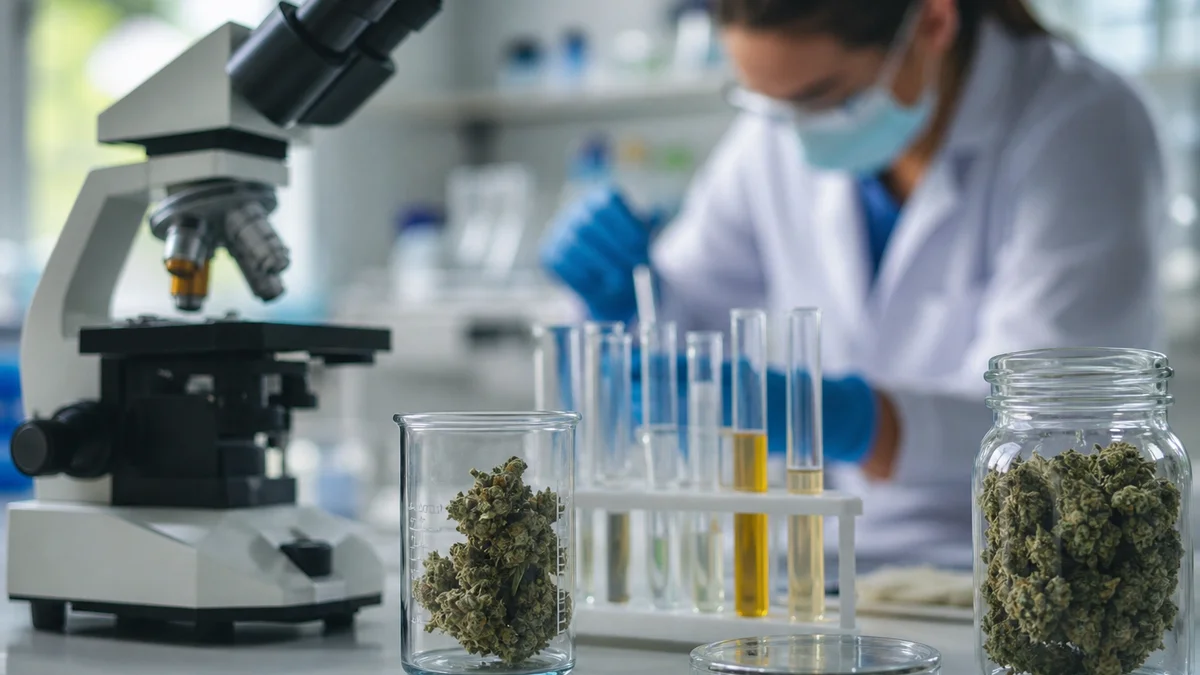
Researchers at Johns Hopkins University found that 25 mg of oral THC produced altered-state experiences similar to those from an equivalent dose of psilocybin when participants consumed the cannabis compound in a controlled, psychedelic-research-style setting.
The pilot study, limited to four participants, measured subjective effects using standardized scales typically applied to classic psychedelics. While the sample is too small to draw definitive conclusions, the data point to an emerging question in psychopharmacology: Can THC function as a psychedelic under the right conditions?
"This builds on earlier work suggesting that cannabis experiences vary dramatically based on dose, environment, and individual psychology," said researchers familiar with the study design. The 25 mg dose is roughly five times higher than a typical recreational edible serving in regulated markets, which usually contain 5-10 mg of THC.
The Study Design
Participants consumed THC in a setting modeled on Johns Hopkins' well-established psilocybin research protocols. That means a quiet, comfortable room with minimal external stimuli, trained facilitators present throughout, and participants instructed to focus inward rather than engage with entertainment or conversation.
The researchers used the Mystical Experience Questionnaire and other validated instruments to measure effects. Scores on dimensions like unity, transcendence of time and space, and ineffability showed overlap with psilocybin sessions at the same 25 mg dose level.
But the study's four-person size prevents any broad claims. Johns Hopkins has run psilocybin trials with hundreds of participants over two decades. This THC work is preliminary.
Context Matters
The cannabis industry has long debated whether high-dose THC products belong in the same conversation as emerging psychedelic therapies. Oregon and Colorado now regulate both psilocybin services and adult-use cannabis, creating regulatory overlap that some operators find confusing.
Research from the 1970s documented psychedelic-like effects from oral THC at doses above 20 mg, but those studies fell out of favor as cannabis science shifted toward lower-dose medical applications and strain-specific terpene research. The current pilot revives that line of inquiry with modern neuroimaging and psychological assessment tools.
"Set and setting" has become a mantra in psychedelic research. The same compound can produce radically different experiences depending on the user's mindset and physical environment. This study suggests THC may be more sensitive to those variables than the cannabis industry typically acknowledges.
What This Means for Cannabis Medicine
Johns Hopkins has been at the center of the psychedelic renaissance, with FDA Breakthrough Therapy designations for psilocybin in treatment-resistant depression. If THC can reliably produce similar subjective states, it may open new therapeutic applications beyond the anxiety, pain, and sleep disorders where cannabis already shows efficacy.
But translating a four-person pilot into clinical practice requires replication with larger samples, dose-response curves, and safety data. The psychedelic therapy model involves extensive preparation and integration sessions with trained therapists. Most cannabis consumers use the plant casually, without professional support.
Pharmacological research also needs to account for tolerance. Regular cannabis users may not experience psychedelic-like effects from 25 mg of THC, while naive users could find that dose overwhelming. The pilot study did not specify participants' prior cannabis exposure.
Next Steps
Johns Hopkins researchers indicated that follow-up studies with larger cohorts are in the planning stages. Those trials would likely compare THC to psilocybin head-to-head, test different dose levels, and explore whether the effects persist across multiple sessions.
The cannabis industry watches this research closely. If high-dose THC products gain traction as psychedelic alternatives, regulatory frameworks may need to distinguish between casual-use edibles and therapeutic-dose formulations requiring medical supervision.
For now, the pilot adds one more data point to a decades-old question about cannabis' place in the psychedelic family. The answer depends on how you dose it, where you take it, and what you're looking for.
This article is based on original reporting by hightimes.com.