
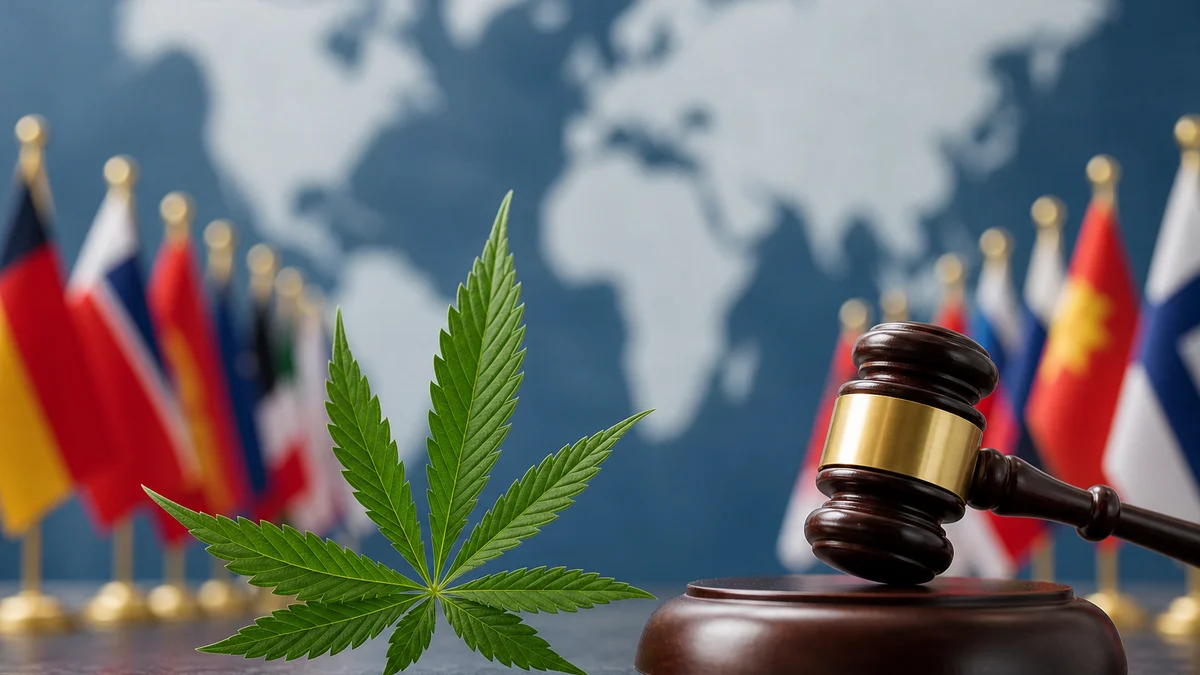
Thailand's parliament is advancing legislation that would formalize a medical-only cannabis model, marking a sharp reversal from the country's brief experiment with de facto adult-use sales that began in 2022.
The proposed bill requires licenses at every stage of the supply chain—cultivation, processing, distribution, and retail—and limits all cannabis sales to medical and research applications. Advertising and promotion would be banned entirely under the framework now moving through legislative review.
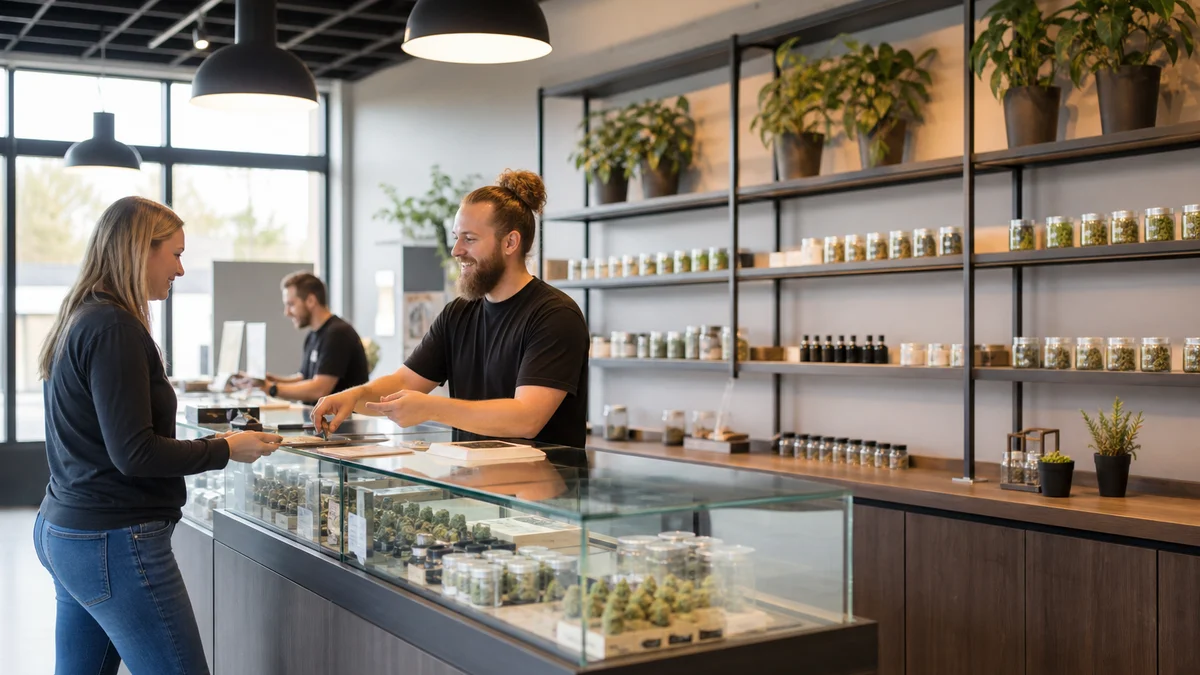
Thousands of cannabis shops that opened across Thailand after the plant was removed from the narcotics list in June 2022 face an uncertain future. The bill includes a grace period allowing existing dispensaries to operate until their current licenses expire, but most would need to secure new medical-use permits to continue business beyond that point.
What Changed Thailand's Approach
Thailand became the first Southeast Asian nation to decriminalize cannabis in 2022, but the move happened without comprehensive regulations. The resulting proliferation of recreational-style dispensaries—particularly in tourist areas like Bangkok and Phuket—drew criticism from conservative lawmakers and public health officials.
The shift toward stricter controls began after the 2023 elections brought new political leadership skeptical of broad cannabis access. Health Minister Cholnan Srikaew has repeatedly stated that the 2022 decriminalization was meant to support medical use and agricultural development, not recreational consumption.
The current bill represents the government's attempt to codify that narrower vision into law. It would establish the regulatory infrastructure that was absent when decriminalization first took effect.
Industry Faces Licensing Bottleneck
The transition period presents significant challenges for Thailand's estimated 6,000 to 9,000 cannabis retailers. Many operate as wellness shops or cafes rather than medical dispensaries, selling products to customers without prescriptions or medical documentation.
Under the new framework, these businesses would need to either partner with licensed medical practitioners, convert to research-focused operations, or exit the market. The bill does not specify the duration of the grace period or the exact requirements for medical licensing.
Cultivators and processors face similar pressures. The legislation would require separate licenses for growing, extraction, product manufacturing, and distribution—a multi-tiered system that could prove costly for smaller operators who currently handle multiple stages of production.
Regional Implications
Thailand's policy reversal comes as other Asian nations watch closely. Malaysia and South Korea have moved forward with limited medical cannabis programs, while Singapore maintains strict prohibition with severe penalties.
The Thai experience—rapid liberalization followed by regulatory tightening—may serve as a cautionary example for policymakers elsewhere in the region considering reform. It demonstrates the challenges of implementing cannabis policy changes without detailed regulatory frameworks in place.
The bill has not yet received final parliamentary approval, and the timeline for implementation remains unclear. Industry observers expect amendments during the legislative process, particularly around licensing requirements and transition timelines.
But the direction is set. Thailand's brief period as Southeast Asia's cannabis tourism destination appears to be ending, replaced by a more restrictive model that prioritizes medical access over commercial freedom.
This article is based on original reporting by hightimes.com.