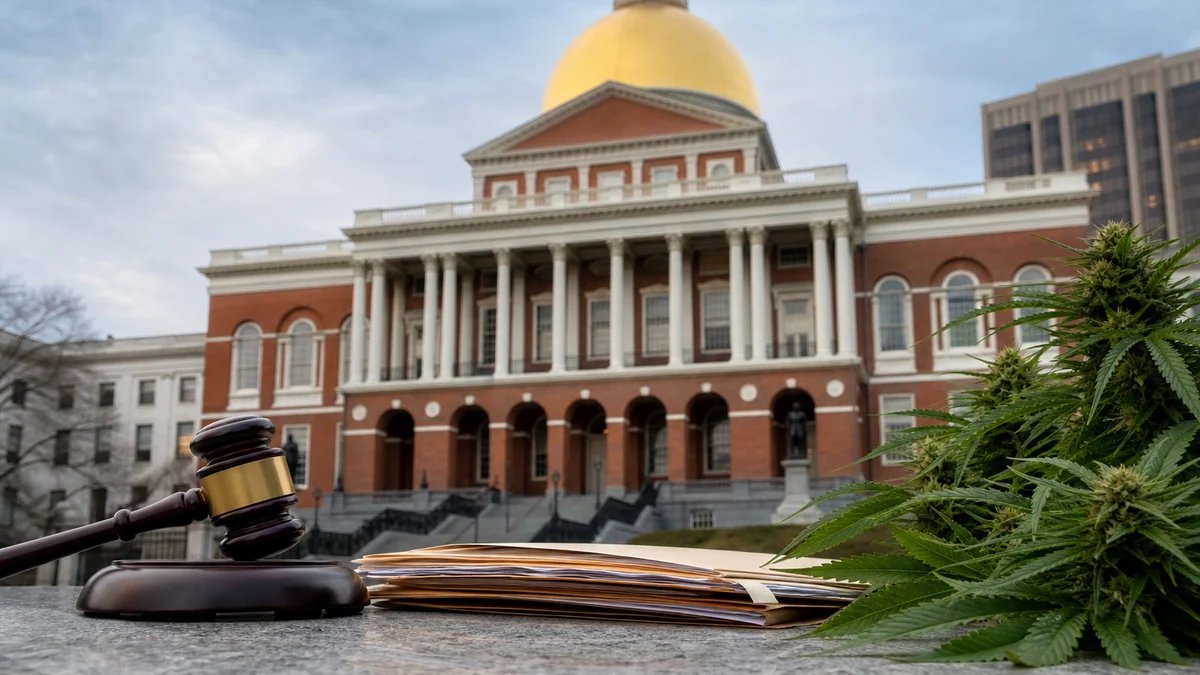


Pennsylvania's Senate voted down legislation Tuesday that would have removed medical cannabis oversight from the Department of Health and created an independent regulatory agency to manage the state's program.
The bill, sponsored by Republican Sen. Dan Laughlin, failed to advance despite bipartisan interest in reforming how Pennsylvania manages its medical marijuana system. The proposed Pennsylvania Cannabis Control Board would have consolidated regulatory authority over both medical cannabis and the rapidly expanding intoxicating hemp market.
"We need a dedicated agency that understands this industry," Laughlin said in previous committee hearings on the measure. The senator represents Erie County, where several medical dispensaries operate.
Pennsylvania launched its medical cannabis program in 2018 under Department of Health supervision. Since then, the program has grown to serve more than 400,000 registered patients and generated $3.8 billion in sales through 2023.
The Regulatory Question
The defeat leaves Pennsylvania as one of the few medical marijuana states still housing cannabis oversight within a general health department. Most states with mature programs—including neighboring New Jersey and New York—have created standalone cannabis agencies to handle licensing, compliance, and market development.
Industry advocates have pushed for the change, arguing that the Department of Health lacks specialized expertise in cannabis commerce and agriculture. The department currently manages everything from restaurant inspections to childhood vaccinations alongside the state's 180-plus dispensaries and dozens of grower-processors.
But health officials defended their track record. The department has maintained Pennsylvania's program without major compliance failures or supply disruptions, even as patient enrollment tripled between 2020 and 2023.
Hemp Adds Urgency
Laughlin's bill gained traction partly because of Pennsylvania's unregulated hemp-derived THC market. Products containing delta-8 THC and other intoxicating cannabinoids now sell in gas stations and smoke shops across the state with no age restrictions or testing requirements.
The proposed control board would have brought these products under the same regulatory framework as medical cannabis—a move supported by both licensed operators and some consumer advocates. Pennsylvania's hemp industry has exploded since federal farm bill changes in 2018, but state lawmakers have yet to pass comprehensive hemp regulations.
"You've got delta-8 gummies next to candy bars with zero oversight," said one dispensary owner who requested anonymity to avoid regulatory scrutiny. "Meanwhile, we test every batch and card every customer."
What Comes Next
The bill's failure doesn't necessarily end the conversation. Pennsylvania faces mounting pressure to address both medical cannabis reform and hemp regulation before the 2024 legislative session concludes.
Gov. Josh Shapiro has signaled openness to adult-use legalization, which would require creating new regulatory infrastructure anyway. Several Democratic lawmakers have introduced competing adult-use bills, though none have advanced to floor votes.
Laughlin could revise his proposal and reintroduce it when the legislature reconvenes. Senate leadership hasn't indicated whether cannabis reform remains a priority for the current session.
For now, Pennsylvania's medical program stays under Department of Health management—even as the state grapples with hemp products that exist in a regulatory gray zone and growing calls for broader cannabis policy changes.
This article is based on original reporting by ganjapreneur.com.