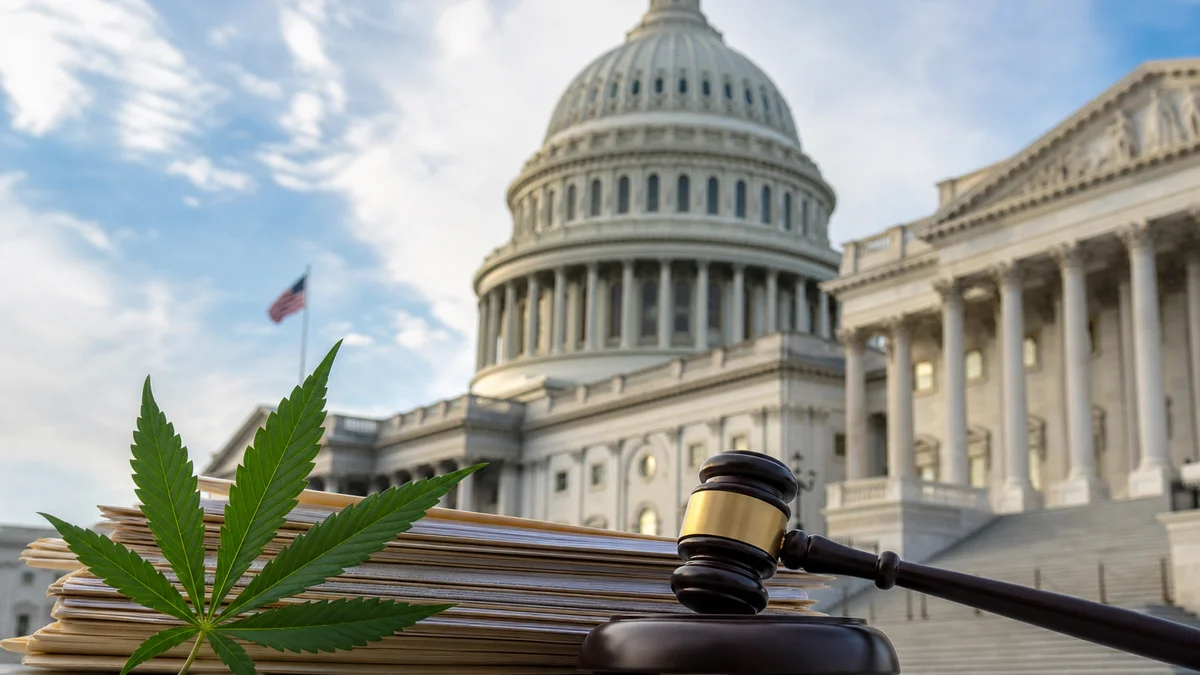

New Hampshire lawmakers delivered a decisive rebuke to Gov. Kelly Ayotte on Wednesday, overriding her veto of legislation that allows medical cannabis operators to cultivate marijuana in greenhouses.
The Senate voted 16-8 to reverse Ayotte's decision, followed by the House passing the override 257-44. Both votes exceeded the two-thirds majority required to enact the bill over the Republican governor's objections.
The measure addresses a longstanding limitation in New Hampshire's medical cannabis program, which currently restricts cultivation to indoor facilities. Industry advocates have argued that greenhouse operations reduce energy costs and environmental impact compared to traditional indoor grows that require intensive lighting and climate control systems.
The Governor's Concerns
Ayotte vetoed the bill in late March, citing concerns about outdoor visibility and potential diversion to the illicit market. Her administration argued that greenhouse structures could make cannabis plants more visible to the public and harder to secure than fully enclosed indoor facilities.
But legislative supporters dismissed those arguments as unfounded. The bill includes security requirements for greenhouse operations, and several other medical cannabis states already permit greenhouse cultivation without reported issues.
New Hampshire authorized medical cannabis in 2013 but has maintained one of the more restrictive programs in the Northeast. The state operates four licensed Alternative Treatment Centers that serve roughly 9,000 registered patients. Unlike neighboring Maine and Vermont, New Hampshire has not legalized adult-use cannabis.
Industry Impact
The override represents a rare expansion of New Hampshire's medical program, which has seen minimal changes since its inception. Cultivation costs at the state's four licensed facilities run significantly higher than in states that permit greenhouse or outdoor growing.
"Energy expenses for indoor cultivation can account for 30-40% of operating costs," said one industry analyst familiar with New Hampshire's market. "Greenhouse operations typically cut that by half or more."
The state's Alternative Treatment Centers have long pushed for cultivation flexibility. Massachusetts and Maine, both of which allow greenhouse grows in their medical programs, have demonstrated that such operations can meet security standards while reducing costs.
New Hampshire's medical cannabis market generated approximately $15 million in sales last year, a modest figure compared to neighboring states. Supporters of the greenhouse bill argue that lower production costs could translate to reduced prices for patients.
What's Next
The bill takes effect 60 days after passage, though licensed operators will need to submit greenhouse cultivation plans to the state's Therapeutic Cannabis Program for approval. The program's regulations do not currently address greenhouse specifications, so the state will need to develop new guidelines.
It remains unclear whether any of New Hampshire's four licensed facilities have immediate plans to build greenhouse operations. The upfront capital costs for greenhouse construction can run into the millions, though long-term operational savings often justify the investment.
The veto override also signals shifting political dynamics in the state legislature on cannabis policy. While New Hampshire has repeatedly rejected adult-use legalization bills, lawmakers have shown more willingness to expand medical access. A separate bill to add chronic pain as a qualifying condition is currently moving through committee.
Wednesday's vote marked only the second time this legislative session that lawmakers overrode one of Ayotte's vetoes. The governor took office in January after serving as a U.S. Senator from 2011 to 2017.
This article is based on original reporting by www.marijuanamoment.net.