

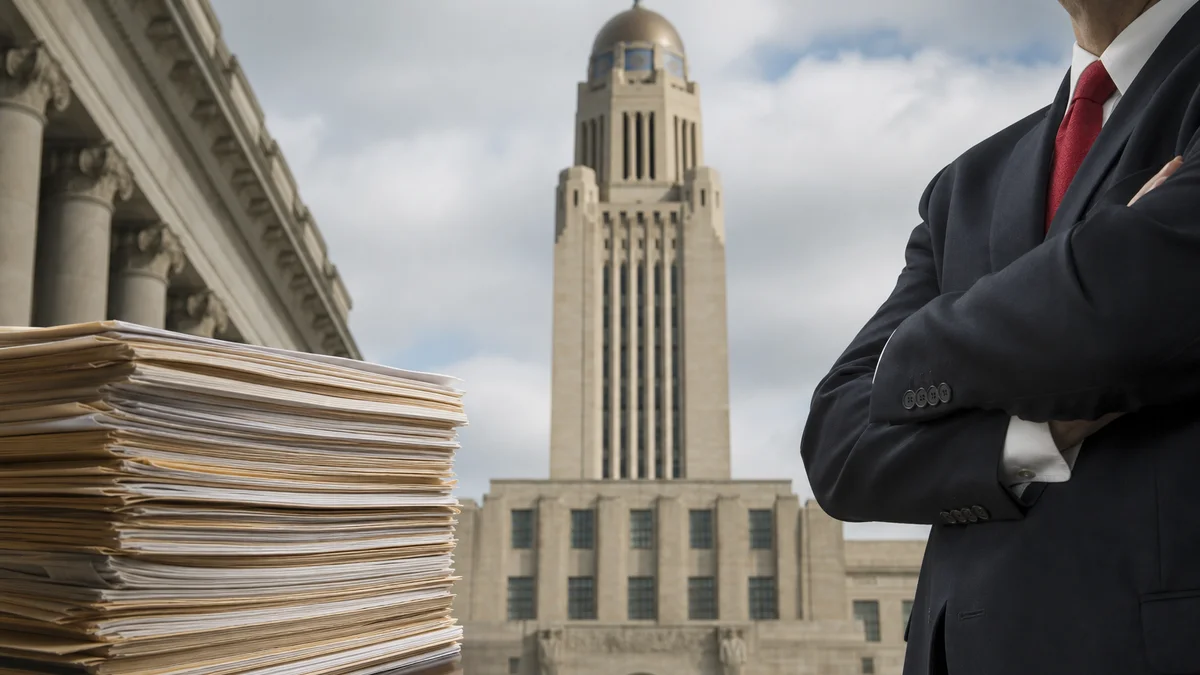
Nebraska Attorney General Mike Hilgers has issued a sweeping request for employee information and marketing materials from a Colorado-based cannabis company, though his office refuses to explain the investigation's purpose.
The demand includes sensitive personnel records and product promotional materials from the unnamed Colorado operator. Hilgers' office has declined to comment on whether the probe relates to cross-border sales concerns, advertising reach into Nebraska, or potential employment law issues.
Nebraska remains one of three states—along with Idaho and Kansas—where cannabis is fully illegal in all forms. The state has historically taken an aggressive stance toward neighboring states' legal markets, including a 2014 lawsuit against Colorado that the U.S. Supreme Court declined to hear.
Interstate Enforcement Questions
The information request raises questions about how far Nebraska's attorney general can reach into another state's legal cannabis industry. Colorado operators are required to comply with strict state regulations that prohibit interstate commerce and out-of-state marketing.
Legal experts note that while state attorneys general can issue civil investigative demands, their jurisdiction typically ends at state borders. However, if Nebraska suspects advertising or product delivery violations that affect its residents, Hilgers may argue his office has standing to investigate.
The timing coincides with Nebraska's own cannabis policy debates. Medical marijuana legalization appeared on the ballot last November, though legal challenges delayed certification of the results. Opponents have questioned signature-gathering procedures, leaving the measure's fate uncertain.
Colorado Industry on Alert
Colorado's cannabis industry has faced scrutiny from neighboring states before. Oklahoma regulators have investigated Colorado-licensed businesses with operations in both states, while Wyoming officials have raised concerns about product packaging that might appeal to minors.
The employee information request is particularly unusual. Personnel records typically contain Social Security numbers, addresses, and compensation details—data that raises privacy concerns when demanded by out-of-state authorities.
Nebraska's attorney general office did not respond to questions about whether the investigation targets a specific company or represents a broader inquiry into Colorado's cannabis industry. The office also hasn't disclosed whether it's working with federal authorities or other state enforcement agencies.
What Comes Next
Colorado's Marijuana Enforcement Division hasn't commented on whether it's aware of Nebraska's investigation or if state regulators plan to intervene. The Colorado Attorney General's office similarly declined to address whether it would challenge Nebraska's jurisdiction.
The targeted company has 30 days to respond to the civil investigative demand, according to standard procedures for such requests. Failure to comply could result in court enforcement actions, though Nebraska would need to pursue those through Colorado courts.
This development adds another layer to the ongoing tensions between prohibition states and their neighbors with legal cannabis markets. As more states legalize, attorneys general in non-legal states face pressure to demonstrate enforcement efforts—even when their jurisdiction remains limited.
This article is based on original reporting by mjbizdaily.com.