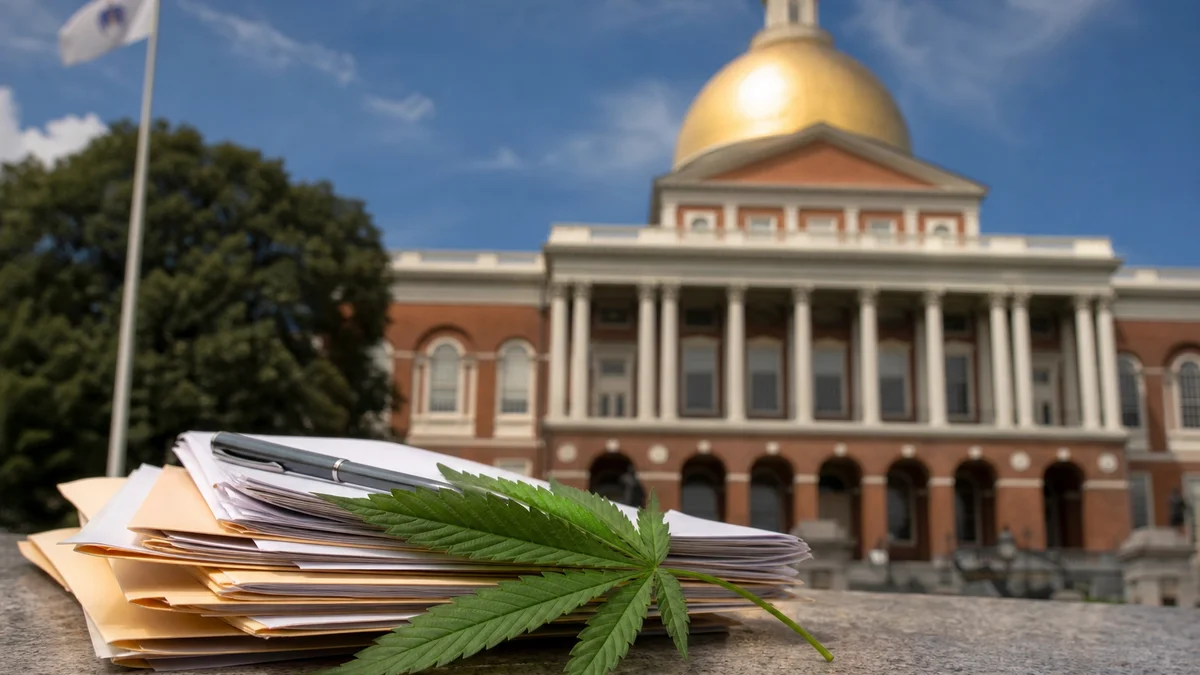

Opponents of legal cannabis sales in Massachusetts are pushing a ballot measure using statistics that dramatically misrepresent youth consumption trends, according to an analysis of the campaign's claims.
The coalition behind Question 8—which would repeal adult-use cannabis sales in the state—asserts that teen cannabis use nearly quadrupled after legalization. But that figure comes from a narrow psychiatric emergency room sample, not representative population data. Statewide youth surveys show flat or declining rates over the same period.
The discrepancy highlights a familiar pattern in cannabis policy debates: cherry-picked data from clinical settings presented as evidence of broader social harm. Massachusetts legalized adult-use sales in 2016, with dispensaries opening in 2018.
The Numbers Don't Add Up
The Question 8 campaign's statistic derives from psychiatric ER visits at a single hospital system—a population already experiencing mental health crises. Using that subset to characterize general youth behavior is like measuring flu rates at urgent care clinics and claiming the entire state has the flu.
Meanwhile, the Massachusetts Youth Health Survey and the CDC's Youth Risk Behavior Survey both track cannabis use across representative samples of high school students. Those surveys show youth cannabis use either holding steady or declining slightly since legal sales began—a trend consistent with data from Colorado, Washington, and other early-adoption states.
The gap between clinical samples and population surveys matters. Teens who end up in psychiatric ERs are not representative of all teens. They're experiencing acute crises that may involve multiple substances, underlying mental health conditions, or family instability. Drawing sweeping conclusions from that data misleads voters about what's actually happening in schools and communities.
Why Repeal Campaigns Use This Tactic
Opposition groups have limited ammunition against legal cannabis markets that generate hundreds of millions in tax revenue and create thousands of jobs. Massachusetts collected over $150 million in cannabis tax revenue in 2023 alone, funding education, infrastructure, and public health programs.
Without evidence of increased youth use, rising impaired driving, or other predicted harms materializing at scale, repeal campaigns often turn to narrow clinical data that sounds alarming in isolation. The strategy banks on voters not examining the methodology or comparing it to broader population trends.
Similar statistical tactics appeared in repeal attempts in other states, though none have succeeded once voters understood the full picture. Cannabis opponents in Alaska tried a repeal measure in 2016 that failed 63-37 after advocates highlighted the economic benefits and lack of youth access problems.
What Statewide Data Actually Shows
The Massachusetts Department of Public Health tracks youth cannabis use through annual surveys of thousands of high school students. The most recent data shows 24% of high school students reported using cannabis in the past month—virtually unchanged from pre-legalization levels and down slightly from peaks in the early 2010s.
Colorado provides the longest dataset, with legal sales since 2014. Youth cannabis use there has remained flat or declined across every age group, according to the state's Healthy Kids Colorado Survey. Washington shows similar patterns. Oregon's youth use rates actually dropped after legalization.
The consistency across states suggests legal regulated markets don't increase teen access. If anything, regulated dispensaries with ID checks may be harder for minors to access than unregulated dealers who don't card customers.
The Stakes for Massachusetts
Question 8 faces an uphill battle. Polling shows most Massachusetts voters support the existing legal market, which now includes over 400 licensed businesses employing roughly 15,000 people. The state's Cannabis Control Commission has issued more than 50 social equity licenses to entrepreneurs from communities disproportionately harmed by prohibition.
Rolling back that infrastructure would eliminate jobs, crater tax revenue, and likely push consumers back to unregulated sources—the opposite of public health protection. But the outcome depends partly on whether voters dig past misleading statistics to examine what statewide data actually shows about youth use, public safety, and market impacts.
The vote happens November 2024. If Question 8 fails, it will likely discourage similar repeal efforts in other states. If it succeeds despite contradictory evidence, expect more campaigns using selective clinical data to obscure broader trends.
This article is based on original reporting by hightimes.com.