

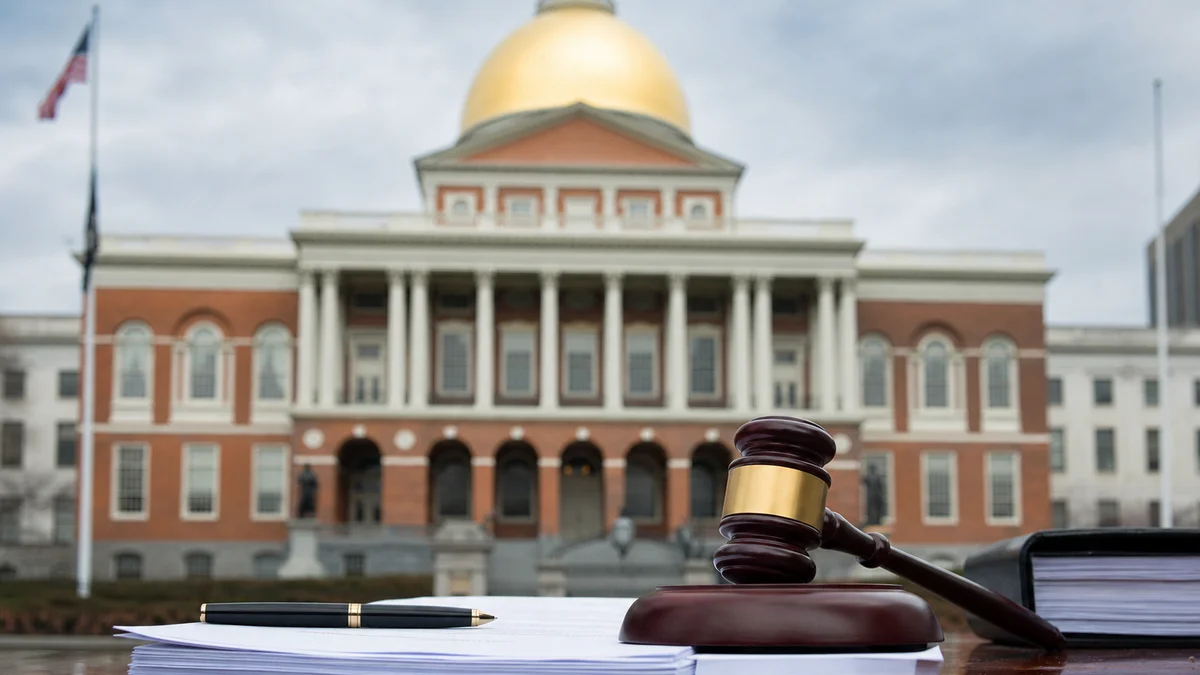
A campaign to defeat a Massachusetts ballot measure that would end adult-use cannabis sales has emerged as a potential bellwether for the industry's federal rescheduling efforts, according to the coalition's leader.
Ryan Dominguez is spearheading the effort to stop Question 4, a November 2026 ballot initiative that would repeal the state's adult-use cannabis program. The measure represents one of the first serious attempts to roll back legalization in a state that approved recreational sales through a 2016 ballot initiative.
"This is about more than Massachusetts," Dominguez said. "If prohibition forces can successfully reverse legalization here, it sends a signal that undermines everything we're trying to accomplish at the federal level."
The timing matters. The Drug Enforcement Administration is reviewing a proposal to move cannabis from Schedule I to Schedule III under the Controlled Substances Act. That reclassification, recommended by the Department of Health and Human Services in 2023, would maintain cannabis prohibition but ease some federal restrictions and tax burdens on state-legal operators.
The Massachusetts Stakes
Massachusetts voters approved adult-use cannabis by 53.7% in 2016. The state's market generated $1.5 billion in sales in 2024, according to the Cannabis Control Commission. More than 400 licensed retailers now operate across the state.
Question 4's backers argue the program has failed to deliver promised tax revenue and has increased youth access. They collected enough signatures to force a referendum in November 2026.
But Dominguez and industry supporters say a repeal would eliminate thousands of jobs and push consumers back to the illicit market. The campaign has not yet disclosed its fundraising totals, but industry sources expect it to become one of the most expensive ballot fights in state history.
National Implications
The connection between a state ballot measure and federal policy might seem tenuous. But cannabis policy experts say anti-legalization activists have been searching for a proof-of-concept win to energize opposition nationwide.
"Smart Approaches to Marijuana and similar groups have struggled to stop new state programs," said one industry lobbyist who requested anonymity to discuss strategy. "If they can actually reverse one, that becomes their playbook everywhere."
Smart Approaches to Marijuana, founded by former Representative Patrick Kennedy, has opposed both state legalization efforts and federal rescheduling. The group argues that moving cannabis to Schedule III would accelerate commercialization without adequate public health protections.
A Massachusetts repeal would hand these groups their most significant victory since recreational legalization began in 2012. It could embolden similar efforts in other states and provide ammunition to opponents of federal reform.
What's Next
The Massachusetts campaign has nearly two years to make its case to voters. Dominguez said the coalition will focus on economic arguments, highlighting job losses and the return of black market activity if the repeal passes.
The campaign also plans to emphasize that Massachusetts voters already made this choice in 2016. "We're not asking people to try something new," Dominguez said. "We're asking them to protect what they already approved."
Meanwhile, the DEA's rescheduling review continues with no clear timeline for a final decision. The agency held a public hearing on the proposal in December 2024 but has not indicated when it will rule.
Industry observers say a Massachusetts repeal before the DEA acts could complicate the federal process. At minimum, it would provide rescheduling opponents with a fresh talking point about state programs failing.
The vote is scheduled for November 3, 2026.
This article is based on original reporting by mjbizdaily.com.