

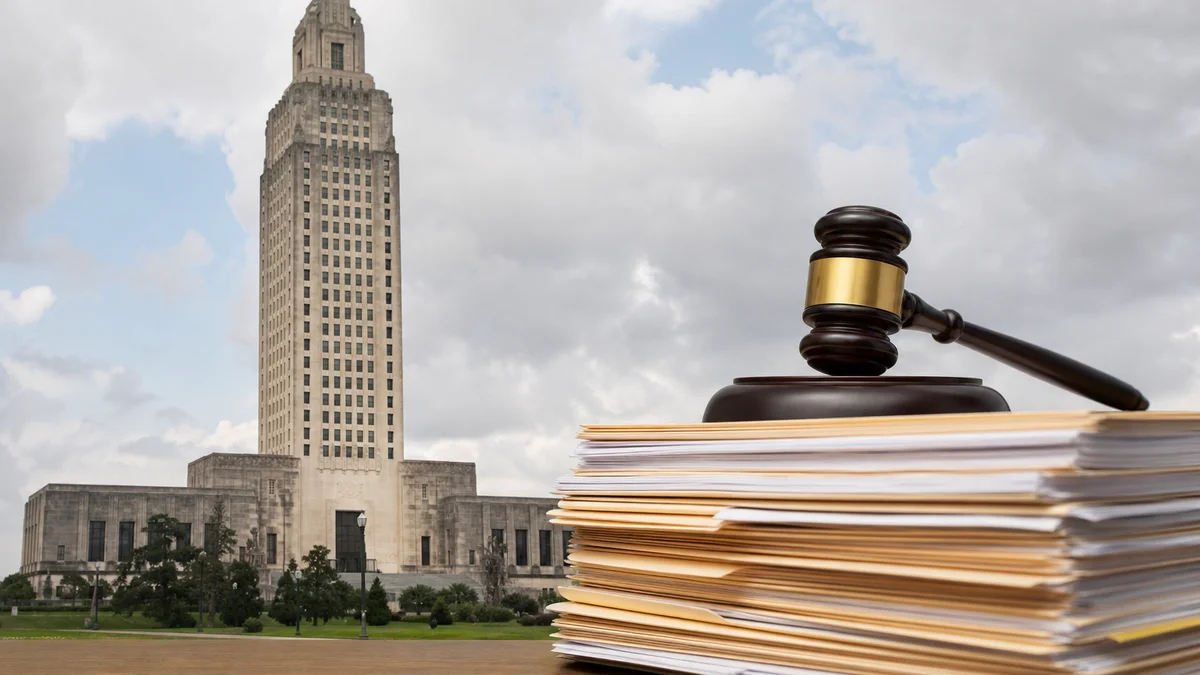
Gov. Jeff Landry has directed Louisiana schools to inform students and communities about a law he signed in May that carries up to one year in jail for smoking marijuana within 2,000 feet of any school property, including college campuses.
The Republican governor's office sent guidance to school districts and higher education institutions this week requesting they publicize the enhanced penalties, which took effect when Landry signed the legislation five months ago. The law applies to both K-12 facilities and university campuses across Louisiana.
Under the statute, anyone caught smoking cannabis within the designated 2,000-foot perimeter faces misdemeanor charges punishable by up to 12 months in parish jail. The enhanced penalty zone extends roughly six city blocks in each direction from school boundaries, covering significant portions of urban neighborhoods and college towns.
The Legislative Background
Louisiana's legislature passed the measure during the 2024 regular session as part of a broader package of drug enforcement bills. The state maintains some of the strictest cannabis laws in the South, despite a limited medical marijuana program that began sales in 2019.
The medical program serves roughly 15,000 registered patients, according to state health department data. But recreational possession remains illegal, with simple possession carrying fines up to $300 for first offenses.
Landry, who took office in January, campaigned on tough-on-crime policies. He has opposed marijuana legalization efforts, stating in March that "Louisiana families deserve safe communities, not expanded drug access."
College Towns Face Enforcement Questions
The 2,000-foot radius raises practical questions in cities like Baton Rouge and New Orleans, where Louisiana State University and Tulane University occupy large urban footprints. In some neighborhoods near LSU's campus, the zones overlap, leaving few areas outside the enhanced penalty perimeter.
"This essentially criminalizes cannabis use across most of our city's core," said Marcus Chen, a Baton Rouge defense attorney who handles drug cases. "You're talking about apartment complexes, parks, entire business districts falling within these zones."
University police departments have not yet issued guidance on how they will enforce the statute. LSU's police force did not respond to requests for comment about enforcement priorities or arrest data.
Industry Impact
The directive comes as Louisiana's medical marijuana operators have pushed for program expansion. The state's nine licensed dispensaries generated $46 million in sales during the 2023 fiscal year, up 28% from the prior year.
But the enhanced criminal penalties may complicate legalization advocacy. Medical marijuana patient John Thibodeaux, who lives near a Shreveport elementary school, said the law creates confusion about where legal patients can medicate.
"I'm a registered patient with a doctor's recommendation, but this law doesn't carve out any exception," Thibodeaux said. "Am I supposed to drive 15 minutes to find a legal zone?"
What's Next
School administrators have until the end of January to develop communication plans for publicizing the penalties, according to the governor's guidance. The directive suggests including information in student handbooks, parent newsletters, and campus signage.
Law enforcement groups have not taken public positions on the statute, though Louisiana District Attorneys Association president Don Landry (no relation to the governor) said prosecutors will "enforce the law as written."
Defense attorneys expect legal challenges based on the law's geographic scope and potential conflicts with the state's medical marijuana statute, though no suits have been filed yet.
This article is based on original reporting by www.marijuanamoment.net.