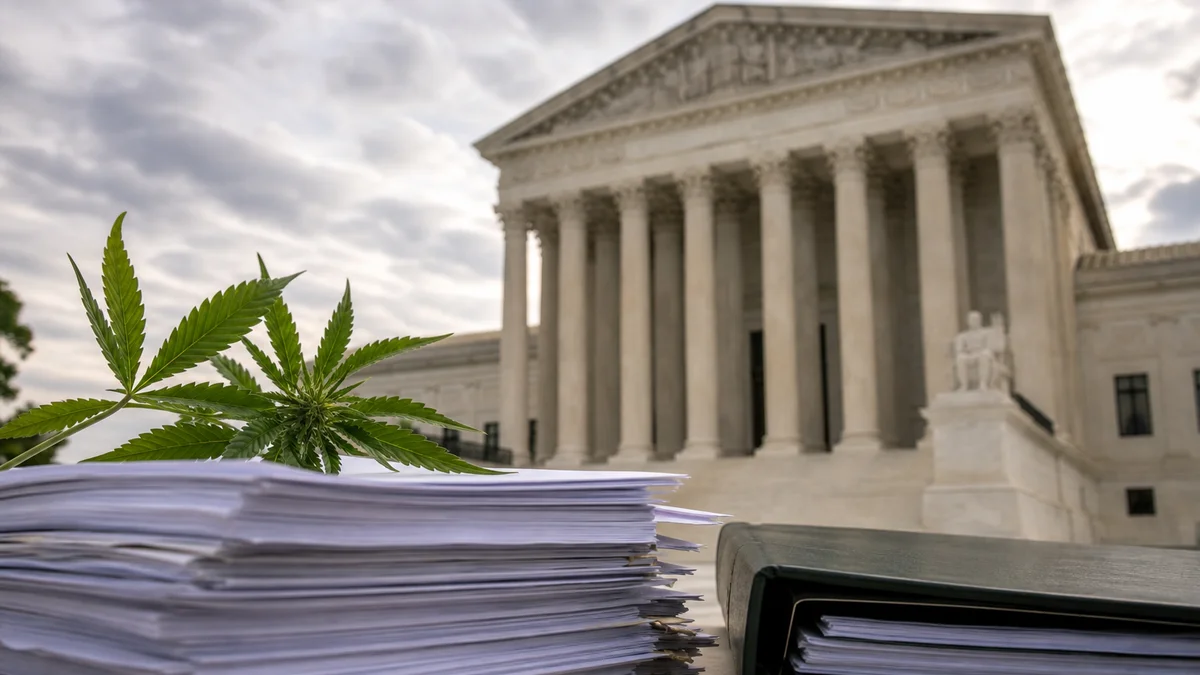


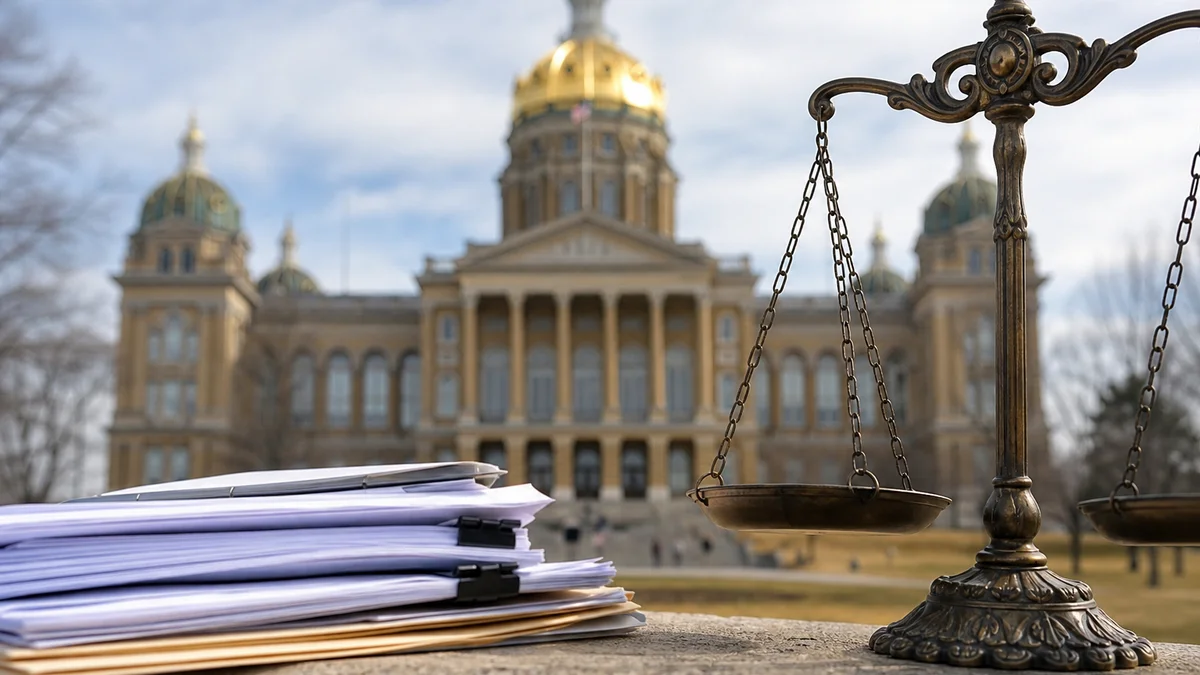
Iowa's Democratic candidate for governor is calling for adult-use cannabis legalization as a fiscal solution to mounting budget pressures in the state, arguing that marijuana reform represents a straightforward path to new revenue streams.
The candidate framed legalization as a "no-brainer" approach to generating funds that could protect education and public safety budgets from potential cuts. "I think we should treat it the way we treat alcohol," the candidate said, advocating for a regulatory framework similar to Iowa's existing alcohol control system.
Iowa currently permits only a limited medical cannabis program established in 2014, which restricts THC content to 3% and limits qualifying conditions. The state has not seriously advanced adult-use legalization despite growing momentum in surrounding Midwestern states. Illinois launched recreational sales in 2020 and has generated over $1.8 billion in tax revenue to date. Missouri voters approved legalization in 2022, with sales beginning in early 2023.
The Budget Argument
The Democratic candidate characterized Iowa's fiscal outlook as a "fiscal time bomb," pointing to projected revenue shortfalls that could force difficult budget decisions in coming years. State budget forecasts have shown declining revenue growth, raising questions about funding levels for core services.
Legalization proponents in other states have successfully made similar revenue arguments. Colorado has collected more than $2 billion in marijuana taxes since 2014, while Michigan generated $276 million in cannabis tax revenue in 2022 alone. These figures have proven persuasive in states facing budget constraints, though critics note that cannabis revenue rarely matches initial projections and comes with regulatory costs.
Iowa Republicans, who control both legislative chambers and the governor's office, have shown little appetite for legalization. Governor Kim Reynolds has repeatedly opposed marijuana reform efforts, and GOP legislative leaders have not advanced legalization bills in recent sessions.
Regional Pressure
Iowa finds itself increasingly surrounded by states with more permissive cannabis policies. Beyond Illinois and Missouri, Minnesota is implementing its own adult-use program after lawmakers approved legalization in 2023. Wisconsin and Nebraska remain prohibition states, though both face growing legalization movements.
This regional shift has economic implications. Border communities in Iowa report residents crossing state lines to purchase cannabis products legally, directing tax dollars to neighboring states. Illinois dispensaries near the Iowa border have reported strong sales to out-of-state customers.
The Democratic candidate's position aligns with national polling showing majority support for legalization, including among Republicans. A Gallup poll from 2023 found 70% of Americans support legal cannabis, the highest level recorded. Iowa-specific polling has shown similar trends, with recent surveys indicating majority support for legalization among state residents.
What's Next
The gubernatorial race will test whether cannabis legalization has become a winning issue in Iowa politics. Democrats have struggled in statewide races in recent cycles, and marijuana reform could offer a way to energize voters and draw contrast with Republican opponents.
However, the candidate faces an uphill battle. Governor Reynolds won reelection in 2022 by 19 percentage points, and Republicans hold commanding majorities in the legislature. Even if the Democratic candidate prevails, implementing legalization would require cooperation from a GOP-controlled legislature that has shown no interest in the issue.
The Iowa Medical Cannabidiol Board meets quarterly to review the state's limited program, but has no authority over adult-use policy. Any legalization effort would require legislative action or a ballot initiative, though Iowa's citizen initiative process remains one of the most restrictive in the nation.
This article is based on original reporting by www.marijuanamoment.net.