

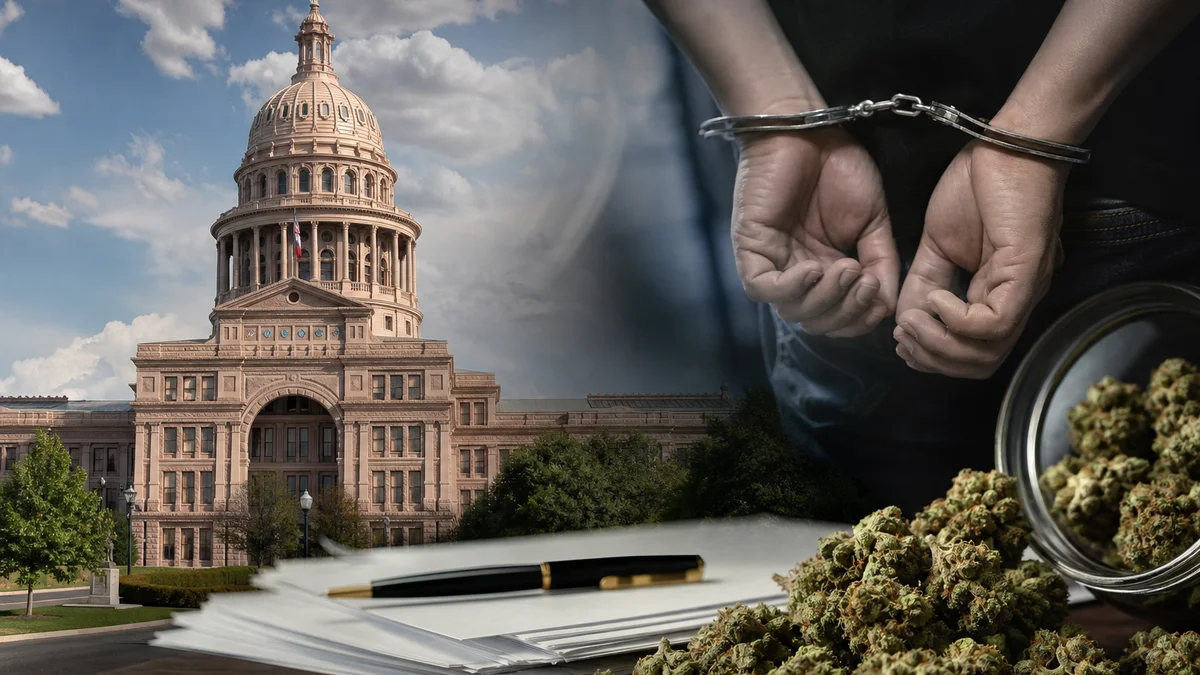
Houston police have arrested an average of 440 people per year for low-level cannabis possession under Mayor John Whitmire, marking a nearly 1,200% increase from the previous administration's enforcement approach, according to data obtained by Houston Public Media through a public records request.
The dramatic shift represents a stark reversal from the city's prior enforcement posture, when misdemeanor cannabis arrests averaged just 35 annually. The data covers Whitmire's tenure since he took office in January 2024, succeeding former Mayor Sylvester Turner.
The surge in arrests comes as Texas remains one of the few states without any form of legal cannabis access, though the state legislature has debated medical cannabis expansion and decriminalization measures in recent sessions. Houston, the nation's fourth-largest city, had previously moved toward a more lenient approach to low-level possession cases.
The Policy Reversal
Under Turner's administration, Houston adopted cite-and-release policies for minor cannabis possession, allowing officers to issue citations rather than make arrests for small amounts. The approach aligned with similar reforms in Austin, Dallas, and other Texas cities seeking to reduce jail overcrowding and free up law enforcement resources.
Whitmire, a Democrat who served 40 years in the Texas Senate before becoming mayor, ran on a public safety platform that emphasized stricter enforcement. The arrest data suggests his administration has made good on that campaign promise, at least regarding cannabis possession.
The shift has practical implications for Houston's criminal justice system. Each arrest requires booking, processing, and court resources. Misdemeanor possession charges can result in jail time up to 180 days and fines up to $2,000 under Texas law, though first-time offenders often receive lesser penalties.
Industry and Advocacy Response
The enforcement spike puts Houston at odds with national trends. More than half of U.S. states have legalized cannabis for adult use, and even in prohibition states, major cities have largely deprioritized low-level possession arrests.
Texas cannabis advocates have pushed for years to expand the state's limited medical program and decriminalize possession. The state currently allows low-THC cannabis products for a narrow list of medical conditions through its Compassionate Use Program, but efforts to broaden access have stalled in the legislature.
The arrest data also raises questions about resource allocation as the state debates broader cannabis policy reform. Texas lawmakers filed multiple cannabis bills in the 2023 legislative session, including measures to decriminalize possession and expand medical access, though none advanced to a floor vote.
What Comes Next
The enforcement approach could face legal challenges or policy pressure as more data emerges. Civil rights groups have historically raised concerns about disparities in cannabis arrest rates, particularly regarding racial demographics.
Mayor Whitmire's office has not publicly addressed the arrest statistics or outlined any plans to revisit the enforcement policy. The next Texas legislative session begins in January 2025, when lawmakers are expected to again consider cannabis reform measures.
For now, Houston residents face significantly higher arrest risk for cannabis possession than they did a year ago, even as surrounding states like Oklahoma develop robust medical markets and broader legalization debates continue nationwide.
The data underscores the patchwork nature of cannabis enforcement across Texas cities, where local policy can create vastly different outcomes for similar conduct depending on jurisdiction.
This article is based on original reporting by ganjapreneur.com.
