

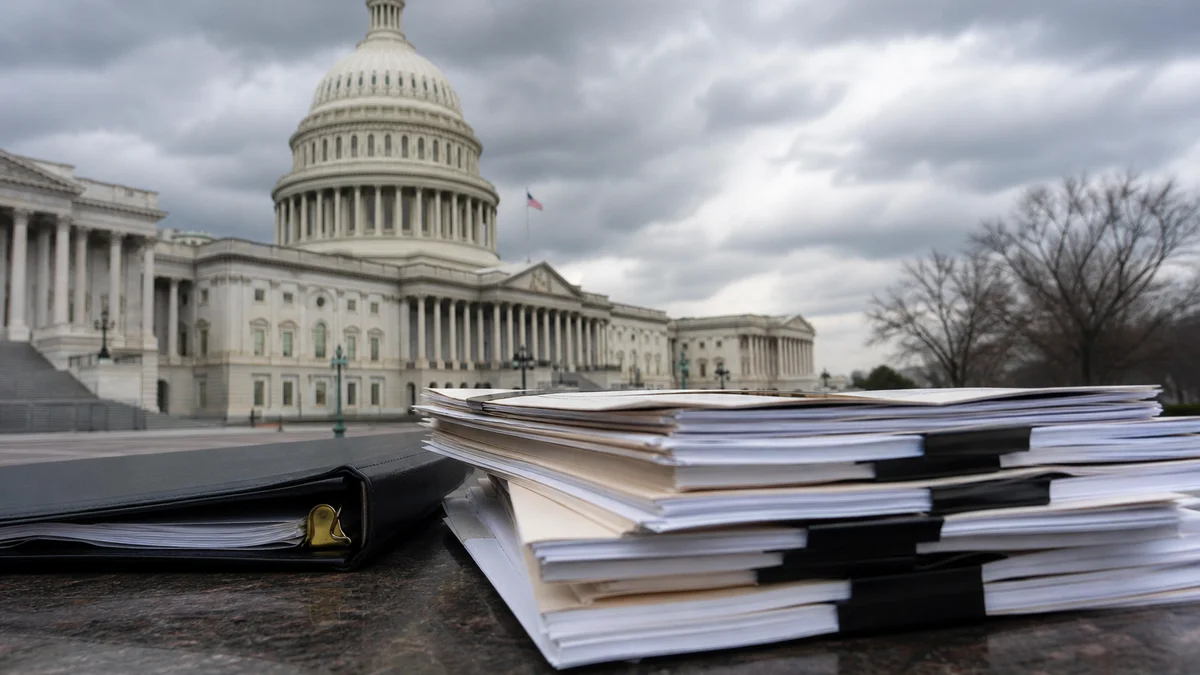
The Drug Enforcement Administration has published the complete transcript from December's marijuana rescheduling hearing, moving the proceeding one step closer to a final decision that could reshape the federal cannabis regulatory framework.
Administrative Law Judge Derek Julius now has the full record before him as he weighs whether to recommend moving marijuana from Schedule I to Schedule III under the Controlled Substances Act. The transcript's release marks the formal conclusion of the evidentiary phase, which saw testimony from medical experts, industry stakeholders, and federal officials over two days in December.
The hearing examined the Department of Health and Human Services' recommendation to reschedule cannabis based on its accepted medical use and lower abuse potential compared to Schedule I substances. HHS delivered that recommendation to DEA in August 2023, following a directive from President Biden to review marijuana's scheduling status.
What Happens Next
Judge Julius will review the hearing record and issue a recommendation to DEA Administrator Anne Milgram. That recommendation carries significant weight but is not binding. Milgram retains final authority to accept, reject, or modify the judge's findings before issuing a final rule.
Legal experts familiar with the administrative process say the timeline from transcript publication to a judge's recommendation typically spans several months. "We're looking at a process that could extend well into 2025," said one attorney who requested anonymity because they are advising clients on the matter. "The judge has to review hundreds of pages of testimony and exhibits."
The hearing featured sharp disagreements over marijuana's medical efficacy and abuse potential. Witnesses called by petitioners opposing rescheduling argued that cannabis lacks the safety profile required for Schedule III placement and that state-legal markets have increased youth access and impaired driving incidents.
Government witnesses defended the HHS analysis, which concluded that marijuana has accepted medical use in treatment and a lower potential for abuse than heroin, LSD, and other Schedule I drugs.
Industry Implications
Rescheduling to Schedule III would not legalize marijuana under federal law. But it would eliminate the Section 280E tax provision that prevents cannabis businesses from deducting ordinary business expenses. Industry analysts estimate 280E costs operators 40-70% effective tax rates.
"The financial impact would be immediate and substantial," said Emily Paxhia, co-founder of Poseidon Investment Management. "We're talking about hundreds of millions in tax relief across the industry."
Rescheduling would also facilitate medical research by reducing regulatory barriers that currently make studying cannabis difficult. Universities and research institutions have long complained that Schedule I status creates bureaucratic obstacles to controlled clinical trials.
The proceeding has drawn intense scrutiny from both legalization advocates and opponents. Smart Approaches to Marijuana, which opposes rescheduling, presented witnesses arguing that moving cannabis to Schedule III would contradict international treaty obligations and send the wrong message about marijuana's risks.
Cannabis industry groups, while supporting rescheduling as a step forward, have noted that full descheduling remains their ultimate policy goal. The U.S. Cannabis Council and National Cannabis Industry Association both filed comments supporting the HHS recommendation while calling for broader reform.
Timeline and Uncertainty
The publication of the hearing transcript does not guarantee a swift resolution. After Judge Julius issues his recommendation, DEA must complete its own review and publish a final rule. That rule would then face a public comment period and potential legal challenges.
Some observers expect the process to extend beyond the current administration. The incoming administration has not articulated a clear position on marijuana rescheduling, creating uncertainty about whether political priorities might shift.
DEA declined to provide a timeline for Judge Julius's recommendation or the agency's subsequent review. The agency has maintained that it will follow the standard administrative process regardless of external pressure or political considerations.
The rescheduling proceeding represents the most significant federal marijuana policy development in decades. While not full legalization, Schedule III placement would mark the first time the federal government has acknowledged marijuana's medical utility and reduced its classification under the Controlled Substances Act since the drug war began.
This article is based on original reporting by mjbizdaily.com.