

Colorado cannabis manufacturer StayCon has initiated a voluntary recall of 49 vape cartridges after laboratory testing detected methylene chloride, a known carcinogen, in two product lines.
The recall affects Maui Wowie and Grape Gorilla vape products sold through Colorado's regulated cannabis market. Methylene chloride, classified as a probable human carcinogen by the EPA, is sometimes used in chemical extraction processes but is strictly prohibited in consumer cannabis products.
The contamination appears linked to hemp inversion—a process where hemp-derived cannabinoids are chemically converted into THC or other compounds. This practice has raised safety concerns across the industry as manufacturers seek cheaper alternatives to traditional cannabis extraction.
The Safety Risk
Methylene chloride exposure can cause serious health effects. The solvent is associated with liver toxicity, central nervous system damage, and increased cancer risk with prolonged exposure. Even short-term inhalation can cause dizziness, headaches, and respiratory irritation.
Colorado's Marijuana Enforcement Division requires all cannabis products to pass strict testing before reaching consumers. But the detection highlights ongoing challenges in monitoring chemical processes used by some manufacturers, particularly those working with hemp-derived inputs.
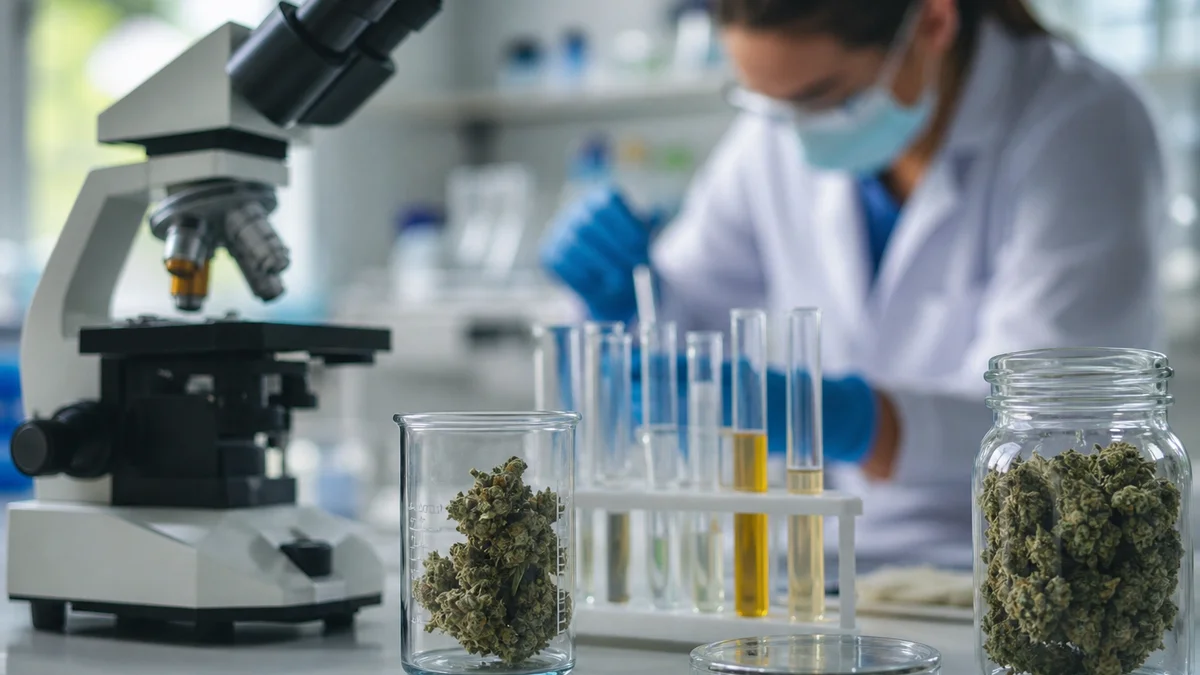
The state's testing protocols typically screen for pesticides, heavy metals, and residual solvents. Methylene chloride falls under the residual solvent category, though it's rarely detected because most licensed producers use safer extraction methods like CO2 or ethanol.
Hemp Inversion Under Scrutiny
Hemp inversion has become increasingly common as companies exploit price differences between hemp and marijuana-derived cannabinoids. The process typically involves using acids or other chemicals to convert CBD into Delta-8 THC or traditional Delta-9 THC.
But these chemical conversions can leave dangerous residues if not properly purged. Industry experts have warned that hemp inversion products may contain unknown byproducts and contaminants not present in naturally extracted cannabis oil.
Several states have moved to restrict or ban hemp-derived products that undergo chemical conversion. Colorado regulators have yet to implement specific rules targeting the practice, though this recall may prompt closer examination.
What Consumers Should Know
StayCon has not disclosed how many of the 49 recalled units remain in circulation or which dispensaries sold them. Colorado law requires retailers to notify customers who purchased recalled products through the state's seed-to-sale tracking system.
Consumers who purchased Maui Wowie or Grape Gorilla vapes from StayCon should stop using them immediately and return them to their point of purchase for a refund. Anyone experiencing health issues after using these products should seek medical attention.
The company has not issued a public statement about the recall or explained how the contamination occurred. Colorado's Marijuana Enforcement Division typically investigates recalls to determine whether violations warrant additional enforcement action.
This marks the latest in a series of vape-related safety issues that have plagued the cannabis industry. From vitamin E acetate in illicit cartridges to heavy metal contamination from low-quality hardware, vape products remain a persistent regulatory challenge.
This article is based on original reporting by mjbizdaily.com.