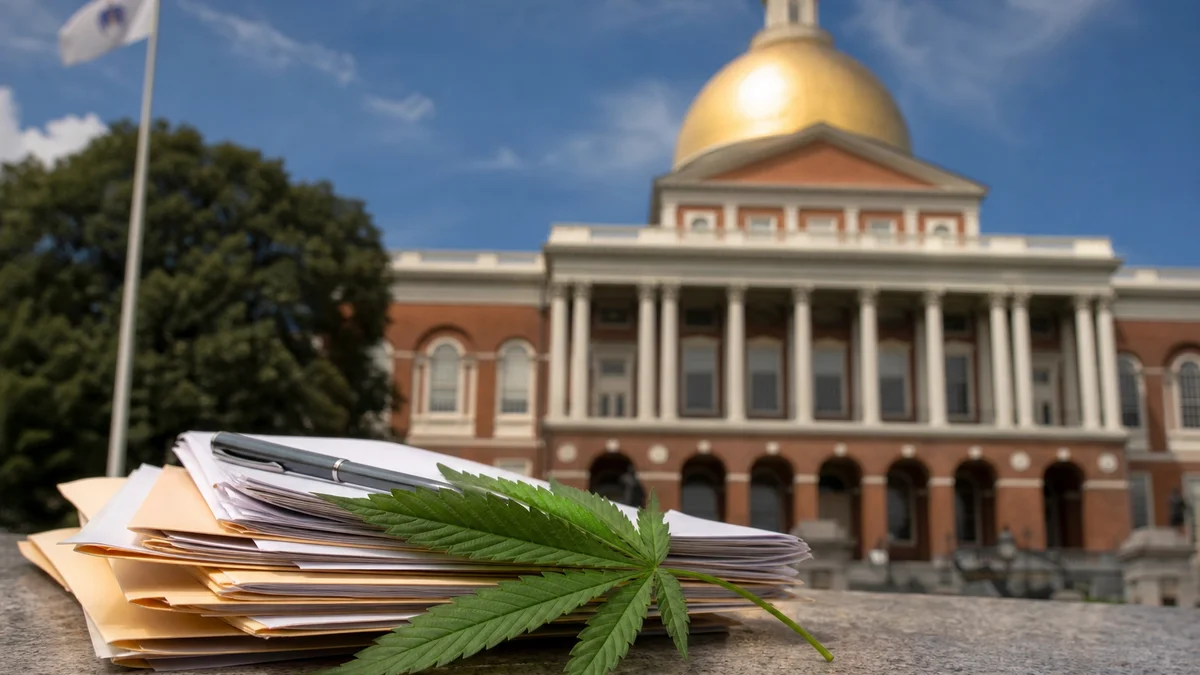
Marijuana legalization has moved from fringe issue to campaign centerpiece as candidates across the political spectrum embrace reform heading into November's midterm elections.
The shift marks a dramatic evolution in political strategy. Cannabis policy, once relegated to ballot initiatives and state-level debates, now features prominently in congressional and gubernatorial races nationwide. Polling consistently shows majority support for legalization across demographics, making it an attractive issue for candidates seeking crossover appeal.
But whether marijuana reform actually moves votes on Election Day is a different question. Political strategists say cannabis ranks well in surveys yet rarely tops voters' priority lists when they enter the booth. Economic concerns, healthcare, and education typically dominate.
The Political Calculus
Republican candidates in competitive districts are increasingly breaking with party orthodoxy on cannabis. Several GOP House candidates have endorsed medical marijuana access or expressed support for letting states set their own policies without federal interference. The strategy targets suburban swing voters and younger conservatives who view prohibition as government overreach.
Democrats, meanwhile, are using cannabis reform to energize base voters and draw contrasts with opponents. Progressive candidates are pairing legalization with criminal justice reform messaging, emphasizing expungement and social equity programs.
The bipartisan interest reflects shifting public opinion. Recent national polls show support for adult-use legalization hovering around 68 percent, with backing from majorities in both parties. Medical marijuana enjoys even broader acceptance, polling above 80 percent in most surveys.
Industry Watching Closely
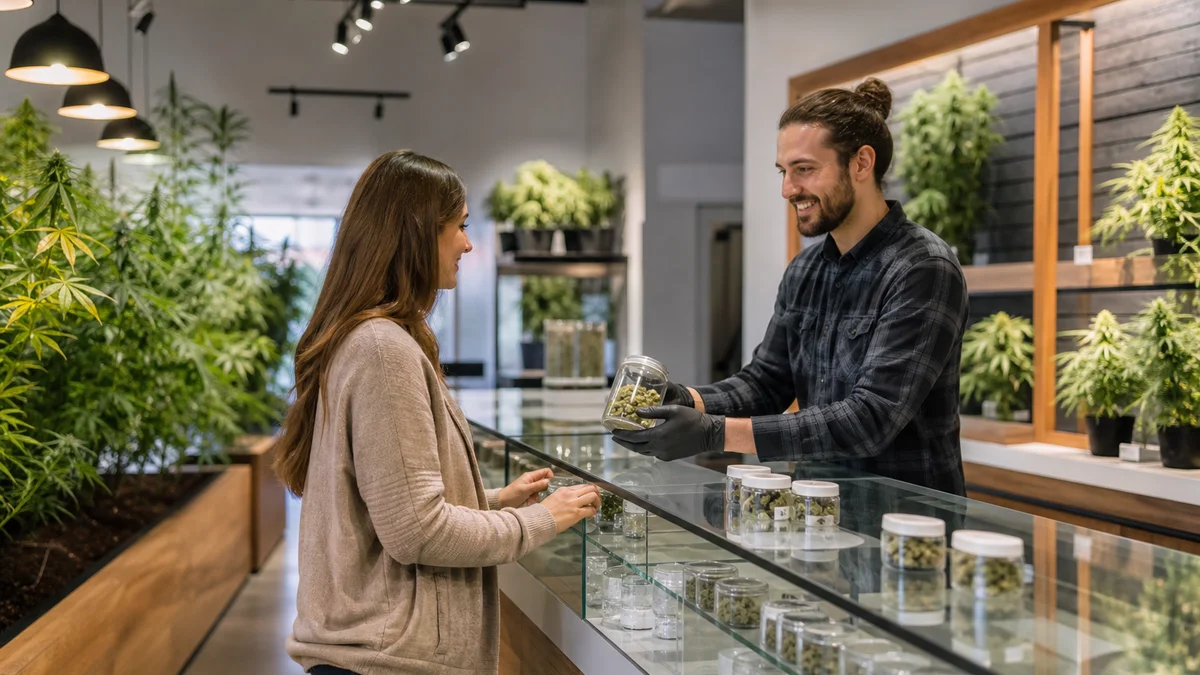
Cannabis businesses have a direct stake in the outcome. Federal reform remains stalled despite state-level expansion, leaving operators in 38 medical and 24 adult-use markets navigating a patchwork of regulations and banking restrictions.
The industry has ramped up political spending accordingly. Cannabis PACs and trade groups are funneling money to reform-friendly candidates in key races. Some companies have launched voter education campaigns in states with legalization measures on the ballot.
Analysts note that Congressional composition matters more than ever. The next Congress could determine whether federal cannabis policy moves forward through banking reform, tax changes, or broader legalization. A shift of even a few seats could alter the legislative calculus.
What's Next
Five states have marijuana-related measures on November ballots, ranging from adult-use legalization to medical expansion. These initiatives may drive turnout in close races, though political scientists caution against overstating ballot measure influence on candidate elections.
The real test comes after the votes are counted. If reform-supporting candidates win in competitive districts, it could signal marijuana's evolution into a genuine swing issue. If they lose despite embracing legalization, it may confirm that cannabis remains a secondary concern for most voters.
Either way, the 2026 midterms represent a milestone. For the first time, both major parties are actively competing on cannabis policy rather than avoiding it. That shift alone suggests marijuana has secured a permanent place in American political discourse.
This article is based on original reporting by www.cnbc.com.