

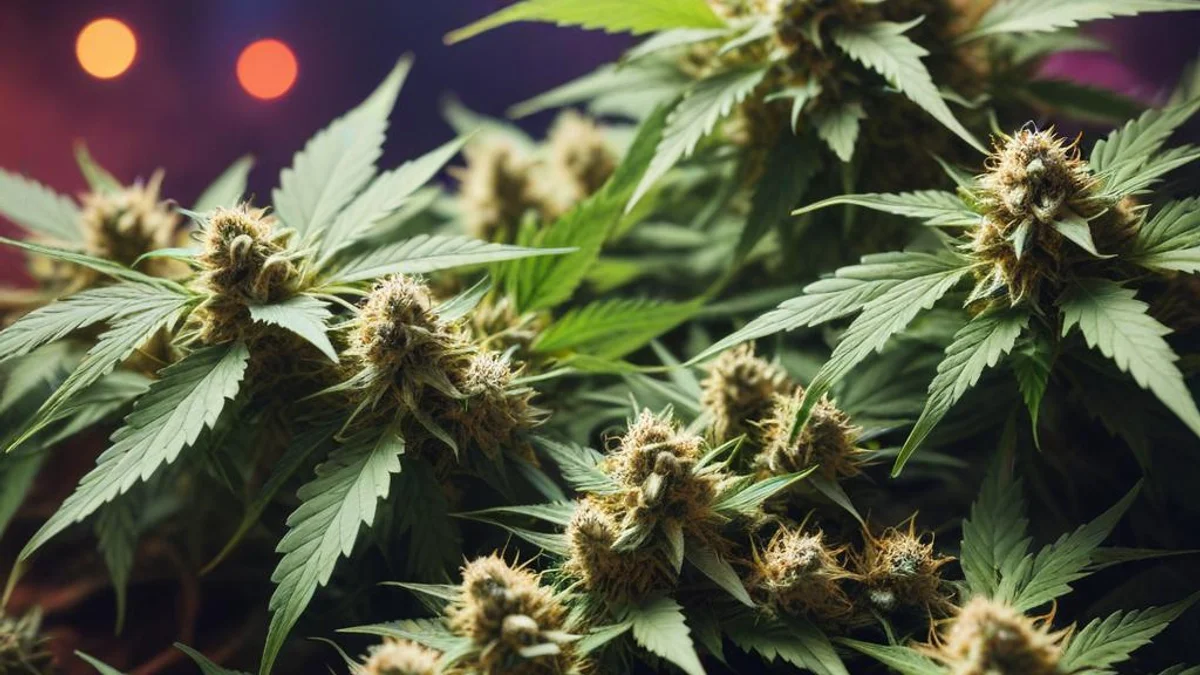
Cannabis content creators are deploying increasingly creative workarounds to avoid social media platform restrictions, replacing direct cannabis references with code words like "broccoli," "lettuce," and "tree" to keep their accounts alive.
The tactics represent a survival strategy for an industry that's legal in 38 states but still faces systematic shadowbanning and account deletion on major platforms. Instagram, TikTok, and Facebook maintain policies that restrict cannabis content despite legalization, forcing creators to develop what amounts to a parallel vocabulary.
"We're not talking about weed anymore — we're talking about plants, flowers, or medicine," one cannabis educator told High Times. The semantic gymnastics extend beyond product names: "consumption" becomes "enjoying," "dispensary" turns into "shop," and "high" transforms into "elevated."
The Algorithm Arms Race
The workarounds go deeper than simple word substitution. Cannabis creators have developed multi-layered strategies that include visual tricks (covering product labels with emojis), audio manipulation (avoiding certain trigger words in voiceovers), and timing tactics (posting during off-peak hours when automated moderation may be less aggressive).
Some accounts maintain separate "shadow" profiles as backup, while others use link-in-bio services to route followers to external websites where they can share unrestricted content. The approach mirrors tactics used by sex educators and other communities facing platform censorship.
But the cat-and-mouse game comes at a cost. Multiple creators report losing accounts with tens of thousands of followers overnight, often with no clear violation cited. The unpredictability makes it nearly impossible to build sustainable businesses or educational platforms on social media alone.
Industry Impact
The censorship affects more than just influencers. Cannabis brands rely heavily on social media marketing but face the same restrictions, forcing them to invest more in email lists, SMS marketing, and owned media properties. Some companies have shifted budgets away from social media entirely, viewing it as too unstable for serious investment.
Educators face particular challenges. Medical cannabis information — which could help patients make informed decisions — gets flagged alongside recreational content. Harm reduction advocates say the blanket restrictions actually increase risk by pushing conversations underground and limiting access to accurate information.
The disconnect between state-level legalization and federal prohibition creates the policy vacuum that platforms hide behind. Meta, TikTok, and other companies cite federal law as justification for restrictions, even as they operate in states where cannabis is fully legal.
What's Next
Industry advocates are pushing for clearer content policies that distinguish between legal businesses and illicit activity. Several cannabis trade groups have met with platform representatives, though progress remains slow. Until federal legalization changes the landscape, creators say they'll keep adapting.
Some are betting on emerging platforms like Bluesky or Mastodon, where decentralized moderation could offer more freedom. Others are doubling down on the workarounds, treating the semantic warfare as just another cost of doing business in cannabis.
The situation highlights a broader tension in cannabis: an industry that's normalized in much of America but still treated as taboo by the digital gatekeepers that control modern commerce and conversation. For now, "broccoli" it is.
This article is based on original reporting by hightimes.com.