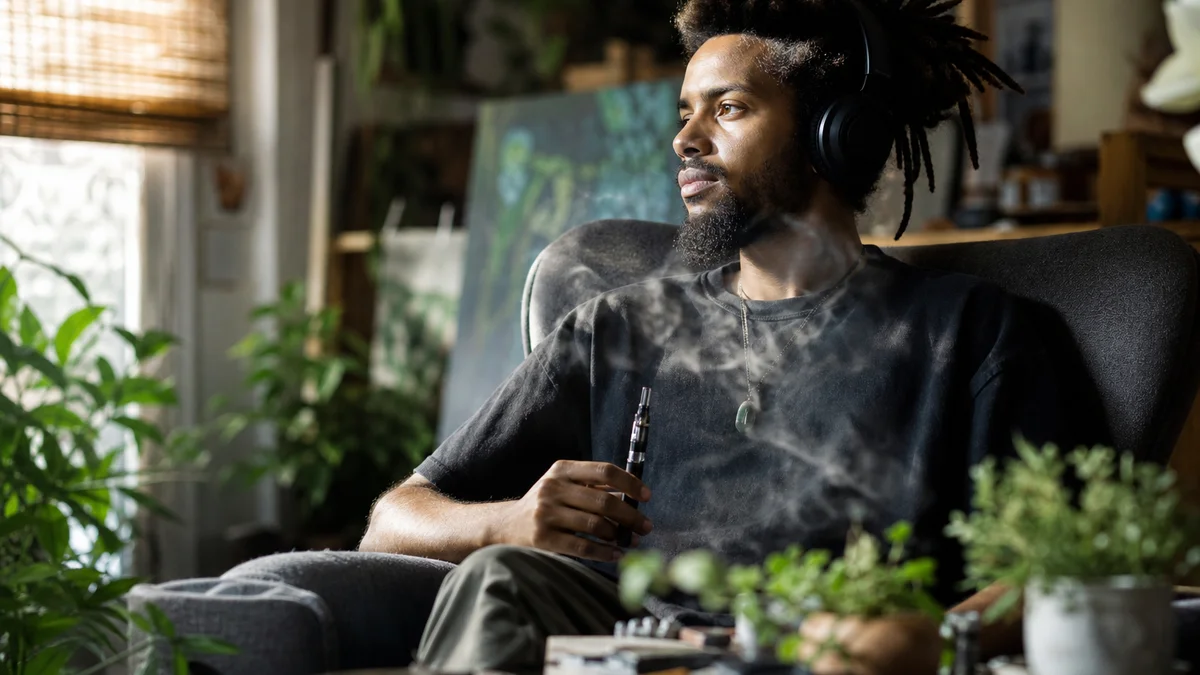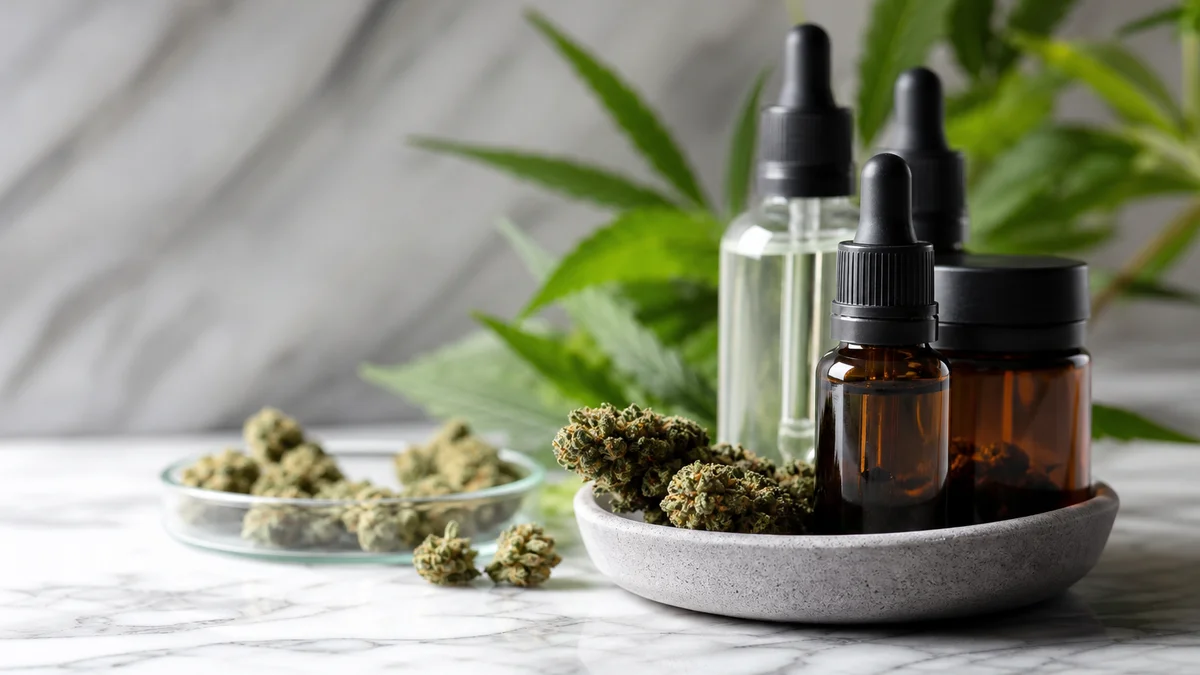
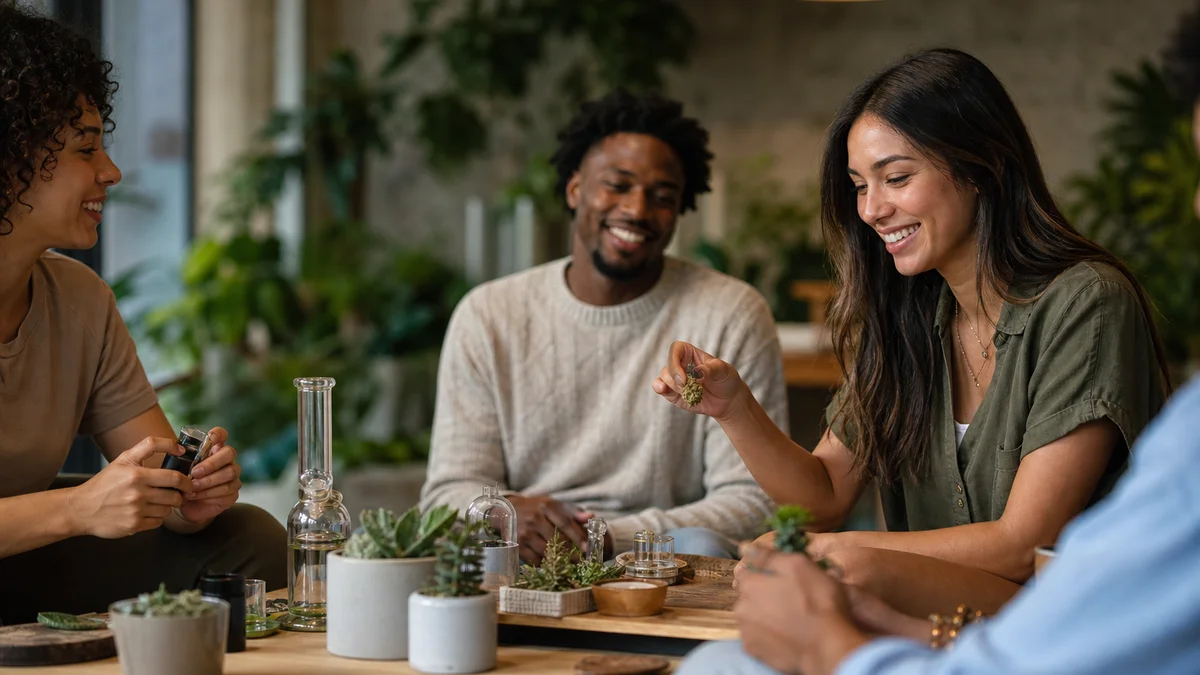
Social cannabis consumption is changing as smoke-free products reshape how people share cannabis at parties and gatherings. The shift reflects broader industry trends toward discreet, approachable consumption methods that appeal to both experienced users and newcomers.
Traditional joint-passing rituals are giving way to a more diverse set of options. Cannabis beverages, edibles, and other smoke-free products now account for roughly 15% of total cannabis sales in mature markets like Colorado and California, according to industry data. That growth is changing social dynamics around cannabis use.
The New Social Playbook
Modern cannabis etiquette centers on choice and consideration. Where smoking once dominated social consumption, hosts now face questions about ventilation, neighbor complaints, and accommodating guests who prefer not to inhale smoke. Products like cannabis beverages and low-dose edibles offer alternatives that sidestep these concerns.
The approach mirrors how alcohol functions at social gatherings—options for different preferences, clear labeling, and respect for individual choices. But cannabis adds complexity. Onset times vary widely between smoking (minutes) and edibles (30-90 minutes). Dosing remains less standardized than alcohol, making overconsumption easier for inexperienced users.
Industry observers note that social acceptance is driving product innovation. Companies are developing fast-acting edibles and beverages that mimic smoking's quick onset, addressing one of the main barriers to smoke-free social consumption.
Market Response
Cannabis beverage makers have seized on the social consumption trend. Brands like Cann, Keef, and Levia position their products as party-friendly alternatives to both smoking and drinking. The beverages typically contain 2-10mg THC per serving, allowing users to control their experience more precisely than with traditional edibles.
Sales data shows the strategy is working. Cannabis beverages grew 40% year-over-year in 2023 in tracked markets, outpacing overall category growth. The products appeal particularly to older consumers and women, demographics the industry has struggled to reach through smoking products.
But challenges remain. Most cannabis beverages require refrigeration and have shorter shelf lives than flower or vapes. Distribution is complicated by licensing rules that separate cannabis from alcohol sales channels. And price points—often $5-8 per drink—are higher than comparable non-cannabis beverages.
What Hosts Should Know
The evolving etiquette comes with practical considerations. Clear labeling is essential when cannabis products sit alongside regular food and drinks. Guests need to know what they're consuming and in what dose. Storage matters too—edibles and beverages should stay separate from regular items and out of reach of children or pets.
Timing is another factor. Experienced hosts now stagger product offerings, starting with faster-acting options and saving longer-onset edibles for early in the gathering. The approach prevents guests from overconsuming while waiting for effects to kick in.
Ventilation and discretion remain important even with smoke-free products. Not everyone wants to consume cannabis, and hosts should make non-cannabis options equally available and appealing. The goal is inclusion, not pressure.
As legalization expands and products diversify, cannabis is settling into a more normalized role in social settings. The shift from passing joints to offering beverages and edibles reflects both market maturation and changing consumer preferences. What emerges is less about rules and more about consideration—reading the room, offering choices, and letting people opt in or out without awkwardness.
This article is based on original reporting by hightimes.com.