
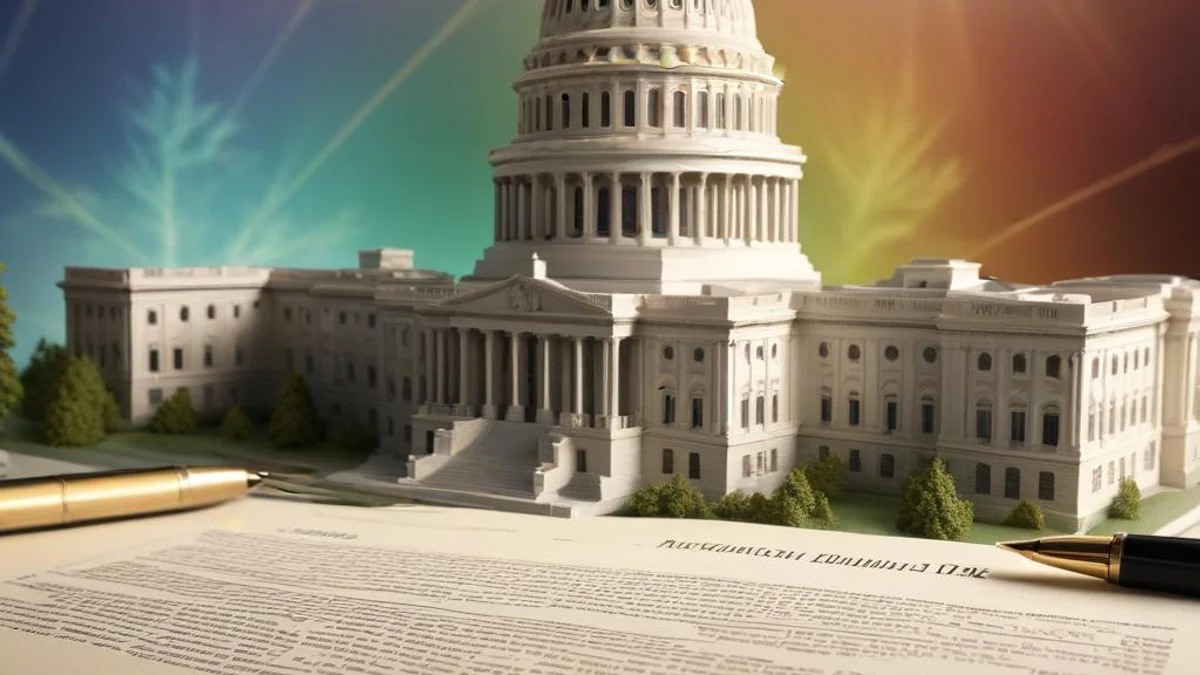
A coalition of anti-marijuana advocacy groups and a pharmaceutical company has appealed the dismissal of its lawsuit against a Medicare program that covers hemp-derived products for seniors.
The appeal, filed with a federal appeals court, challenges Judge Trevor N. McFadden's dismissal of the case. The Trump administration program gives eligible Medicare patients up to $500 a year to buy hemp-derived products. Prohibition advocates sued soon after it took effect.
"This case represents a collision between traditional pharmaceutical interests and the expanding acceptance of hemp-based wellness products in federal healthcare," said industry analyst Michael Chen of Cannabis Policy Research Group.
The legal challenge
The plaintiffs are an unusual pairing: anti-cannabis advocacy organizations and a biopharmaceutical corporation that develops cannabis-derived medications. Both object to the federal government covering hemp products, which contain less than 0.3% THC under the 2018 Farm Bill, through Medicare.
McFadden threw out the initial challenge last month, ruling the plaintiffs had not established standing or shown immediate harm from the policy. The decision was a setback for groups that have opposed any expansion of cannabis or hemp access, including for medical use.
The drug company's involvement points to a split within the industry. Some manufacturers pursue FDA-approved cannabis medications such as Epidiolex, while others see the broader hemp market as competition that skips the usual regulatory route.
What's covered
The program lets eligible beneficiaries buy products made from industrial hemp, including CBD oils, topicals and other wellness items. The $500 annual cap is small next to traditional pharmaceutical coverage, but no major federal healthcare program has recognized hemp products this way before.
Hemp industry advocates welcomed the move. "This puts hemp-derived wellness products on par with other covered supplements and treatments," said Sarah Williams, director of the Hemp Industries Coalition.
The program sits in a regulatory gray area, though. The FDA maintains that CBD cannot legally be added to food or marketed as a dietary supplement without approval, even though the 2018 Farm Bill legalized hemp cultivation and removed the plant from the Controlled Substances Act.
What's at stake for the industry
The appeal's outcome could affect the $1.9 billion market for hemp-derived CBD. Medicare coverage, even capped at $500 a year, gives the products a stamp of legitimacy that could speed acceptance among older consumers, historically the demographic most resistant to cannabis.
Drug companies seeking FDA approval for cannabis-based medicines face development costs above $100 million and years of clinical trials. The Medicare program gives unapproved products a different route to the same patients.
"If this program survives legal challenge, it could establish a precedent for other federal health programs to cover hemp products," said healthcare policy attorney James Rodriguez. "That's exactly what concerns both prohibition advocates and traditional pharmaceutical manufacturers."
What happens next
The appeals court will now review McFadden's dismissal. Legal experts say the case turns on whether the plaintiffs can show concrete injury from the policy, a higher bar than opposing it on principle.
The Trump administration has not yet filed a response to the appeal. The program remains in operation, and thousands of eligible seniors have reportedly used the benefit since it began.
If the appeals court reverses the dismissal, the case returns to district court for full proceedings on the merits. A ruling could take several months, leaving the program's future uncertain through much of 2025.
The hemp industry is watching closely. "This is about whether federal healthcare policy can evolve to recognize plant-based wellness options that millions of Americans already use," Williams added.
This article is based on original reporting by www.marijuanamoment.net.