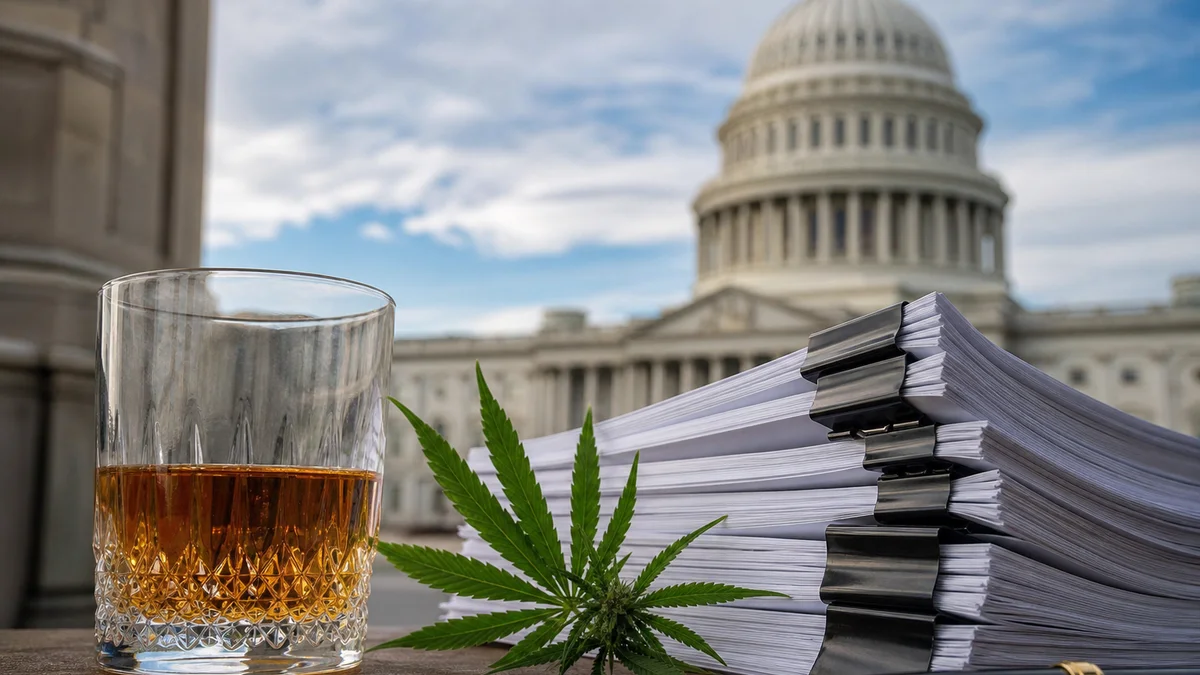
A top alcohol industry lobbyist is calling on cannabis companies to support federal regulation of intoxicating hemp drinks, arguing that opposing modest reforms in favor of comprehensive legalization repeats the same piecemeal mistakes the sector has long criticized.
Dawson Hobbs, representing the Wine & Spirits Wholesalers of America, wrote that the cannabis industry has "spent years asking Congress for something more durable than prohibition, enforcement discretion and state-by-state improvisation."
The plea comes as hemp-derived THC beverages have flooded the market following the 2018 Farm Bill, creating a regulatory gray area that has drawn scrutiny from both traditional cannabis operators and regulators. These products, which contain delta-8 THC and other hemp-derived cannabinoids, are sold in gas stations and convenience stores in states where marijuana remains illegal.
The Regulatory Gap
WSWA has pushed for federal oversight of intoxicating hemp products, a position that puts the alcohol industry in an unusual alliance with some cannabis advocates who view unregulated hemp drinks as undermining state-licensed marijuana markets. But Hobbs argues the cannabis sector's resistance to incremental hemp regulation undercuts its own policy goals.
"Opposing a workable regulatory structure because it is not comprehensive cannabis reform risks repeating the very piecemeal approach the cannabis sector has spent years criticizing," Hobbs wrote.
The alcohol industry's interest is not purely altruistic. Wine and spirits wholesalers see intoxicating hemp beverages as competitive products that should face similar regulatory scrutiny around labeling, potency limits, and age verification. The current legal limbo allows hemp drinks to operate with minimal oversight while competing directly with both alcohol and state-regulated cannabis products.
Industry Divisions
The debate has split the cannabis world. Licensed operators in states like California and Colorado have complained that hemp-derived products undercut their heavily regulated, heavily taxed businesses. Meanwhile, hemp producers argue their products are federally legal under the Farm Bill and that regulation should focus on safety standards rather than prohibition.
Congress has considered several approaches to the hemp intoxicant issue, from outright bans to regulatory frameworks similar to alcohol. The FDA has repeatedly said it lacks authority to regulate these products without congressional action, leaving states to craft their own rules.
Some cannabis trade groups have backed hemp regulation as a stopgap measure while pushing for broader marijuana legalization. Others worry that creating a separate regulatory pathway for hemp products could reduce pressure on lawmakers to address Schedule I cannabis.
What Happens Next
The hemp drink debate is likely to intensify as more states grapple with enforcement and as federal lawmakers face pressure to clarify the 2018 Farm Bill's implications. Several states have already moved to restrict or ban intoxicating hemp products, creating the same patchwork of rules that has complicated marijuana policy for decades.
Hobbs' op-ed suggests the alcohol industry sees an opportunity to shape hemp regulation in ways that protect its market share while positioning itself as a responsible stakeholder in cannabis policy debates. Whether cannabis companies will accept that framing remains an open question.
The next Farm Bill reauthorization, expected in 2024, could provide a vehicle for hemp regulation if Congress can agree on an approach that satisfies public health advocates, industry stakeholders, and legalization proponents.
This article is based on original reporting by www.marijuanamoment.net.